How Much Does it Cost to Have a Baby in Australia?

For new parents, the thought of having a child is not only emotional but also brings joy. But besides the excitement of becoming parents, the big question is the cost involved when having a baby. For many couples, the question of can we afford it starts as soon the pregnancy test turns positive. But what is the cost of having a baby in Australia?
While the total cost of giving birth in Australia is debatable, you can expect to spend A$14,000 for C-section and A$9,000 for normal birth.
The expenses will vary depending on whether you have a medical cover or not. If you are covered under Medicare and choose a public hospital, the cost will range from A$0 – A$1500.
The Journey to Having a Baby

The journey to having a baby starts with planning. The planning process is easy for couples who already have a child or children. However, it can be challenging for first-time parents, as they may not know where to.
Whether you are a new couple or already parenting, the question of expenditure when it comes to getting a baby is essential. This article will breakdown the planning process and explain the expected expenses in Australia. This way, you will have an idea of how much you can spend before you can hold your bundle of joy.
Cost of Pregnancy
The long journey to having a baby starts after conceiving. This is also where expenses start. If the couple has preexisting conditions, a checkup is essential to establish if it is the right time to have a baby. But for couples with no existing health problems, the expenses part starts as soon as they take the pregnancy test.
Pregnancy comes with a lot of joy. Many couples focus more on the excitement of having a baby and the anxiety of becoming parents. In most cases, couples forget about the expense involved. But should you be worried about the expected costs?
Pregnancy doesn’t cost much until the baby comes. However, there is a need to be prepared as the journey is not always smooth. Failing to plan means that some expenses may come as a surprise and pile up to the point of overwhelming the parents to be. Discussing and finding out the price of pregnancy is what pregnancy planning is all about.

Daily Cost of Pregnancy
During the pregnancy period, your body will change significantly. Besides the hormonal and emotional changes, there is also an increase in weight and size. This means you need a wardrobe makeover which does not come cheap. You need to invest in budget-friendly maternity wear as you will only be using the clothes for nine months. Have a budget for maternity wear to avoid surprises or overspending.
Antenatal Care Costs
During the pregnancy period, it is vital to go for maternity care clinic. As soon as you get positive results for a pregnancy test, you need to see your doctor or midwife for prenatal care. This is another expense. The charges for antenatal clinics in Australia can vary depending on where you seek the services. If you seek prenatal services from a government hospital, you will spend less or no money if you have Medicare health insurance. But without a Medicare cover, you will spend a substantial amount, which will be more if you visit a private clinic. These are expenses you need to be aware of before planning to have a baby. Having your Medicare cover ready before conceiving is vital.
Unexpected Pregnancy Expenses
Pregnancy comes with many unexpected costs. While many women pray to stay at work until a few days to deliver, it does not always work for everyone. Fatigue, pregnancy complications, among other issues, can mean you will stop working early. This can significantly affect your budget if you are a casual labourer. Therefore, it is crucial to have a side budget to prepare for the unexpected.
There are also other little but significant expenses that you may incur during your pregnancy. For instance, you may need vitamin supplements, pregnancy massage, osteopathy, yoga classes, and other services, depending on your pregnancy and individual needs. All these can amount to thousands of dollars. These unexpected expenses will vary from one mum to another, but it is essential to budget for them.

Baby Shopping and Preparation
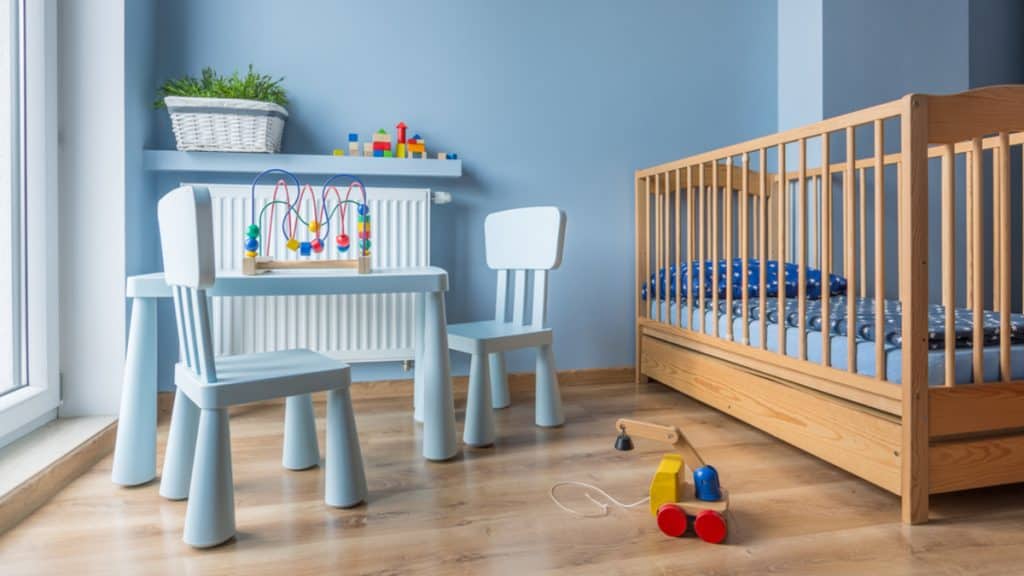
When planning for a baby, this is one area that couples rarely consider. It is a major expense, and it is crucial to set aside a reasonable budget. Baby shopping and preparation comes before delivery. This is where baby shopping comes in. Be sure to buy all clothing and other baby necessities such as a baby cot, decorations, toys, etc. The more you buy at this stage, the better because you will have it easy when the baby comes. You will not purchase under pressure.
Besides shopping, there is even more to do. If you are a working mum, you need to arrange for daycare services before the baby comes. If you live in an area where daycare services are in high demand, it is essential to book in advance at a fee. If you are shopping on a budget, consider the following tips;
- Only buy what is essential
- Shop around and compare prices
- Plan ahead and take advantage of flash sales
- Buy in bulk
- Consider second-hand items that are in good condition, for instance, baby cot
- Borrow items where you can
- Have a list of essentials – it will help you shop and give relatives and friends who wish to help
Delivery Charges
After carrying your baby for nine months, it is finally time to hold your bundle of joy. But before going for delivery, you need to make one critical decision. Do you want to go to a public hospital or a private hospital? Is giving birth at home an option you are considering? Your decision will determine how much you spend on the delivery day.

The Cost of Giving Birth at a Public Hospital
Up to 72% of women in Australia give birth in public hospitals. If you have Medicare health insurance, your pregnancy and birthing are covered, and your bill will range from $0-1500. This means that all your medical care needs while at the hospital aren’t charged. It may include ultrasounds, birth classes, blood tests, labour, and birth-related care. Also, you will not pay for your baby’s stay in the hospital after birth. However, if you choose to give birth in a public hospital but do not have a Medicare cover, you can expect to spend up to A$7000 for vaginal delivery and A$1400 for C-section.
While Medicare cards take care of almost all pregnancy and delivery charges in public hospitals, women who choose shared care – for instance, having ultrasounds in a private clinic will have to incur out of pocket expenses.
Below are some expenses you can expect with public hospitals:
- Medicare will cover all your pregnancy and hospital care bills. It also covers anycosts if your baby has complications.
- If you are in a rural area or shared care, some of your care during pregnancy will be with your general doctor. Some GPs will bulk bill, but when they do not, you have to pay the difference between what Medicare covers and their fees.
- You may incur some costs for tests and ultrasounds scans. However, Medicare can offset this.
- There are always charges for birth classes. The price will vary from hospital to hospital. Sometimes you have to pay some amount, and in other hospitals, you don’t.
- Always check with your doctor or midwife to know if there are any additional costs. This way, you avoid surprises.
If you choose a public hospital but still want some extra care or privacy, you can choose to be a private patient. In such a case, you have to pay costs for private care plus additional admission charges. Be sure to consult the hospital before taking this option to be sure you can afford the expenses. These extra costs are not covered by Medicare health insurance.

The Cost of Giving Birth at a Private Hospital
Approximately 30% of women in Australia give birth in private facilities. Depending on your location, if you have private health care insurance, the expense of birthing in a private hospital can be $2500 – $20000. This charge includes pregnancy care, private birthing, and postnatal care. However, if you do not have health insurance, giving birth in a private facility will set you back as much as $9000-$30 000 depending on your condition and the condition of your baby. It becomes even more expensive if your baby needs special care.
Before settling for a private hospital, it is advisable to talk to your insurer and obstetrician to know more about the costs. Think about all these before getting pregnant. This is because some pregnancy benefits have a waiting period, and you want to be sure you are covered before getting pregnant. In addition, when talking to your insurer, be sure to go for a cover that includes maternity care. With the right information, planning and making a decision will be easy.
Below are the expected costs in private hospitals:
- You pay your obstetrician. You can get your money back from Medicare.
- You pay your obstetrician to be present at birth. Some charge extra for care offered during pregnancy. You claim this money from your private health insurance or Medicare.
- You pay for the hospital stay. You can claim back this money from your private health insurance.
- You pay for all the tests and ultrasounds scans. Get money back from Medicare.
- Sometimes, you may pay for paediatrician services if you need an expert to check your baby. You can claim reimbursement from your private insurance and Medicare.
- In case of a C-section, you will pay the anaesthetics and claim the money from Medicare and private insurance.
- If you need to hire a doula, you will pay for the services.
- To be safe, ask for any other related costs from the hospital and discuss that with your insurer. This way, you avoid expensive and unseen expenses.
The Expense of Giving Birth at Home
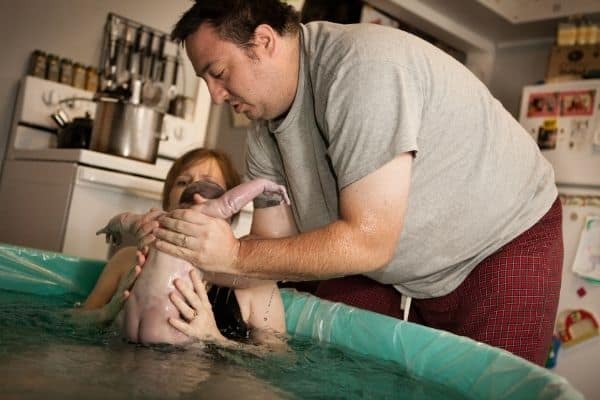
Less than 1% of women in Australia give birth at home. Giving birth at home comes with two options. You can either hire a midwife or through a home birth program. With homebirth programs, you can expect to spend $0 to $1500 if you have Medicare health care insurance.
If you choose to hire a midwife for homebirth care, you can expect to spend $3500 – $6000. This price includes prenatal care, labour, birth support, and postnatal clinics for 6 months.
For people with private health insurance, the cost of home birth is partly covered. You can claim the expense and probably get a medical expense rebate as part of your tax assessment. In addition, if you are working with a private midwife with a Medicare provider number, it is possible to get rebates for pregnancy care and after birth but not at delivery.
If you settle for a private midwife, be sure to check their fees and what is included in their package. For instance, it may include having a second midwife coming for delivery and hiring a birth pool. Lastly, since some hospitals offer Medicare-funded home delivery, you can expect to spend $0-$1500 depending on your location and availability of such service.
Costs associated with Medicare-funded homebirth include:
- Medicare covers fully or partially the cost of pregnancy care and home delivery.
- There are costs for ultrasounds and other tests. You can claim money back from Medicare.
- If you need birth classes, you will have to pay for that.
- If you need doula services, you will pay for this, depending on the doula’s experience.
- Ask your midwife about any other costs to be ready and to avoid unexpected expenses.
Importance of Planning Before Pregnancy

If you are planning to have a baby, it is vital to plan ahead. Many things can go wrong, and you can incur unexpected expenses anytime. Start by checking if your Medicare card is up to date. Also, if you are using a private cover, talk to your insurer and know what they cover and the different packages. Having a medical cover, whether government-issued or private, will help in lowering the birthing expense. Next, set a good budget for baby shopping as well as other unseen expenses. Lastly, decide your birthing place among the three main options in Australia.
Frequently Asked Questions
Is it free to have a baby in Australia?
Giving birth in Australia is not entirely free. It largely depends on the type of maternity care and birth setting that you choose. You can choose a public hospital, home birth, or a private hospital. The cost will vary in all the three options regardless of whether you have a medical cover or not.
What is the cost of having a baby in Australia without Medicare?
If you do not have Medicare cover, giving birth in Australian hospitals can be very expensive. Expect to pay around A$9000 for vaginal delivery and A$14000 for C-section.
What is the cost of having a baby in Australia with Medicare?
If you have a Medicare cover and deliver in a public hospital, expect to pay $0-$1500. In a private hospital, you can expect to pay $9000-$30 000 if you have no Medicare and no private health insurance.