Beauty Courses: How to Choose the Right One for Your Career (A Complete Guide)

Have you ever found yourself scrolling through beauty course options late at night, feeling more confused than when you started?
I’ve been there. Trust me.
One minute you’re excited about starting your beauty career, and the next minute you’re drowning in course names, certificates, diplomas, and price tags that make your head spin. Sound familiar?
Here’s the thing… the beauty industry today is massive. We’re not just talking about basic makeup anymore. There’s skincare, advanced cosmetic treatments, lash extensions, waxing, dermal therapies… honestly, the list goes on and on.
And with so many options out there, how do you actually pick the right beauty courses for you?
Don’t worry. I’m going to walk you through everything step by step – no jargon, no pressure, just real talk from someone who’s seen way too many people waste money on the wrong training.
Step 1: Get Really Clear on Your Career Goals
Before you even look at a single course brochure, grab a cuppa and ask yourself some honest questions.
- Do you want to work in a salon, a medical clinic, or travel to clients as a freelancer?
- Are you more excited about makeup artistry, or does skincare and advanced treatments light you up inside?
- Is your dream to eventually start your own beauty business?
There’s no right or wrong answer here. But knowing what you actually want will save you thousands of dollars and years of frustration.
Because here’s the truth – a course that’s perfect for one person could be totally wrong for another.
Step 2: Understand the Different Types of Beauty Courses
Not all training is the same. Let me break it down simply.
Beginner Courses
These are for you if you’re brand new to the beauty world. They cover the basics – think hygiene, simple techniques, client safety, and foundational skills. Perfect for testing the waters.
Certificate or Diploma Courses
This is where things get serious. These courses go deeper and are often required if you want to work professionally in salons or clinics. Employers like to see proper qualifications.
Advanced or Specialist Courses
Already working in beauty but want to level up? Specialist courses focus on one specific area (like dermal therapy, advanced facials, or cosmetic procedures). These are for experienced pros who want to stand out.
Choosing the right level means you won’t end up under-qualified (can’t get hired) or over-qualified (wasting time on stuff you already know).
Step 3: Check Accreditation – This One’s Non-Negotiable
Okay, listen carefully because this is where people get caught out.
Not every beauty course out there is actually recognised by the industry. You could spend months and thousands of dollars on a certificate that no salon will even look at.
So what should you look for?
- Nationally recognised qualifications
- Accreditation from relevant training authorities
- Courses that actually meet industry standards
If a course doesn’t have proper accreditation? Walk away. Even if it’s cheap. Even if it promises the world.
This matters even more if you plan to work in a regulated environment like a medical clinic or a high-end salon.
Step 4: Really Look at What You’ll Actually Learn
A good course isn’t just about pretty Instagram photos. It needs substance.
Here’s what a solid course should cover:
- Health and safety – non-negotiable in beauty
- Client consultation – how to talk to clients, understand their needs, and manage expectations
- Product knowledge – you’d be surprised how many courses skip this
- Hands-on training – because theory only gets you so far
A well-rounded course prepares you for real-world work, not just passing an exam.
Step 5: Hands-On Training Is Everything
Let me be honest with you.
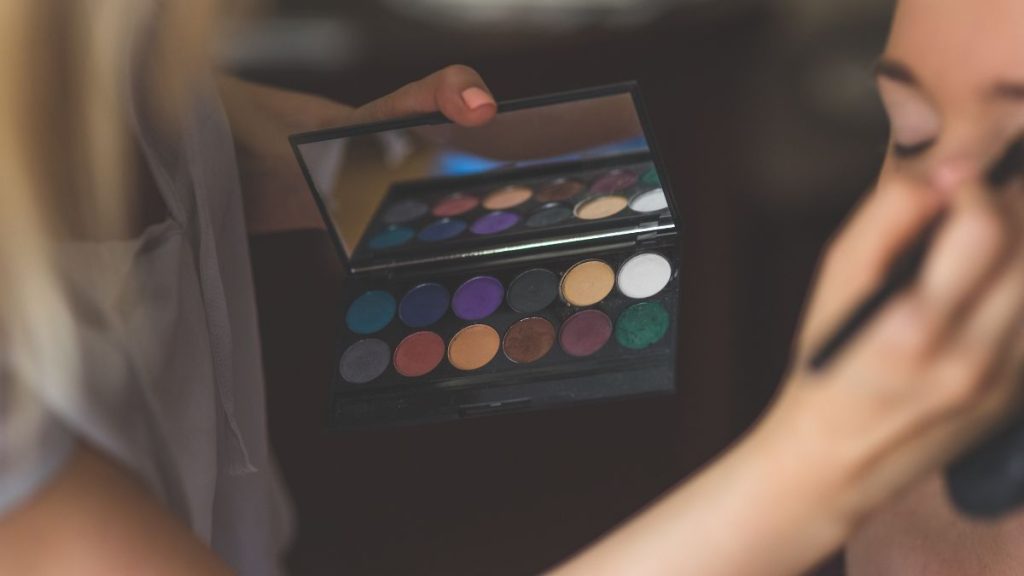
You can watch a hundred YouTube tutorials, read a thousand articles, and take endless online quizzes – but nothing prepares you like actually working on real people.
When you’re comparing courses, ask specifically:
- Will I practice on live models?
- Is there supervised training with feedback?
- Do I get to practise real-world scenarios?
The more hands-on experience you get during your course, the more confident you’ll feel on your very first day in a salon or clinic. And confidence? That’s what clients notice.
Step 6: Think About Your Schedule – Be Realistic With Yourself
Life’s busy. Maybe you’ve got kids, a part-time job, or other commitments. That’s okay.
The good news is that many training providers now offer different options:
- Full-time courses – get it done faster, but intense
- Part-time or evening classes – slower pace, easier to manage
- Online or blended learning – study from home, then come in for practical days
There’s no shame in taking a part-time course because you’ve got a family. The goal is to finish and start your career – not to burn out before you even begin.
Look for flexible beauty courses that actually fit your life, not the other way around.
Step 7: Visit the Facilities If You Can
Would you learn to drive in a broken car? Probably not.
Same goes for beauty training. The environment matters.
Before you enrol, check out:
- The quality of equipment and tools
- Whether facilities are clean and modern
- If you’ll have access to industry-standard products
Training in a realistic, professional setting means you won’t feel lost when you step into a real salon or clinic for the first time.
Step 8: Who’s Teaching You?
Your instructors can make or break your experience.
A good trainer doesn’t just read from a textbook. They’ve been in the industry. They’ve made mistakes. They’ve learned lessons. And they can share all of that with you.
Look for:
- Real industry experience (not just teaching experience)
- Relevant qualifications
- Positive feedback from past students
An experienced instructor will give you insights you’ll never find in a manual. That’s gold.
Step 9: What Happens After You Graduate?
This is something most people forget to ask – but it’s so important.
Some courses offer career support like:
- Job placement assistance
- Internship opportunities
- Resume and interview guidance
These services can help you actually land your first job instead of wandering around with a certificate and no idea what to do next.
When a school invests in your success after graduation, that’s a really good sign.
Step 10: Cost vs Value – Don’t Just Look at the Price Tag
I get it. Budget matters.
But here’s what I’ve learned from watching hundreds of students make this decision – the cheapest course is very rarely the best course.
Instead of just asking “how much?”, ask:
- What’s actually included in the course fee?
- What’s the quality of training and facilities like?
- Will this course help my career long-term?
Sometimes paying a bit more upfront means you actually finish the course feeling ready to work, instead of needing to retrain later because the cheap course skipped half the important stuff.

Final Thoughts
Look, choosing the right beauty courses really is one of the most important steps in building a career you actually love. And yeah, it can feel overwhelming at first. There are so many options, so many promises, so many price tags.
But if you focus on your own goals first – not what everyone else is doing – and then check accreditation, prioritise hands-on training, and choose a course that fits your real life… you’ll be just fine.
The beauty industry is full of opportunities for people who are properly trained and genuinely care about their clients. And that could be you.
So take your time. Ask questions. Visit a few places if you can. And when you find that course that feels right – the one with good trainers, proper facilities, and real hands-on practice – go for it. Your future self will thank you.