Planning to Buy an Electric Bike? Here’s What to Keep in Mind

Traditional bicycles have been in use for centuries, but even a simple transportation vehicle like the bicycle managed to use technology to its advantage. Electric bikes are relatively new and their user-base isn’t as big as traditional bikes, but they are rising in popularity and making some traction in many circles. If you’re unfamiliar with electric bikes, you should know that they offer the same benefits as their conventional counterpart, such as not needing a license or special registration, while helping you stay healthy. The real value of electric bikes can be easily seen in how efficiently they can cut long distances, in addition to climbing hills and battling strong wind resistance. Because a lot of people are unable to casually use traditional bikes due to health conditions like asthma or chronic leg-related pain, electric bikes are continually growing in popularity.
If you’re planning on buying an electric bike, here are some essentials you’ll want to keep in mind.
The Three Classes
Since electric bikes have higher power than their traditional counterpart, some regulatory modifications have led to the creation of different classes of electric bikes. The main point that defines an electric bike into a specific class is the level of motor assistance. This is where you’ll have to make a decision regarding the type of power and assistance you require out of your e-bike.
-
Class 1
Class 1 is the most common type of electric bike and they are also the cheapest. They are quite convenient from a regulatory standpoint because they require no special licenses, not to mention that they are universally accepted on traditional bicycle routes. The motor only provides assistance when you start pedaling and it stops at a maximum speed of 20 mph. You’ll find no trouble riding one of these in the busiest of cities. Not long ago, class 1 electric bikes have become permitted to ride in mountain-bike trails, but a few trails may still not allow it, so ask first.
-
Class 2
More often than not, class 2 electric bikes are still allowed in the same locations class 1s are allowed in; the reason being that the motor assistance clocks at a max of 20 mph. The main difference between the two classes is that class 2 provides an additional throttle-powered option that doesn’t require the rider to pedal to reach top speed.
-
Class 3
Class 3 is popular for serious riders, commuters, and errand runners. They are exceptionally more powerful than class 1 but they do still share similarities when it comes to motor assistance. While they can keep up with average traffic speeds, they are not usually allowed on regular bike paths or mountain trails. It’s worth mentioning that class 3 bikes can have throttles, but some states do not allow class 3 electric bikes to have throttles at all. So make sure you’re aware of the regulations of the states you’re going to be riding in.
Choosing a Retailer
There are three factors used to judge the best retailer option to buy your bike; vibe, quality, and commitment. Basing your decision on the vibe alone might be hasty, but it’s still an important factor to consider when you are choosing the best bike shop. Experienced bikers from E-Ride Solutions recommend picking a retailer that prioritizes customer satisfaction. This way, you will ensure that you are provided with any necessary assistance whenever needed. The second factor is quality. Picking high-quality e-rides is essential. The initial cost might be more than what you had in mind, but it will save you a lot of money in the long run as you will be spared expensive repair costs. The third and most important factor is commitment. Commitment here refers to the enthusiasm that the shop shows for electric bikes. Is the shop always available to customers? Are they knowledgeable when it comes to e-rides? Taking these factors into account will help you make the right decision that makes you happy with your bike retailer.
The Motor Location
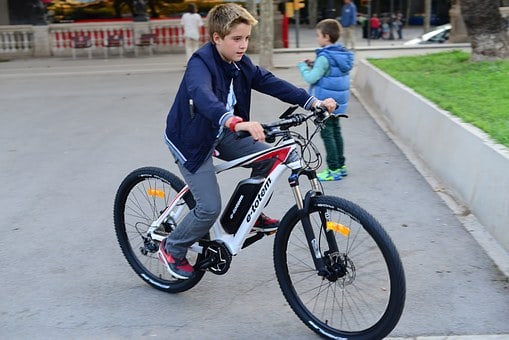
One of the few things that often get overlooked when buying an electric bike is the motor’s location in the bike’s body. There are 3 most popular motor locations that are chosen for different purposes.
-
Hub Motors
The hub used to be the most popular choice for the location of the motor because it required no altering of the frame, making it quite popular before manufacturers started creating frames specifically designed for electric bikes. The hub-motor is located right behind the rear wheel axle. It’s more convenient on flat roads and single-speed motors. The weight of the motor forces the bike to shift most of its weight to the back, which can impact its handling at higher speeds.
-
Mid-Drive Motors
The popularity of electric bikes surged enough to make manufacturers consider altering the frame of the bike to find a more convenient location for the motor. The motor is accommodated near the crankshaft, and these bikes are known as mid-drive or crank-drive. The motor’s energy output is transferred directly to the same chain that the user is pedaling as well. This motor location is highly efficient and it’s perfect for riders who carry heavy loads. The added weight isn’t felt as strongly as it would in the hub, which means that it barely impacts the handling or turning speed of the bike.
-
Friction Drive
Friction drive motors don’t often come with the electric bike itself, but they are sold as extensions or accessories separately. The motor uses a pretty primal yet effective way to power the electric bike; a roller attached to the motor is pressed against the tire. The battery is powered through the friction between the motor and the tire. Understandably, this doesn’t provide as much power as its counterparts, but it can effortlessly help you convert a traditional bike to an electric one.
Whether you used to ride traditional bikes all the time or still new to the whole thing, the many options available for electric bikes can be a bit overwhelming at times. Take your time to consider your needs carefully and look for the best thing within your budget. It doesn’t hurt to try testing electric bikes before you buy them; through renting or at the store.