5 Ways To Teach Your Child About Dental Care And Hygiene

Oral health is essential, especially to children. When you teach them the value of dental care at a young age, they’re more likely to develop good habits that they can bring with them as they grow older. With that, you should educate your children early about practising good oral hygiene.
While teaching your child proper oral care might be challenging, especially since their minds are more focused on fun and play, you should seek professional dental services to incorporate expert advice into their routine. Alongside these efforts, you should try to make oral care fun so that they won’t think of it only as a necessity but also a fun, brief activity they can do every day.
Moreover, listed below are some ways on how you can teach your child about dental care and hygiene:
1. Visit A Pediatric Dentist
Most children are afraid of going to the dentist, especially when they see the tools on the dental chair. To keep their fears away, it would be helpful if you could bring them to a children’s dentist who’s trained at helping your young ones feel comfortable. Seeing the fun decorations and plenty of other children around them will make them feel more at ease.
As you look for a pediatric dentist, you should first compare dentists & dental prices so you can ensure that you’re getting the best service for the best prices. Moreover, you should also check customer reviews about their services so you’ll have the peace of mind that your kids will have a great time while visiting the dentist.
Ideally, you should visit a kid’s dentist every six months so they can continue to check and observe what’s happening with your children’s oral health and provide any appropriate treatments necessary.
2. Do Things Together
Children usually mimic what their parents are doing. With that, you should lead by example by brushing and flossing your teeth with your children.
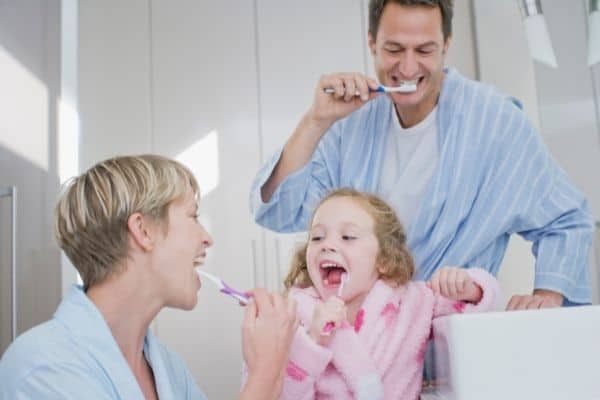
It would be fun if you could be in the bathroom together and allow them to stand on a stool so they can see themselves in the mirror. Let them put toothpaste on their toothbrush before brushing your teeth in front of the mirror together. You can coordinate your movements such as brushing up and down or reaching the sides of your mouth. Try to always put a smile on your face while you engage in this activity with your children.
Ideally, you should brush your teeth twice a day: once in the morning and again before hitting the hay. If your children are old enough to have proper control, you can also teach them to floss their teeth afterwards.
3. Read Books And Show Fun Videos
As you try to explain the importance of oral health to your kids, keep in mind that some children can learn better if you read them a book or show them fun videos. While it may be added work on your part, using these resources will help your kids digest the information they need to stay motivated to brush their teeth regularly.
You can look for age-appropriate books and videos that thoroughly discuss the importance of dental health and hygiene. Preferably, you should read or watch these resources first so you can ensure that it’s truly educational and will provide a good example for your children to follow.
4. Allow Them To Choose
Some kids find it boring to use regular toothbrushes and toothpaste, which won’t make them excited when it’s time to brush their teeth. As a result, they might consider skipping it altogether. To entice your children into brushing their teeth, you should give them the freedom to choose their own toothbrushes and toothpaste, as long as they’re appropriate for their age.
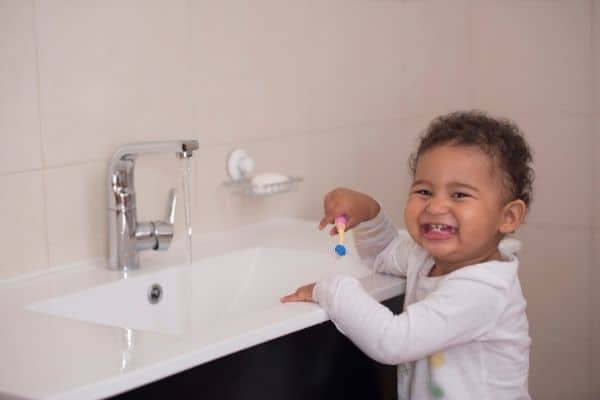
As your children pick their own tools for oral hygiene, you should also allow them to choose a timer with a fun design that they’ll want to use. Try to teach them that they should brush their teeth for at least two minutes. While keeping a clock handy would suffice, having a timer that’ll tell them when to stop would make things more enjoyable.
5. Do Science Experiments
Some children learn through visual presentations. No matter how much you teach your children using books, it would help to complement that by showing them what might happen to their teeth if they stop practising proper dental care and hygiene
To allow your children to see the results of eating plenty of sugary foods, not drinking enough water, and not brushing their teeth, you could do science experiments such as plaque attack. This way, they can visually observe the effects of poor oral habits on their teeth and be motivated to keep their teeth in the best condition.
Conclusion
Teaching your children oral health practices is highly important as it’s a daily activity that they need to do as they grow older. When you teach your kids early, they can develop good habits that will help them continue the routine without feeling tired or bored. Along with this, you should encourage fun activities to entice them into brushing their teeth regularly and avoid thinking of it as a dull thing they need to do.