These Plant Expert-Approved Tips Will Help You Grow Healthy Plants

Whether you intend to keep a garden in your backyard or grow ornamental plants to beautify your home, the most crucial task is keeping them alive and healthy. The actual work starts after planting, then you need to nurture the plants to maturity by providing optimal growth and development conditions devoid of disease and weeds competing for space and nutrients.
If you grow different plants, it is necessary to understand they have additional requirements for growth that must be provided, expert-approved, or they will experience stunted growth and possibly die off. To ensure your plants stay healthy long enough before maturity, be sure to provide them with enough care to prevent outbreaks of diseases and pest invasion.
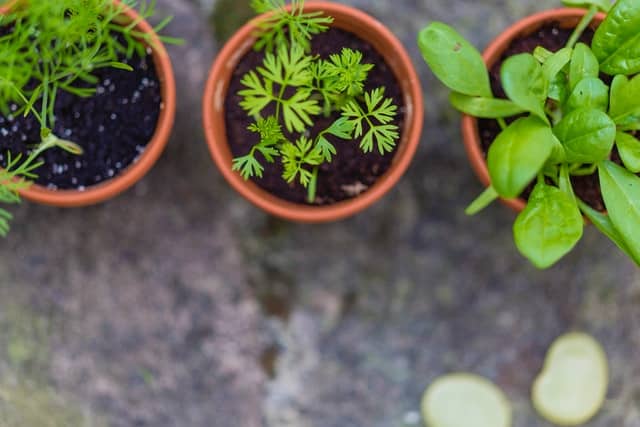
Rather than employ a professional gardener to tend your plants, we have compiled several tips approved by industry leaders to help your plants grow healthy, develop in optimal conditions, and blossom for a quality harvest.
Choose The Right Seedling
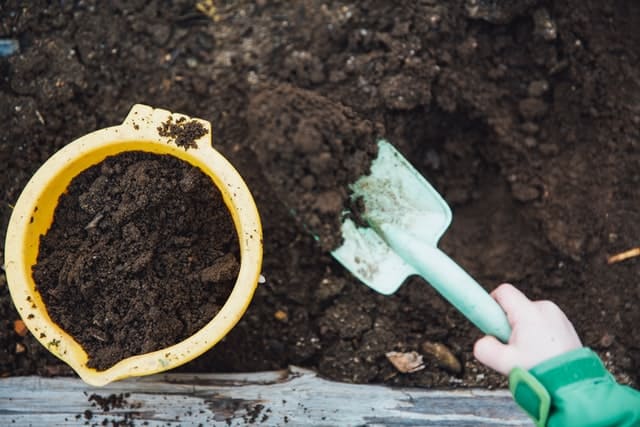
Having the right seedling in the soil is crucial to the survival of the seedling and determine how it grows to develop into a mature plant. According to professionals at www.urbanorganicyield.com, “The ideal seed mix needs to balance water retention and drainage and also supply your plants with the nutrients that they need to grow healthy before going out into your garden.” If you plant a seedling, make sure you dig deep from the soil’s surface to give the seed a higher chance of survival.
Another helpful tip is to adopt eggshells to grow fragile seedlings before transferring them into the garden. Disease-resistant seedlings are best if you are unsure of the soil condition and want to protect your plants from diseases.
Use Fully Composted Yard Waste
Aside from providing your plants with natural nutrients, thoroughly yard compost generates high enough heat to kill pathogens and other potential infections that might affect your plants.
Cold compost of organic materials gotten from wastes such as leaves, flowers, dead plants, and food scraps corralling them into a pile can add rich nutrients needed for healthy plant growth to the soil. Yard compost also prevents your plants from diseases.
Water Your Plants
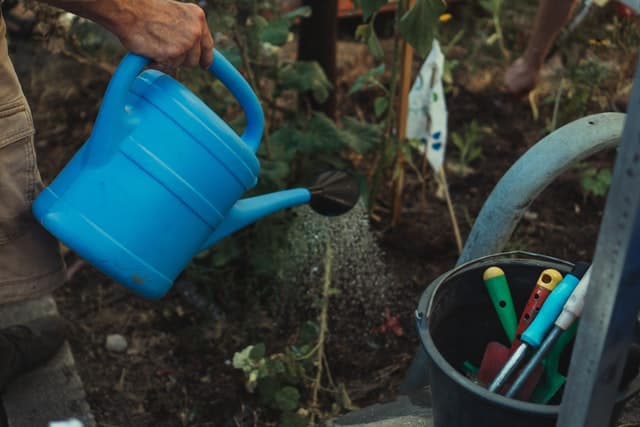
To avoid under/over-watering your plant, research the plants to determine the amount of water required by each plant for optimal growth. If you plant in a pot, ensure the pot has good drainage to let off excess water from the soil. To determine when to water your plant, stick a finger into the pot to check the soil’s moisture.
Rainwater is more planet-friendly because it contains more nutrients and does not contain chemicals found in tap water. Some plants are sensitive and react to these chemicals found in tap water.
Sterilize The Soil
To protect your plants and ensure they grow healthy, ensure to sterilize your soil to prevent plant infections by soil-borne pathogens like viruses, bacteria, weeds, and bugs. Whether out in the garden or indoor plants pot, unsterilized soil can harm sensitive plants and ruin their germination process.
There are several methods to sterilize your soil. Still, the most effective ones include exposing the soil to direct sunlight, applying ‘expert-approved’ chemicals to the earth, and heating the soil in a microwave oven. These processes all help to eliminate harmful organisms and pathogens from the earth.
Apply Fertilizer When Required
Just as with watering your plants, fertilizer application should be out of necessity rather than a routine. When you apply too much fertilizer to the soil, it can cause severe damage to the plant when it’s not required.
The best approach is to feed the plant with a paltry amount of fertilizer as it grows to complement the soil’s nutrients. In most cases, consider the type of plants, volume of the earth, and intensity of light before applying boosters to the plants.
When the light intensity is high, plants require large amounts of fertilizer and vice versa.
Watch Your Plants
Just like little kids, plants require a lot of care and attention to ensure they grow up in the best condition to stay healthy. Dedicate time examining your plants daily to spot any deficiencies and correct them immediately to avoid the spread of infections to nearby plants.
Give enough space between the plants to make room for close inspection and improved airflow, which is a critical factor in creating their humidity.
Grooming a nursery or a garden is a tedious task, but if you want to avoid waste of effort, it is pertinent to adhere to these tested and approved tips to ensure your plants are in top condition all season long.