Denture Decisions: 5 Things To Consider

Oral health can affect a person’s mental and overall health, which is why more and more people choose to get dentures. Statistics show that about 23 million of the world’s population have full dentures while 12 million have partial dentures.
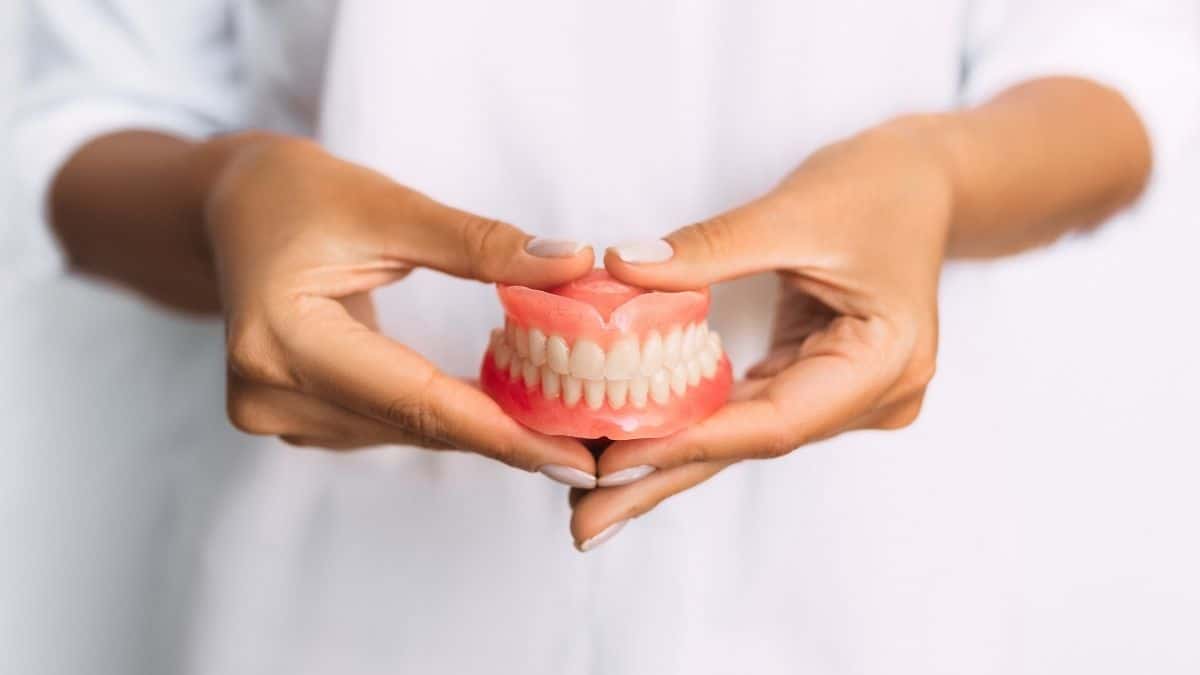
Dentures are advanced prosthetic devices used to replace missing teeth and their surrounding tissues. Dentures are removable, which means you can take them out and put them back into your mouth. Although they don’t feel the same as your natural teeth, their appearance looks natural, and wearing them will feel more comfortable over time.
If you’re planning to get dentures soon, consider the following things first:
1. The Number Of Teeth That Needs Replacing
Dentures come in two types: full and partial. Full or complete dentures are used when all of your teeth are missing while partial dentures are recommended if you still have some natural teeth in your mouth.
Choosing a denture should be on top of your to-do list. Visit a dentist as they can carefully assess how many natural, healthy teeth are there in your mouth and how many should be replaced with a denture. This information will help you determine if you need full or partial dentures.
2. Preliminary Appointments
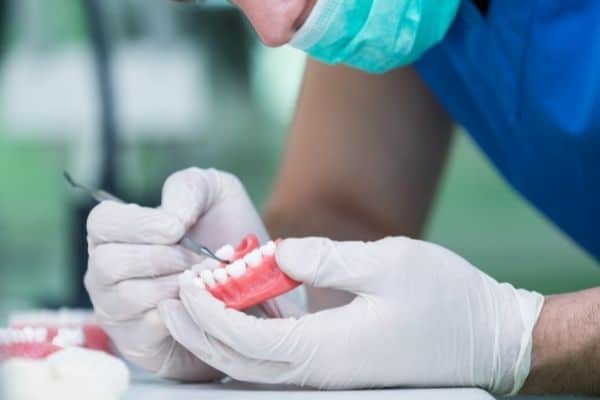
Getting dentures won’t only cost money from your pocket—the entire process will also require a lot of your time. Before getting dentures installed, you need to visit your dentist several times as they’ll look into your mouth to determine if you have enough tissues to hold the dentures.
Before the dentist installs your dentures, you need to make around four to five visits to their clinic. However, there will be instances when you need to visit your dentist more than five times, especially if they found out problems in your mouth. For instance, they might need to remove some of your teeth or look for other solutions if your mouth has too little tissue left.
Check your appointment if you can meet this requirement. After installing the dentures, you might also need to visit your dentists to check for any pain caused by the device.
3. Adjustment
Because a new device is installed in your mouth, expect that wearing dentures will cause a lot of pain and discomfort in the first few weeks. Dentures can cause soreness and irritation in your mouth, preventing you from speaking and eating properly.
Aside from these, dentures can also increase the saliva production in your mouth, resulting in skin infections and chapped lips. In worse cases, hypersalivation due to new dentures can also trigger social anxiety and diminish your self-confidence.
Although the pain and discomfort of getting dentures will only last for a few weeks, it’s important to prepare for the worst. Being equipped with this information will allow you to make changes to your daily routine and find solutions on how you can alleviate any discomfort.
4. Proper Practice Of Chewing
Wearing dentures will require you to change how you chew foods. Yes, this can be challenging, but it’s essential to ensure that your dentures don’t fall off or get damaged.
In general, you’ll need to spend about four to eight weeks to practice chewing food with your dentures on. During this time, you’ll be advised to consume soft and easy-to-chew foods such as cereals, yogurt, mashed vegetables, and broth.
It’s also important to practice chewing food on both sides of your mouth to ensure that your dentures remain stable. Strive to place and chew food between the teeth located in the corners of your mouth, not on the front of your teeth. Using your front teeth when chewing will only cause your dentures to get unstable as they’d rise from behind.
5. Regular Cleaning
Cleaning your dentures is a must when you have one installed. Dirty dentures can cause biofilm (complex microbial communities) to build up, which can eventually cause respiratory problems and heart diseases.
Before getting dentures, assess if you’re ready to clean them at least twice daily. Every after meal, you should remove any food residue and brush your dentures with a soft-bristle toothbrush and cleaning paste. In the evening, you need to soak your dentures to keep them in shape.
Consider Several Factors To Make Sound Decisions
Although getting dentures can improve your smile and the quality of your life, it’s crucial to consider the things mentioned in this article first. These will help manage your expectations, so you’ll know exactly what you’re going into once you get dentures.
It’s also important to consult a dentist before you decide to get dentures. Their professional assessment will give you a better sense of whether dentures are ideal for you.