5 Easy Ways To Unclog Drains

Indoor plumbing is probably one of humanity’s greatest inventions. It’s a convenience that not a lot of people would give up. However, similar to other areas of your home, they will experience wear and tear, and issues arise after some time.
For your indoor plumbing to continue giving you its benefits, you should know how to take care of it. Otherwise, you’d have to contend with one of the most unpleasant tasks a person faces in the modern era: unclogging a backed-up drain. All plumbing fixtures in your home could become clogged. Your sink, shower, and bathtub drain can all become clogged for one reason or another. Luckily, there are ways to unclog your drains without destroying your pipes.
Unclogging Drains The Easy Way
There are warning signs that you shouldn’t ignore—the sink taking an uncommonly long time to drain, water pooling on the bathroom floor, and, of course, the unpleasant smell. The smell of a clogged drain is one you wouldn’t want to experience. So, watch out for these tell-tale signs. Blocked drains damage your home and pose health risks to you and your family.
Good things may come to those who stand and wait, but this old chestnut doesn’t apply to clogged drains. You’d want to deal with them as quickly as possible. If your blocked drain reached a point where you dread coming near it, it’s probably time to call on the professionals and avail yourself of the services of a plumbing company. Meanwhile, here are a few easy ways to unclog your drain:
1. Using Wire Hanger
Many things can clog your drain—food particles, hair, dirt, FOG (fat, oil, and grease), and other nasty things. These materials can accumulate gradually in your pipes and eventually clog them. While a caustic chemical available commercially would probably do the job, you also run the risk of destroying your pipes. Before going on a scorched-earth approach, use materials that would do the job safely and effectively—like a wire hanger.
Get an old wire hanger from your closet, straighten it out, and shape it so that there’s a little hook at the end. Dip this hook in the drain and feel your way down gingerly. Don’t push the end too hard, or you’ll risk pushing the blockage further down. Fish the blockage out by prodding carefully. Use the hook you’ve fashioned to remove whatever gunk was blocking your drain.
2. Using Baking Soda And Vinegar
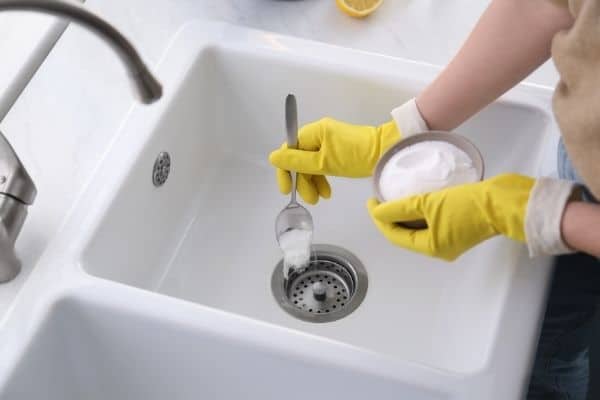
That’s right—baking soda and vinegar isn’t just a primary school volcano project. These two can be used to clear minor bathroom sink clogs.
Start by emptying the sink or tub and take as much liquid out as possible. Prepare about one-fourth cup of baking soda and pour it down the drain. Next, grab a cup of vinegar and add the liquid slowly. If you pour it too fast, the vinegar’s bubbles will overflow out of the drain. Wait for the mixture to settle. After about 15 minutes, pour hot water down the drain to flush the mixture.
3. Cleaning the P-Trap
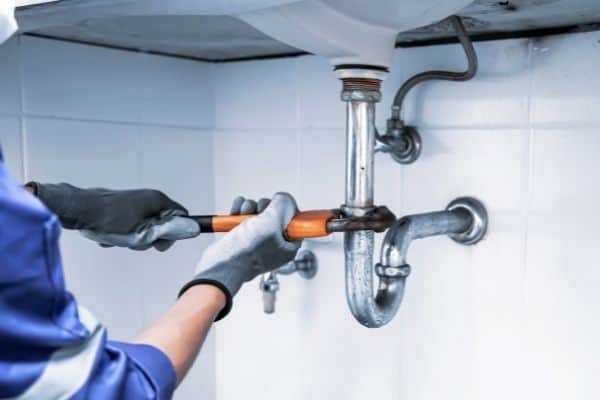
You can find the P-Trap under the sink—it’s the curved pipe named after the 16th letter of the alphabet. The pipe is designed to catch debris from the sink. You’d likely find it inside the P-Trap if you drop something, like a ring, onto your sink.
If the blockage proves to be too tough for the baking soda and vinegar, you can physically remove the P-Trap yourself. Removing the P-Trap will be a piece of cake; you can probably remove the PVC nuts by hand. But if you have tools like an adjustable wrench or a pair of pliers, you can use those instead. Just don’t forget to place a bucket under your clogged sink first. Empty the P-Trap’s content and rinse the pipe to clear the blockage. Then, reinstall the pipe in its proper place.
4. Using Plungers
You can also use plungers—but not just any plunger. Your regular toilet plunger probably won’t cut it. What you want is something smaller. A cup plunger designed for smaller drains will do the job nicely.
First, unscrew and remove the stopper or grate on your drain. Apply the plunger and try to create the tightest seal you can. You can apply petroleum jelly to your plunger’s rim to help create a tight seal. When the seal is tight enough, use the plunger steadily until the blockage is removed.
5. Using Wet And Dry Vacuum
As the name suggests, this type of vacuum cleans dry dirt and liquids. This appliance is also used to vacuum out debris from clogged drains. Before starting your unclogging task, you should first make sure to prevent making a mess by creating a seal over the plughole. You can cover the hole by placing an old plunger over it.
Put the appliance on the liquid setting. Place the vacuum over the plughole and use the strongest suction available. Turn your vacuum on and check after a couple of minutes. Run some water to see if the blockage has been removed.
Conclusion
Clogged drains are an unpleasant aspect of modern living. Everybody has to deal with it one way or another. Luckily, there are a few easy ways to unclog a drain that you can try, like the ones listed here. However, if the clog is proving to be stubborn, calling for professional help is necessary. Keep in mind that clogged drains aren’t only inconvenient, but they can also pose health risks for you and your family.