5 Common Mistakes Montessori Newbies Need To Avoid

Having a baby is one of the most magical things in the world. As you work hard to provide for them, you also need to ensure that they grow up to be the best person who is smart, kind, and loving. All of that can happen with the right parenting style.
Choosing the right parenting method can be tricky as they have various effects on your child. However, one parenting method is getting more popular as it helps to promote independence and allows a child to be street smart, and that’s called the Montessori approach. This can also help you learn how to prepare for Pre-kindergarten as it helps your child to be more independent, allowing them to learn better and making you feel confident that your child can handle themselves. However, implementing the Montessori method can be tricky as it’s a different parenting method. To help you out, listed below are some common mistakes that Montessori newbies tend to make:
1. Over-Buying Montessori Toys
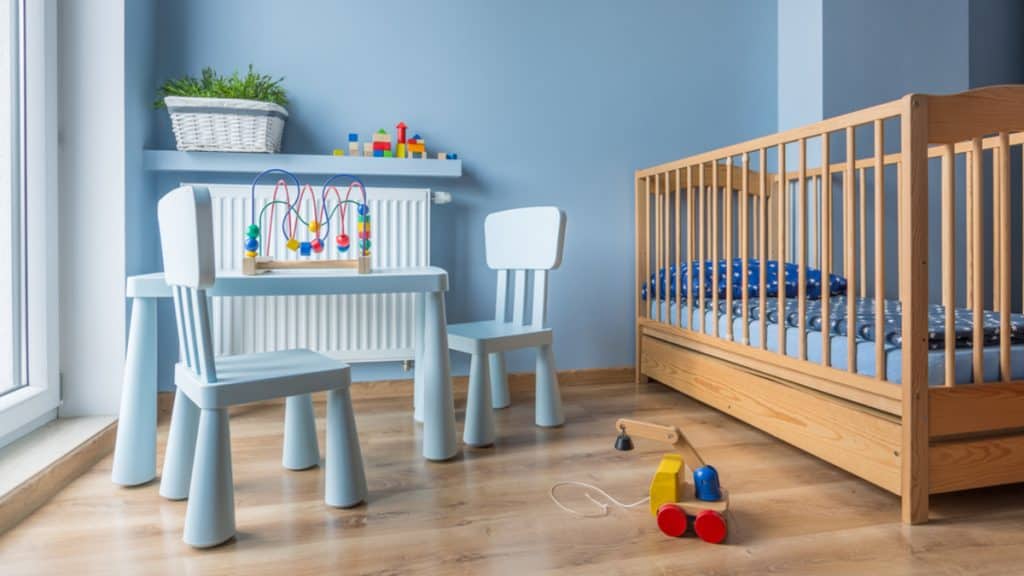
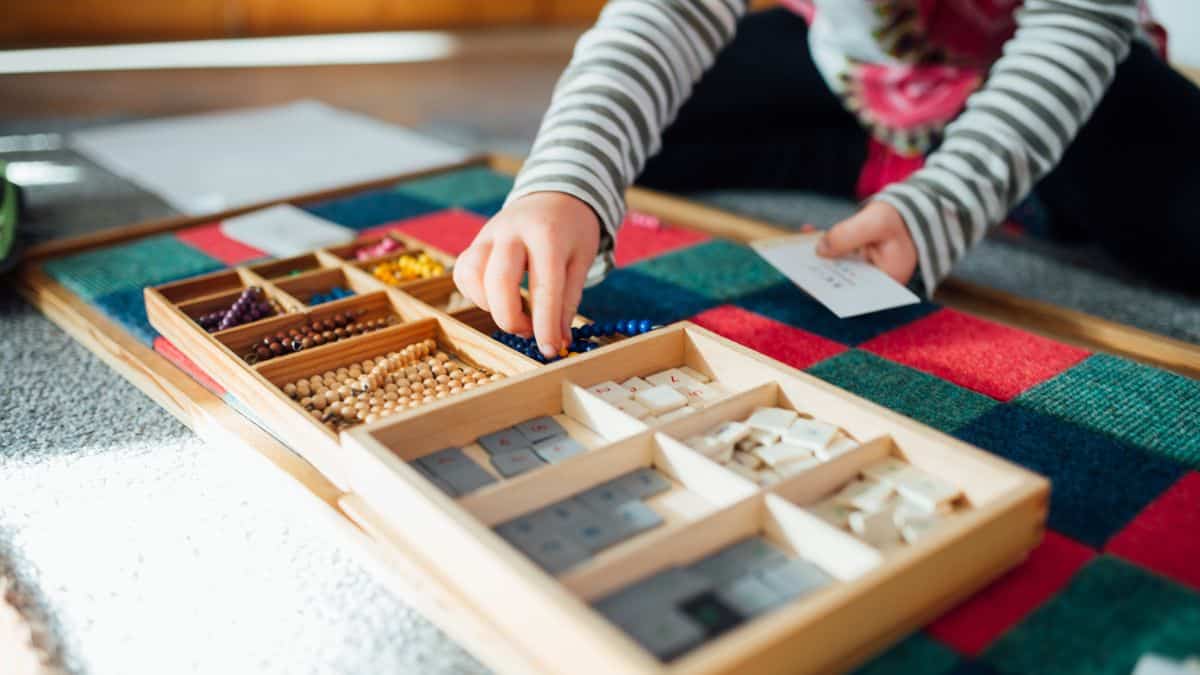
Montessori toys are popular for using wood products as the texture helps children to be more familiar with a rougher surface and keeps them away from the smoothness of plastic. Moreover, it avoids toys that use batteries to produce sounds or any other mechanical movement. It encourages the child to discover how one makes a sound and how they should be able to play with it.
Since Montessori toys help a child develop curiosity and creativity as they learn endless ways to play with their toy, some parents might be too happy about purchasing every single one for their child. Even if it helps to boost creativity, it’s still important to limit toy exposure to at least three to five toys at the same time to help them focus and avoid getting sick of playing with them repeatedly.

2. Buy Toys That Aren’t With Your Child’s Interest
Montessori is about understanding your child’s interests and further helping them enhance that. But, if you keep buying toys that are just right for their age but aren’t something they recently showed interest in, it wouldn’t help them learn the process, but instead would try to incorporate their habits into their new toy.
Some children seek mobility, while some enjoy enhancing their creativity using blocks. As you observe your child’s interest, purchase a toy that aligns with that and further nurtures what they want. This way, they can be more curious about the process and hopefully improve their skills further.
3. Overthinking Child’s Activity
Some parents might think the Montessori approach is difficult as it involves plenty of activities for your children. While yes, you need to help motivate and encourage them to learn independence constantly, it doesn’t mean you have to think of complex activities all the time. Simple exercises can suffice for your child.
There are plenty of simple activities that you could try. You could ask them to sort the colours of the popsicle sticks, pour and scoop sand, wash the window, and much more. It might look too simple for you, but it’s entertaining for your children, keeping them occupied.
4. Letting Boredom Hit Your Child
It’s important to let your child be bored to help enhance their imagination to think of new creative ways to start the day. However, one thing you must never do is to let your child be bored with their Montessori materials. This can happen if they’ve been playing with their toys for quite a while and it no longer matches their age.
To help your child gain curiosity and imagination, you should update their Montessori toys that are appropriate for their age. This should help keep them engaged and motivated to play with them all the time.
5. Not Letting Your Child Work In The Kitchen
Yes, it can be scary to see your child work in the kitchen, especially when sharp objects are easily available. However, your children need to learn independence and protect themselves from harmful conditions. But don’t worry, as you won’t be directly exposing your child to sharp knives but instead giving them their own tools and utensils.

To let your child work in the kitchen, you should give them their own tools that they can easily hold and use. You can use plastic knives instead of the regular steel, their own utensils and plates, a small jug and cup, and more. You can even assign your kids some small kitchen tasks, such as spreading peanut butter on bread or mixing eggs in the bowl. It’ll be a great and fun activity that your kids will enjoy while also learning independence at home.
Takeaway
Implementing the Montessori approach can be tricky, especially since there are plenty of dos and don’ts that you need to follow. But learning from the common mistakes, such as over-buying toys or letting your child get bored with them, would be a great start to keep you right on track. While the process might be something unusual and you’re not used to, it’ll be something that’ll truly benefit your child’s development.