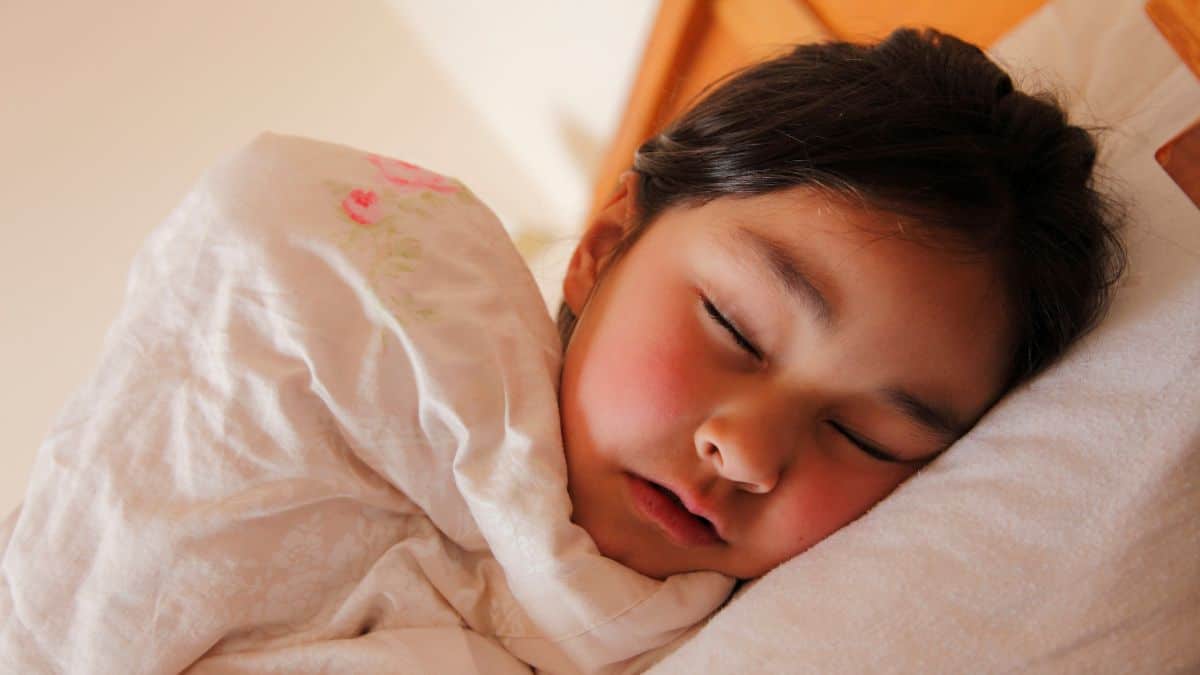
Tips On How To Take Care Of Your Child When They Are Sick

Experiencing your child’s illness is a hard and upsetting ordeal. You may be debating whether or not to make a doctor’s appointment as your child struggles to relieve discomfort and manage pain. There are a variety of things that you can do to make your ill child more comfortable and speed up their road to recovery if you find yourself caring for an ailing youngster at home.
Home Treatment For Your Sick Child
Give Medications Carefully
You can give your child a medicine you are comfortable, under your doctor’s advice, with if they have a fever or a common infection. Make sure you verify the dosage and always consult your doctor if you have any concerns. If you are unsure about medication and antibiotics, including those prescribed by your doctor, it’s important to discuss your concerns openly with your health practitioner. Side effects such as stomachache or skin reactions can be quite common. There can be ulcerative colitis antibiotics to avoid as some could lead to later inflammatory bowel disease.
Filtration And Circulation Of Fresh Air
Your child’s room needs to have constant air circulation. To prevent the spread of germs and bacteria, it is important to air out the room and replace soiled linens frequently. Your child can benefit even more from a new environment in which to play. Fresh air circulation keeps pollen-causing allergies away.

Gargling With Hot Water
One must first ensure that the person’s emotional and energy needs are met to solve a problem. If your child’s ailment is not life-threatening, you should be able to deal with it at home. Make sure your kid gargles with warm water if they have a cold and cough. Warm salt water gargling is a great way to relieve your child’s sore throat and get some air into their lungs. When necessary, use a nasal spray or a saline solution you prepare at home in conjunction with this.
Feeding A Sick Child
Easily Absorbed Nutrients
When caring for a sick infant or toddler, the body expends a lot of energy trying to fight off an illness—because of this, maintaining a healthy diet throughout the sickness is crucial for providing the body with the nutrients it needs to fight off the disease. When your child is sick, they probably won’t feel like eating a full meal. Illness or a lack of desire to eat could be to blame. The foods are too hard for your toddler to swallow. Prepare foods that are simple to prepare and digest instead of more complex dishes at this time. Simple foods like mashed potatoes, cereal, toast, biscuits, etc., can help digestion and give necessary nutrients.
Provide A Cozy Environment For Your Kid
Temperature Regulation
It is important to restore the child’s sense of safety and security as soon as possible after the illness has disrupted their lives. Depending on the weather, your child may find the indoor and outdoor temperatures too low. Use space heaters to restore equilibrium, or cover your kid in a blanket or sweatshirt to reawaken a sense of comfort. If your kid is overheated, try turning on a little fan to cool him down.
Keep The Ambiance Calm
Illness can cause your child to seek solitude and quiet, so external interruptions or diversions can be quite unsettling. Get the TV and video games out of the room so they can unwind peacefully. If the outside noise is too bothersome, shut the windows. Ensure your child knows they have your emotional support before making medical decisions. To keep your baby entertained, spend quality time with them while singing to them. Cuddle and sleep with your child, even if they are a preteen, by talking to them, reading to them, or even holding them.
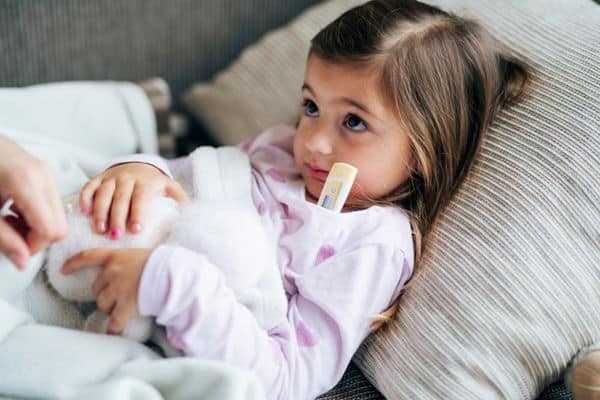
If a child is afraid of needles or the doctor for any other reason, they are likely to avoid going to the hospital. High fever, sweating, and general discomfort are all signs that the infection is progressing beyond your control and that they need medical assistance. Headaches, fever, a runny nose, and cough are all classic flu symptoms that will be treated promptly by the doctor to lessen the severity of the illness. The doctor should be seen immediately if the patient exhibits the following symptoms: high body temperature, difficulty breathing, bleeding, continuous sobbing, vomiting, or severe pain. You should act immediately if you see any of these signs in your child.