
14 Vital Things You Should Know About Your Child’s Oral Health

It’s never too early to start thinking about your child’s oral health! In fact, the sooner you start taking care of their teeth and gums, the better. There are a few things that all parents should be aware of when it comes to their child’s oral health. In this blog post, we will discuss some of the most important things that you need to know. Keep reading for more information!
Related Article: Why Is Dental Hygiene Even More Important After Giving Birth
1. Your child’s oral health is important for their overall health
Since your child’s oral health has a big impact on their overall health, it is important to be aware of the best practices for keeping their teeth and gums healthy. This includes brushing twice a day with fluoride toothpaste, flossing daily, and visiting the dentist every 6 months or as recommended by your child’s doctor.
2. Poor oral health can lead to more serious conditions
Poor oral hygiene can lead to gum disease, tooth decay, and other serious dental issues that can affect your child’s overall health. To prevent this from happening, it is important that parents make sure their children practice good oral hygiene habits such as brushing twice a day, flossing daily, and visiting the dentist every six months.
3. Sugary drinks can damage your child’s teeth
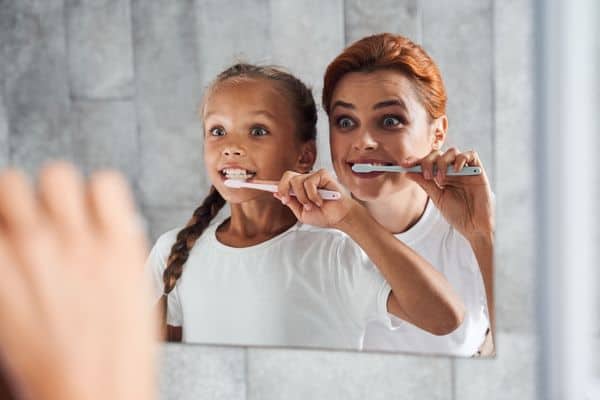
One of the most important things to be aware of when it comes to your child’s oral health is that sugary drinks are a major contributor to tooth decay. To prevent this, it is important to limit sugary drinks and encourage your child to drink plenty of water instead.
4. Early dental visits are key
For establishing good oral hygiene habits in your child from an early age, early dental visits are key. It is recommended that parents take their children for a checkup as soon as their first tooth appears, or by their first birthday at the latest. However, have in mind that 35% of toddlers experience tooth trauma when they go to a dentist for the first time. That’s why it is important to ensure the child is comfortable and relaxed during the visit.
5. Dental sealants
Dental sealants are paper-thin invisible protective coatings that are directly applied to the chewing surfaces of the back teeth in order to protect them from decay. This is especially important for children, as they often struggle to brush their back teeth properly and may be more prone to cavities. Sealants are an easy and affordable way to ensure your child is getting the dental protection they need.
6. Regular check-ups are essential
Even for those who brush and floss like a pro, kids should always attend regular check-ups with a dentist. This will ensure any issues are spotted and treated early before they can cause more serious problems. Your dentist can also provide advice on how to improve your child’s oral hygiene routine.
7. It’s never too early to start dental hygiene
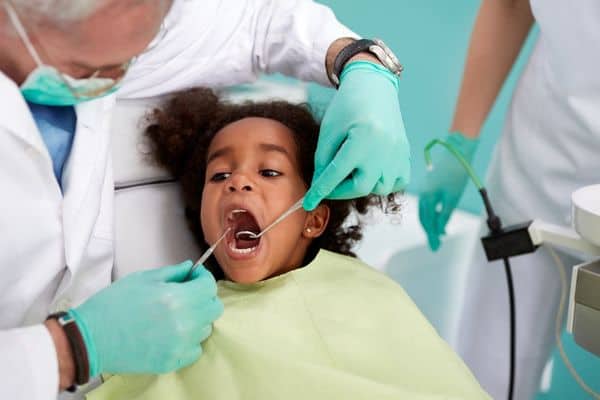
Good oral hygiene habits should be taught from a young age, so don’t wait until your child is older before you start teaching them how to brush and floss properly. Many children are already wearing braces by the time they reach adolescence, so it’s never too early to start looking after their teeth.
8. Healthy snacks are important
It’s not just brushing and flossing that can help keep your child’s teeth healthy – what they eat also plays a major role. Sugary snacks should be avoided and replaced with nutrient-rich foods such as fruits, vegetables, dairy products, and whole grains. This will help ensure your child’s teeth remain strong and healthy.
9. Don’t forget about your child’s tongue
It’s also important to remember that the tongue should be brushed and cleaned as part of your child’s regular oral hygiene routine. Bacteria can build up on the tongue, leading to bad breath and other dental issues. Make sure you regularly clean your child’s tongue with a tongue scraper or soft brush.
10. Orthodontic treatment may be necessary
Some children require additional dental treatments to correct crooked, overcrowded, or misaligned teeth. Orthodontic treatment can include braces, retainers, and other devices, which all help to gently move the teeth into the correct position. If you think your child may need braces or some sort of orthodontic treatment, make sure to speak to your dentist.
11. Baby teeth are important, too
You may be tempted to ignore your child’s baby teeth because they’ll eventually fall out anyway. However, it’s still important to take proper care of them – decay in baby teeth can cause cavities and infection, increase your child’s risk of cavities in their adult teeth, and lead to speech problems. Brushing twice a day and visiting the dentist regularly are just as important for baby teeth as they are for adult teeth.
12. Protecting your child’s gums
Gum health is just as important as tooth health, so be sure to take good care of your child’s gums. Make sure they brush their teeth gently and correctly, floss regularly, and don’t forget to have them drink plenty of water throughout the day. If you notice any signs of gum disease – such as redness, swelling, or bleeding – be sure to talk to your dentist right away.
13. Encouraging good habits
Good oral hygiene is an important habit that needs to be instilled early on in life. Make brushing and flossing more fun by talking about how it helps keep their teeth healthy and strong. You can also make it a fun activity by brushing together as a family and playing songs or games to make the process more enjoyable.
14. Bad habits can damage oral health
It’s important to keep an eye out for any bad habits that may be forming in your child, such as thumb sucking, nail biting, or teeth grinding. These habits can lead to serious problems, such as misaligned teeth and jaw pain, so it’s best to nip them in the bud. Talk to your dentist about how you can help your child break these bad habits.
These are just some considerations about your kids’ oral health. Proper oral hygiene is essential for your child’s overall health and development, so be sure to take the necessary steps to keep their teeth and gums healthy. Don’t hesitate to contact your dentist if you have any questions or concerns about your child’s dental health.