The Importance of Inclusive Playgrounds in Neighbourhoods

Playground equipment in parks typically includes the more familiar slides, monkey bars, swing sets, and seesaws. However, most playgrounds limit access based on a child’s age or physical capabilities. Sadly, not everyone in a community can benefit from playgrounds because of physical constraints.
Notably, the limited design of the equipment is leaving behind children with disabilities – those whose health can benefit from outdoor recreation. That said, it’s crucial to tackle the significance of inclusive playground designs for everyone, regardless of age and physical and mental conditions.
Inclusive Play
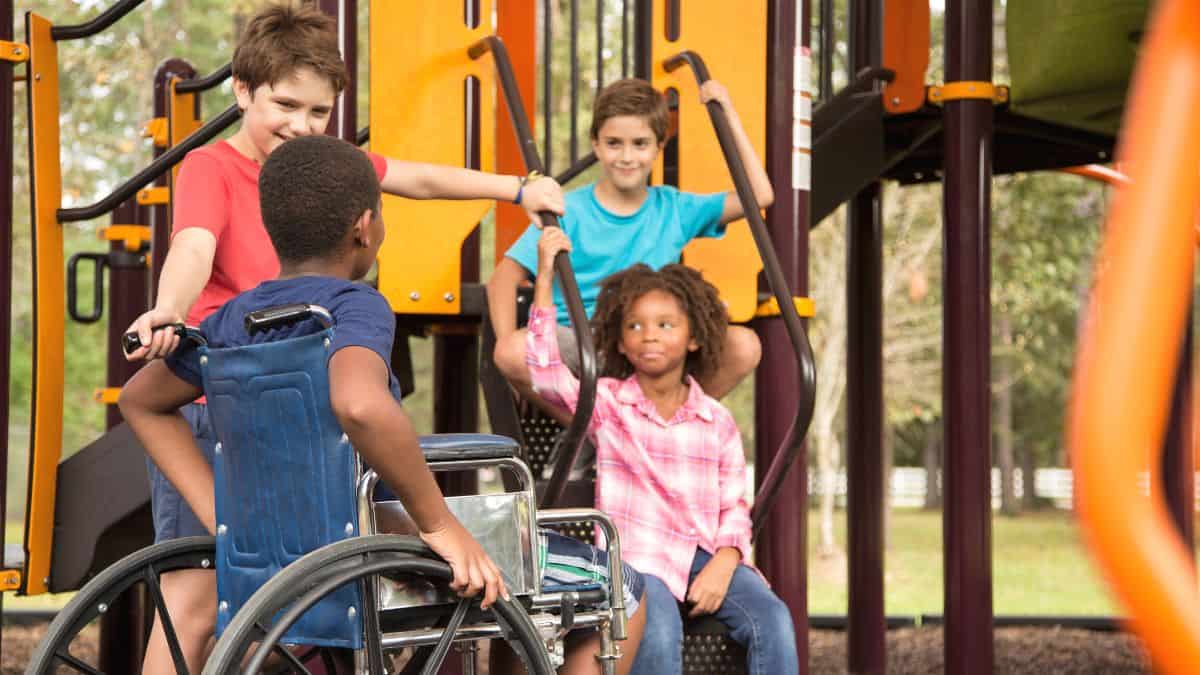
Every child should be given the opportunity to play because it’s essential for their development. When kids of varying physical abilities can use the same playground equipment, they have more chances to socialize and have fun with their peers. Children of all abilities are encouraged to play together on inclusive playgrounds by providing a diverse range of play structures and equipment. Consequently, landscape architects must pay attention and learn how to design inclusive playground equipment that children of all abilities can enjoy.
Inclusive play fosters the well-being and happiness of the child. Remember that wheelchair accessibility for children involves more than just installing ramps at entrances and exits. It’s critical to provide a setting where kids with physical and mental disabilities have the same opportunity to develop their motor skills and problem-solving capabilities.
Furthermore, for children to thrive, they need opportunities to engage in imaginative physical activities within their present range of skills. Some individuals don’t have the physical ability to climb ladders or play tag, but children of varying abilities can benefit from structured activities like coloring books and puzzles and more open-ended pursuits like drawing and constructing models.
Why Design Inclusive Playgrounds
According to the Australia Bureau of Statistics, there are currently 350,000 children living with different disabilities. Many of them can benefit from inclusive playgrounds that are accessible to all and can enhance their quality of life. An inclusive playground will need additional work and planning, but it will be worthwhile to witness children of varying abilities benefit from specialized playground equipment. On that premise, here are more reasons to build inclusive playgrounds in every neighborhood.
- Promote Diversity
One in ten Australian students are considered to have a disability, with one in eighteen having a severe condition. Moreover, there are 7.3 million disabled children enrolled in public schools in the United States. And these children worldwide are suffering from different disabilities affecting their hearing, speech, and learning. For that reason, communities must be more aware of families with disabled children.
It’s essential to have places in the community where families of disabled children can feel that they are a part of the community, especially during playtime. Like any other parents, they long for their children to have their needs addressed regarding their educational and recreational needs. Accessibility and inclusion allow children to meet and play with others, boosting their confidence and helping them develop important social skills while reducing the likelihood of feeling isolated. It’s worth noting that communities that place a premium on acceptance and inclusivity are great places for families to call home.
- Encourage Creativity
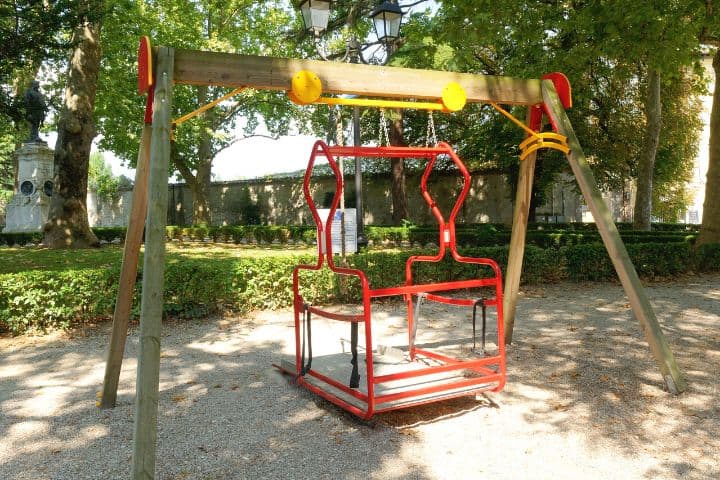
The sensory-rich equipment and games found in inclusive playgrounds have been shown to increase kids’ ability to think beyond the box. Inclusive playsets are made so all kids, including those with physical limitations, can enjoy them. In addition, kids can use them in ways that best suit their skills and circumstances. The elements of sound, color, texture and accessibility are all there to help create an innovative and enjoyable experience for everyone.
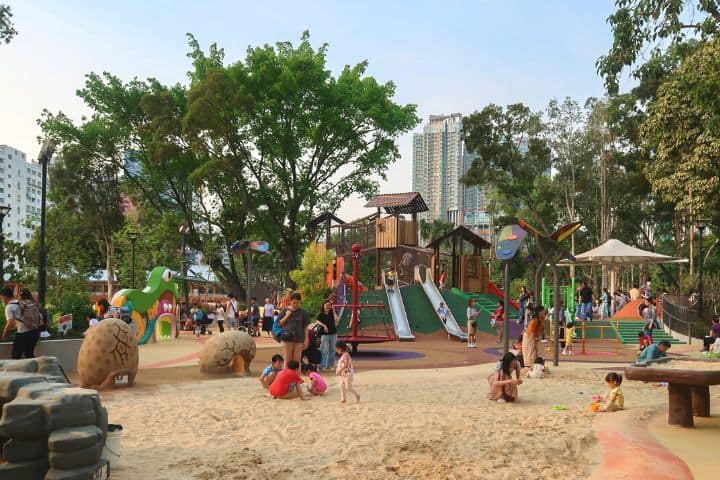
A child’s physical, emotional, social, and mental growth are all benefited from an all-inclusive playground. The play sets provide varying degrees of difficulty to accommodate children of varying ages and skill levels. Not only can kids have fun with them, but so can parents and other family members, who can learn a lot about their kids by watching them play.
- Teaches Compassion and Understanding
Having an inclusive playground is a great way to get kids to interact with individuals who are different from them. By interacting with a diverse group of people, children can learn to be more compassionate and understanding of the needs of others. Keep in mind that children that can recognize this distinction typically display greater empathy and sensitivity in social situations.
Naturally empathetic children have a deeper understanding of the needs of others and the difficulties faced by people in different situations. They can help others feel a sense of belonging. For instance, as kids get to know other kids who also have autism, they’ll realize there are valid reasons why their friends can’t make it to the playground daily. Children reflect these qualities at home as they become kinder, more caring, and exhibit thoughtfulness.
- Improves Self-Confidence in Children
Children with different abilities all benefit from interaction with one another by helping build their confidence and self-esteem. When kids of all backgrounds and abilities can play together on the same playground, it boosts their confidence and changes how they see the world.
Additionally, inclusive playgrounds with specially designed playsets allow them to play and explore a world with possibilities. It supports their mental development and skills in social interactions that they will carry until adulthood.
In Conclusion
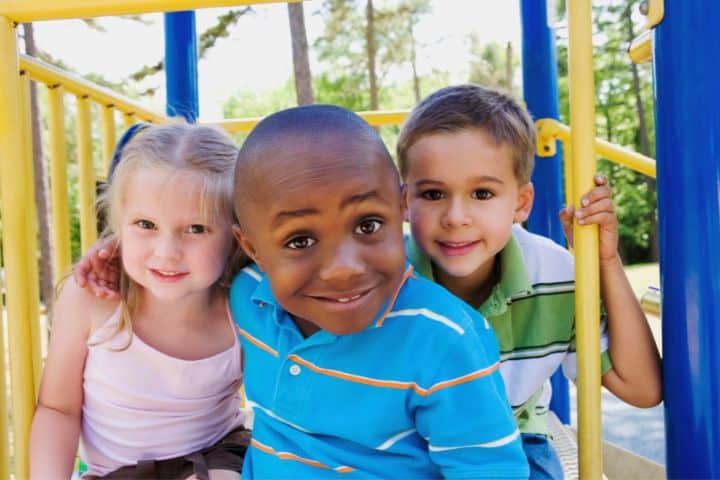
Having an inclusive playground in the community is essential because of its positive effects on children and their families. It allows children to share and feel a sense of belonging. Moreover, children develop empathy for the needs and differences of others different from themselves. Likewise, for kids with disabilities, interacting with others helps them become more confident in navigating the world around them. If kids of various abilities can play together on the same playsets, it will spark their imaginations and help them see the world in new ways.