
Healthy & Delicious: 4 Low-Oil Recipes For Food Truck Owners

Food truck owners face unique challenges in today’s competitive mobile dining landscape. Balancing customer demands for crispy, delicious foods while managing oil costs and offering healthier options can seem like an impossible task.
With various Frylow Models available that can reduce oil consumption by up to 50% while extending oil life, food truck operators have technological solutions at their disposal. Still, recipe innovation remains equally important.
In this post, we’ll explore four low-oil recipes specifically designed for food trucks that maintain flavour profiles customers love while reducing oil usage, cutting costs, and creating healthier menu options.
The Food Truck Industry and Its Oil Consumption Challenges
Since 2017, the American food truck industry has experienced an average annual growth rate of 7.9%. Despite economic fluctuations, the market has remained stable, reaching an estimated $1.8 billion in 2024. Such growth is driven by Traditional food truck fare—from French fries and onion rings to fried chicken sandwiches and empanadas—typically relies heavily on deep-frying techniques. Such a dependence on oil creates multiple challenges:
● Operational expenses: Edible oil prices in the U.S. are projected to rise 13.11% by 2030, reaching $3.44 per unit, impacting food industry costs.
● Storage limitations: Most food trucks have minimal space for oil storage.
● Disposal complications: Proper oil disposal presents logistical and environmental hurdles.
● Health considerations: Consumer demand for healthier options continues growing.
Healthy, Low-Oil Recipes Food Truck Owners Should Try
Successful food truck owners need recipes that reduce oil dependency while delivering the satisfying flavours customers expect. As consumer preferences shift, especially among Gen Z, who are more health-conscious than ever, offering nutritious yet satisfying meals has become increasingly important.
Below are four delicious, low-oil recipes that keep customers coming back while supporting a healthier menu.
Recipe 1: Air-Fried Loaded Sweet Potato Fries
Sweet potato fries remain a food truck staple, but traditional deep-frying consumes gallons of oil weekly. This air-fryer adaptation delivers the crispiness customers crave with minimal oil usage.
The key to perfect air-fried sweet potato fries is proper preparation. Start by cutting sweet potatoes into consistent ¼-inch sticks. Soak them in cold water for 30 minutes to remove excess starch, then thoroughly pat dry. Toss the fries with just one tablespoon of high-smoke-point oil per pound of potatoes, along with seasonings like smoked paprika, garlic powder, and a touch of cornstarch for extra crispiness.
Air-fry at 380°F for 15-20 minutes, shaking the basket halfway through. Serve loaded with pulled pork, avocado crema, pickled onions, and cilantro for a signature menu item that uses approximately 85% less oil than traditional methods.
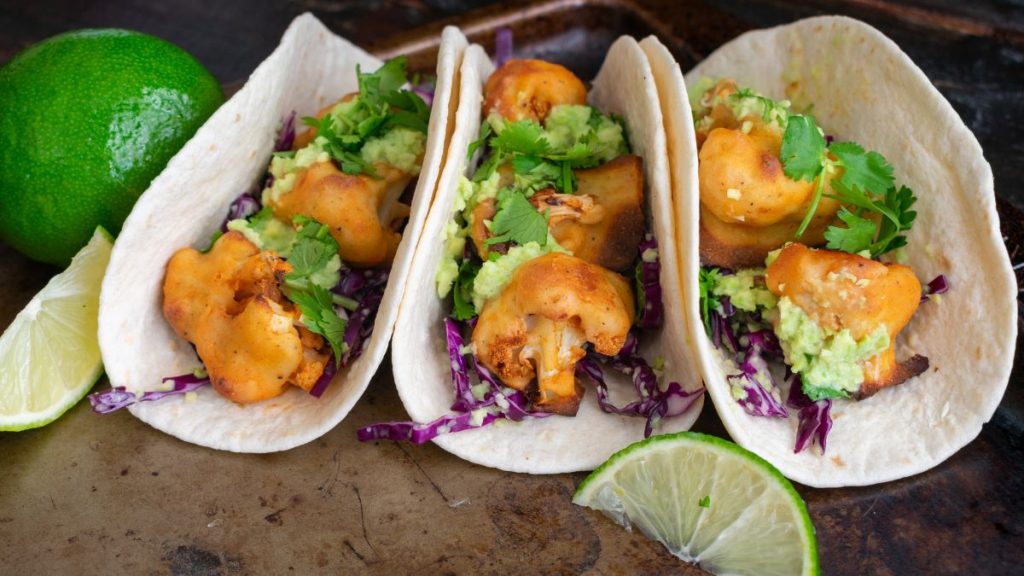
Recipe 2: Crispy Cauliflower Tacos with Chipotle Lime Slaw
These vegetarian tacos deliver satisfying crunch without deep-frying. The battered cauliflower requires just two tablespoons of oil per batch through a specialised oven-baking technique.
Break cauliflower into bite-sized florets and coat with a batter combining flour, cornstarch, baking powder, and carbonated water for lightness. Instead of deep-frying, arrange the battered florets on a preheated, lightly oiled sheet pan and bake at 425°F for 20-25 minutes, turning halfway.
The result is golden-brown cauliflower with a satisfying crunch that pairs perfectly with chipotle lime slaw, avocado, and pickled jalapeños in warm corn tortillas. This dish requires approximately 90% less oil than comparable deep-fried options while offering a vegetarian option that attracts a broader customer base.
Recipe 3: Pan-Seared Fish Sandwiches with Herbed Yogurt Spread
Fish sandwiches traditionally require deep-frying, but this pan-seared version uses just one tablespoon of oil per serving while maintaining a crispy exterior.
You’ll want to select firm white fish like cod or mahi-mahi, cutting into portion-sized pieces. Create a flavourful crust by pressing the fish into a mixture of panko breadcrumbs, lemon zest, and herbs. Heat a cast-iron skillet with minimal oil until shimmering, then sear the fish for 2-3 minutes per side until golden.
The sandwich comes together with an herbed yogurt spread (replacing traditional tartare sauce), pickled vegetables, and butter lettuce on toasted brioche buns. The technique reduces oil usage by approximately 75% compared to deep-fried versions while offering a premium menu item with higher profit margins.
Recipe 4: Oven-Crisped Falafel Bowls
Traditional falafel requires deep-frying, but this oven-crisped version uses minimal oil while maintaining the crucial textural contrast customers expect.
Prepare the falafel mixture traditionally with soaked chickpeas, herbs, and spices. Instead of forming balls for deep-frying, create slightly flattened patties that offer more surface area for crisping. Brush each patty with high-quality olive oil—using approximately one tablespoon for every eight patties—and bake at 400°F for 20-25 minutes, flipping halfway.
These falafel patties form the centerpiece of customisable bowls featuring:
● Base options: Quinoa, brown rice, or mixed greens
● Toppings: Cucumber-tomato salad, pickled turnips, and shredded cabbage
● Sauces: Tahini-lemon drizzle and harissa for heat
This menu item uses approximately 80% less oil than traditional methods while offering customization options that appeal to health-conscious customers.
Tips for Running a Healthy Food Truck
Balancing health-conscious offerings with efficient operations is essential for food truck success. Here are key strategies to ensure a smooth, profitable, and sustainable business.

- Prioritise fresh ingredients – Sourcing fresh, high-quality produce and lean proteins enhances flavour and nutritional value. Partnering with local suppliers can ensure better quality while supporting community businesses.
- Optimize cooking methods – Utilize grilling, roasting, and air frying instead of deep frying to maintain great taste with less oil. There are plenty of technological solutions to help improve frying efficiency while reducing oil absorption, making healthier food preparation more cost-effective.
- Streamline menu choices – Offering a well-curated menu with versatile ingredients minimises waste and ensures consistency in quality. Limiting high-calorie options while focusing on nutritious, flavourful meals strengthens customer appeal.
- Invest in sustainable practices – Using biodegradable packaging, reducing excess oil waste, and improving energy efficiency can lower costs while maintaining an eco-friendly operation, which resonates with health-conscious consumers.
- Educate and engage customers – Highlighting health benefits in menu descriptions and engaging with customers about nutritional choices builds trust and encourages repeat business.
Implementing these practices can aid food truck owners in creating a successful operation that aligns with modern health trends while maintaining great taste and efficiency.
Conclusion
For food truck owners seeking to reduce oil consumption while maintaining food quality, these four recipes demonstrate that flavour and texture need not be sacrificed. By adopting air-frying techniques, specialised baking methods, pan-searing, and strategic oil application, operators can reduce costs, improve health profiles, and differentiate their offerings in a competitive market.
Implementing these recipes requires minimal equipment changes while potentially increasing profit margins through reduced input costs and premium positioning.
Frequently Asked Questions
How much can low-oil cooking save food truck owners annually?
Food trucks using low-oil techniques can save $3,000-$5,000 per year on oil purchases alone. Additional savings come from lower disposal costs, which typically range from $50-$100 per month.
What equipment modifications are needed for these recipes?
Most food trucks require only minor upgrades, such as an air fryer (4-6 quart capacity, $150-$300) and high-quality sheet pans ($40-$80) for oven-crisping. Standard convection ovens and griddles typically handle the rest.
How do low-oil recipes impact service speed?
While some low-oil methods take slightly longer than deep-frying, pre-service prep (e.g., soaking sweet potatoes or mixing falafel) helps streamline workflow. Many trucks find that reducing fryer dependence prevents bottlenecks during peak hours.