Toxic or Not? How to Choose Pet-Safe Plants for a Beautiful Home

Australian pet owners are being urged to take a closer look at their gardens and indoor plants, with experts warning that some popular varieties could be making pets dangerously ill.
Josh Bulafkin, CEO of The Plants Project, said many well-loved plants contain toxins that can cause severe illness or even death in dogs and cats. Veterinary clinics across Australia are reporting a rise in plant poisoning cases – often linked to plants found in ordinary homes and gardens.
“Pet owners often buy plants without realising they’re bringing potential dangers into their homes and gardens,” Bulafkin said. “Plants like oleander, daffodil and lilies might look beautiful, but they can be deadly for curious dogs and cats who like to explore with their mouths.”
Common Plants That Are Toxic to Pets
According to Agriculture Victoria, many everyday garden and indoor plants are toxic to animals.
For Cats:
- Lilies are among the most dangerous.
“Lilies top the danger list for cats. Even small amounts of pollen from lilies can cause kidney failure,” Bulafkin explained. “Many cat owners don’t know this and bring cut lilies or peace lily plants into their homes.”
For Dogs:
- Azaleas and rhododendrons contain toxins that can cause vomiting, diarrhoea, and even coma in dogs.
“Just a few leaves can make a small dog very sick,” he warned.
Signs Your Pet May Have Been Poisoned
The symptoms of plant poisoning vary depending on the plant and the pet’s size, but common warning signs include:
- Sudden vomiting or diarrhoea
- Drooling or excessive salivation
- Lethargy or weakness
- Difficulty breathing
- Unusual changes in behaviour
“If you suspect your pet has eaten something toxic, get to a vet immediately and, if possible, bring a sample of the plant,” Bulafkin advised. “Quick action can make all the difference.”
The Surprising Risk Indoors
Even indoor plants can pose a threat.
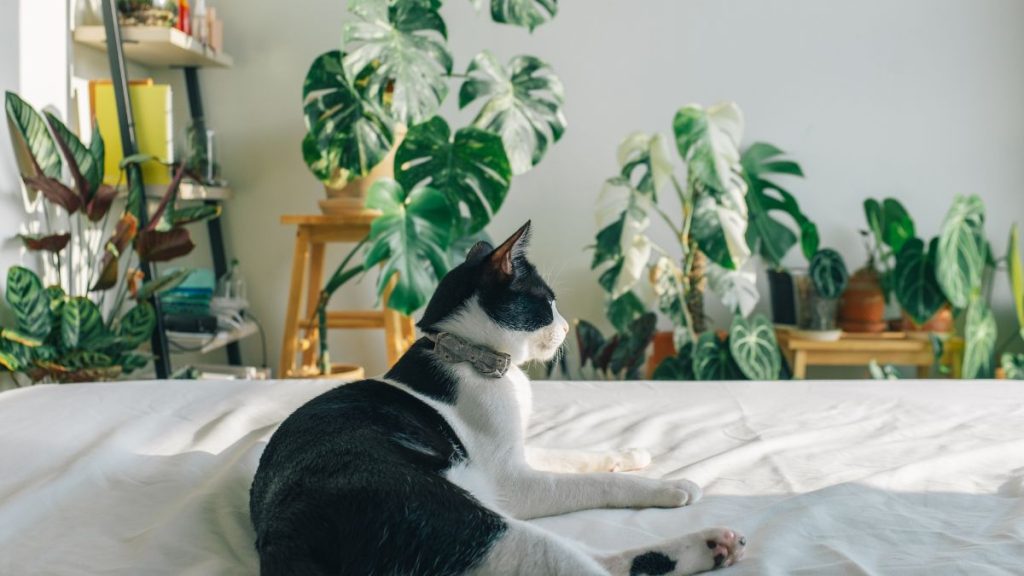
“What many people don’t realise is that some of Australia’s most popular houseplants can be highly toxic,” Bulafkin explained. “Plants like philodendron, monstera, snake plant and pothos can cause serious illness or death if ingested by pets.”
Safe Alternatives for a Pet-Friendly Home
The good news? You don’t have to give up greenery altogether. Bulafkin suggests simple swaps that keep your space vibrant and safe:
Pet-safe alternatives
- Replace lilies with roses or sunflowers
- Swap azaleas for camellias
- Choose herbs like mint, parsley, or basil for easy greenery
Consider artificial options
“Some pets just can’t resist sampling greenery,” Bulafkin said. “In these cases, artificial plants might be the safest option. Modern artificial plants look amazingly realistic and eliminate any poisoning risk.”
Create pet-safe zones
“Section off a part of your garden with pet-friendly plants and place toxic houseplants high on shelves or from hanging planters away from curious pets,” Bulafkin suggested. “If you can’t go without stunning floral arrangements, consider artificial options to enjoy their pet-safe bloom all year round.”
Stay Vigilant and Do Your Research
Even plants labelled ‘non-toxic’ can sometimes cause reactions.
“Every animal reacts differently. Some pets might have sensitivities or allergies to plants that are generally considered safe,” Bulafkin warned.
His advice for all pet owners:
“A quick check could save your pet’s life and save you stress and expensive vet bills. When in doubt, keep plants out of reach or opt for certified pet-safe varieties and artificial plants.”