What to Bring to the Hospital for Labor and Delivery Without Panic Packing

We all know the moment in late pregnancy when your social media algorithms seem to have learned that you are interested in all things related to pregnancy, so it starts to show you posts about things like hospital bag checklists and other “must-haves”. You start to feel uneasy, and maybe you even start to feel like you’re going to forget some really, really important thing.
The truth is, Australian hospitals are well equipped. The hospital staff know exactly what they are doing, too. And you’re not expected to arrive like you’re moving into the maternity ward!
Here are the things that matter most: comfort, practicality, and maybe a few “personal touches” to help you feel grounded. Our advice is to pack with intention instead of showing up with an overstuffed suitcase that may never even be unzipped.
The Essentials (Not Provided by Hospitals)
Most Australian hospitals supply the basics for birth and immediate recovery, including medical supplies, nappies for the baby while admitted, and post birth care items. What they do not provide are the personal items that make the stay manageable and familiar. Think in terms of things that support your body and your headspace.
Sleepwear should be comfortable and open easily for feeding your new baby. Underwear should be the supportive kind. Oh, and as with any overnight trip, make sure you bring a phone charger – preferably one with a long chord. Other items you might want to pack include lip balm and some moisturizer; hospital air has a way of drying everything out sometimes.
Food & Beverage
In an ideal world, hospital meals are meant to be functional and nourishing. That’s the “pro” column. In the “cons” column, hospital meals are not always timed to when you’ll actually want them. And the people who are there to support you usually get even fewer options.
No one is going to starve, but bringing your own snacks and drinks can go a long way to keeping everybody’s energy up and stress levels down, especially if there are long stretches of time spent waiting. This is also where a soft, insulated cooler bag is worth its weight in gold. A bag like this can keep drinks cold while also keeping snacks fresh.
Bringing your own snacks and drinks can also remove the stress of relying on vending machines or takeaway runs. Stock your cooler bag with electrolyte drinks, fruit, yoghurt pouches, and maybe a few easy comfort snacks. This may sound like a super simple tip, but trust us, having the right food nearby can make a huge difference.
Items for Your Privacy
For those enjoying the luxury of a private maternity suite, the added privacy is sort of built into your stay. Still, it might help to bring a lightweight robe. Oh, and if you’re the kind of person who needs that one specific pillow or you wake up with a crick in your net, bring it! You’ll also want to bring comfortable clothing that feels decent enough for you to be in around visitors or for taking a walk in the corridor.
Bringing a “going home” outfit might be a good idea, too, but it doesn’t need to be complicated–or photo-ready–unless that sort of thing matters to you.
Items That Support Recovery, Not Instagram
This is where your thoughtful packing is really going to show its value. Bring comfortable shoes with good grip for walking after birth; this is going to be way more useful than anything you bring because it’ll look good in an Instagram photo.
Other items you might consider are post birth pads, breast pads, and nursing bras. These are often supplied (at least partially). However, bringing your own can be reassuring, especially if you prefer specific brands.
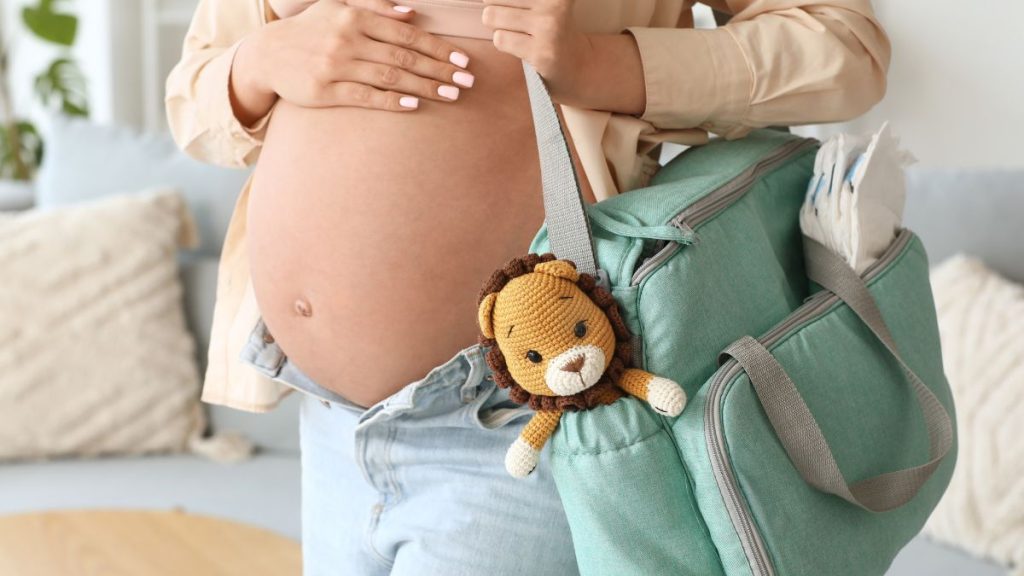
A reusable water bottle with a straw lid makes staying hydrated easier, especially when moving is uncomfortable. If you plan to feed, nipple cream and a supportive feeding pillow can help. The hospital will guide you through the early days regardless. These are tools for comfort and function, not aesthetics, and they deserve priority.
What to Leave at Home
Overpacking usually comes from anxiety rather than need. Multiple outfits for yourself, elaborate baby accessories, and large gadgets often sit untouched. Hospitals are busy places, storage is limited, and clutter can feel overwhelming when you are tired. Leave valuables at home, keep jewellery minimal, and skip anything you would be annoyed to misplace. If something truly essential is forgotten, it can be brought in later. This is not a one shot situation where you must get everything right the first time.
Documents and Practical Items
Bring a small folder or pouch with your ID, hospital paperwork, and any relevant health information. You’ll be thankful to happen them during admission; friction will be reduced and you’ll be able to focus on what is happening instead of administrative details. If you have preferences documented, bring a copy, but remain open to flexibility. Hospitals are set up to respond to what is needed at the moment.
Packing With Calm and Confidence
Packing for labor and delivery does not need to feel like a test you might fail. The goal is not perfection, it is preparedness that supports comfort, recovery, and a sense of ease. Australian hospitals are designed to carry the medical load, leaving you to focus on yourself and your baby. Bring what makes you feel steady, fed, comfortable, and cared for, and leave the rest behind. Walking in with a well considered bag and a clear head sets the tone for everything that follows.