Are Baby Bean Bags Safe for Newborns? Australian Safety Advice

Updated October 2026. We may earn a commission from links on this page, at no extra cost to you.
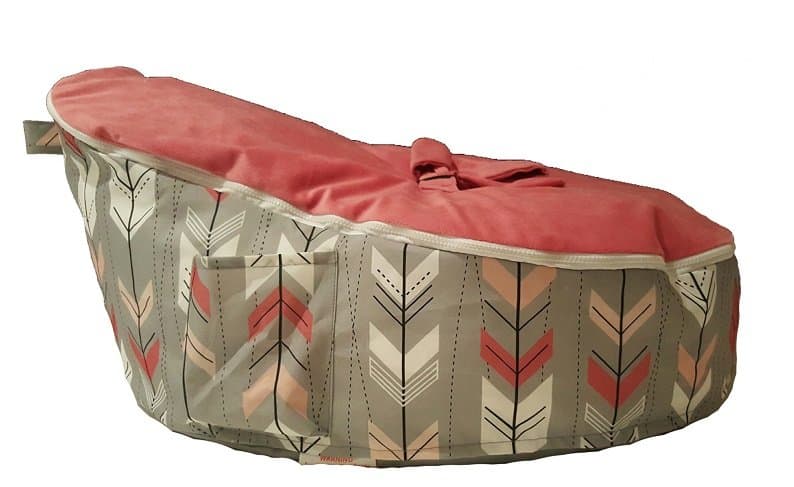
No. Baby bean bags are not safe sleeping surfaces for newborns. Red Nose advises against sleeping a baby on a beanbag. The Australian bean bag safety standard requires bean bags with accessible filling openings, their covers and filling packs to carry warnings about suffocation and unsafe sleep for infants under 12 months. A harness, a “newborn” label or an adult watching does not turn a bean bag into a safe place for a nap.
If your baby is sleeping on one now, move them to their own appropriate cot or bassinet. For every sleep, use a firm, flat and level mattress, place baby on their back, and keep their head and face uncovered. Raising Children Network’s safe-sleep guidance explains the sleep surface, bedding, position and room-sharing arrangements.
This is a parent information article based on public Australian guidance checked on 7 October 2026. It is not a product endorsement or a clinical assessment of a particular baby or bean bag.
Why bean bags are a problem for infant sleep
The shape and softness that make a bean bag feel comfortable for an adult are not what a newborn needs for sleep. Red Nose explains that a baby sitting or lying on a surface that lets their chin drop towards their chest can have their airway blocked. Looking settled or comfortable does not tell you that the surface is appropriate. Read Red Nose’s beanbag explanation.
There is also a suffocation risk when a soft surface forms around the baby’s face. The Australian Keeping Baby Safe consumer guide warns against putting babies to sleep on bean bags because filling can mould around the face and smother them. Spreading the beans out, adding a board or placing a blanket over the seat is not a verified way to make it safe.
The filling creates a separate hazard. If beads escape or become accessible, children can swallow or inhale them. The ACCC’s bean bag standard identifies choking and suffocation risks and requires child-resistant closures where filling can be accessed. A secure closure addresses access to filling; it does not solve the unsafe sleep-surface problem.
Does supervision or a harness make a baby bean bag safe?
Do not use supervision as a reason to let a newborn sleep on a bean bag. The advice against beanbag sleep does not change because you are beside the baby, checking a camera or planning a short nap. Nor does a harness remove the risks from the surface and the baby’s position. Choose an appropriate sleep space from the outset.
Be cautious with advertising that shows a baby lying in a soft seat or describes the product as “supervised use only”. Awake-use wording is not permission to use it for sleep. This guide does not recommend newborn beanbag use, including supervised awake use, and does not identify a safe time allowance.
Australia’s infant sleep product standards became mandatory for businesses on 19 January 2026. The safety standard includes requirements for firmness and a flat surface, and says infant sleep products must not have a restraint system, harness or strap. That is another reason not to interpret a harness as proof that a product is intended or suitable for sleep.
Keep the intended activity clear: awake play is awake play, and sleep belongs in an appropriate sleep space. If another carer says they will watch the baby in a bean bag while you shower or cook, show them the safe-sleep guidance and agree on the cot or bassinet instead.
What should you use instead?
For sleep, use an appropriate cot, portacot or bassinet that meets applicable Australian requirements, with its correctly fitting, firm mattress and safe bedding. Do not add pillows, nests, padded inserts or positioning wedges. Place baby on their back for sleep and keep the sleep space clear. Raising Children Network specifically lists beanbags among unsafe sleep surfaces.
If you are comparing small sleep spaces, our Australian bassinet guide can help with shopping questions. Check the exact model’s current instructions and compliance information; a buying guide does not replace the safe-sleep guidance linked here.
For awake interaction, consider simple floor play with you beside baby rather than purchasing a moulded seat. Raising Children Network’s tummy-time guide explains supervised tummy time and ways to keep a baby interested. Tummy time is for an awake baby, not a sleeping position.
Our baby play mat guide and newborn toy ideas are for play planning. A play mat or toy does not belong in the cot as a sleep aid. Move baby to their appropriate sleep space when play ends and they need to sleep.
What about reflux, colic or a flat head?
Do not choose a bean bag to treat these concerns. Red Nose’s reflux guidance recommends back sleeping on a flat, firm mattress, including for babies with gastro-oesophageal reflux. Tilting the sleep surface or placing baby on their side is not the recommended solution.
Talk to your GP or child and family health nurse about feeding discomfort, persistent crying, head shape or difficulty settling. Bring the product photograph and explain what you hoped it would help with. That makes it easier to discuss appropriate care without relying on an old review or a seller’s health claims.
If you already own a bean bag
Take it out of your newborn’s sleep arrangements. If it was a gift or a purchase made after reading an older recommendation, you can change the plan now. There is no need to keep using it just because it cost money or another family found it convenient.
- Check its brand, model, labels and instructions. Keep that information for any retailer enquiry.
- Use the ACCC’s recall and unsafe-product guidance to find the recall search and what to do if the product is affected. Follow the specific recall instructions.
- Check for damaged fabric, escaping beads and accessible filling in any bean bags used elsewhere at home. Keep loose filling away from children.
- Tell grandparents, babysitters and other carers where baby sleeps and share the current guidance.
The required warning label and child-resistant zip are important product-safety features. Their presence does not certify a bean bag for infant sleep. Equally, finding no recall is not proof that a product is safe for every use. This article has not checked an individual family’s product or declared any particular model compliant.
Frequently asked questions
Are baby bean bags safe for newborns?
They are not safe for newborn sleep. Choose baby’s own appropriate cot or bassinet. This guide does not recommend using a bean bag as newborn seating or an awake-use workaround either. Ask your child and family health nurse if you need help choosing a practical daily-care arrangement.
Is a baby bean bag with a harness safe for naps?
No. A harness does not make the soft surface suitable for sleep or remove the positioning risk. Do not use one for a supervised nap, and do not add restraints to a cot or bassinet.
Does the Australian warning mean bean bags are safe after 12 months?
The warning identifies a specific infant-sleep hazard; it is not a promise of safety once a child turns one. Filling remains a choking and suffocation hazard, and age and use instructions still matter. Do not use that birthday as a reason to replace an appropriate child’s bed with a bean bag.
Can a bean bag help a newborn with reflux?
Do not use it as a reflux treatment or to elevate baby for sleep. Follow the Red Nose reflux guidance linked above and discuss symptoms with a GP or child and family health nurse.
Where can Australian parents ask about bean bag safety?
For sleep questions, Red Nose’s Safe Sleep Advice Hub lists its advice line: 1300 998 698, 9 am to 5 pm Monday to Friday (AEST). A GP or child and family health nurse can help with your baby’s individual needs. For a product defect or recall, use ACCC Product Safety.