A Parent’s Guide to Managing Bullying

Problem Solve Your Way Out of Bullying? Not a Chance. A Parent’s Guide to Managing Bullying
With shoulders slumped and his head down, my 10 year old client told me that some of the older kids in his school were calling him “girly” and other expletives that I won’t repeat here. As he told me the ways he was being tormented, I couldn’t help but feel angry and vengeful. He had been a client of mine for some time, coming in for therapy to discuss his parents’ separation, but the conversation invariably turned to the most pressing thing in his life… Bullying.
Many Australian parents have been there, and for generations we have struggled with how exactly to manage the situation. At first we taught kids to fight back and stand up for themselves, but that escalated situations and sometimes got kids into worse trouble at school and sometimes even police when they grew older. Then we told kids to ignore it and do something else, but that left kids with horribly low self-esteem and gave them insecurity about themselves that they need not have.
Ultimately, the worst thing kids feel when they are being bullied is a sense of isolation – that because they are being told they are ugly and worthless by this person or group of people, it must be true and no one cares for them. This has the hallmarks of an incredibly difficult and dangerous journey for kids and as a nation we have seen the results of that, with numerous suicides being attributed to bullying and cyber bullying.
Kids need to talk about bullying and we need to be able to listen. When kids describe what is happening, we are going to have our own reactions, such as worry, anger, sadness and maybe memories of our own childhood – and these are the feelings that stop us from listening to our child’s experience. We often go into crisis mode and stop listening to our kids in favour of making sure we do what is right and solve the problem. At times this can be the best thing for kids for example, when it comes to safety because as adults, it is our job to keep kids safe, even when kids may not appreciate it.
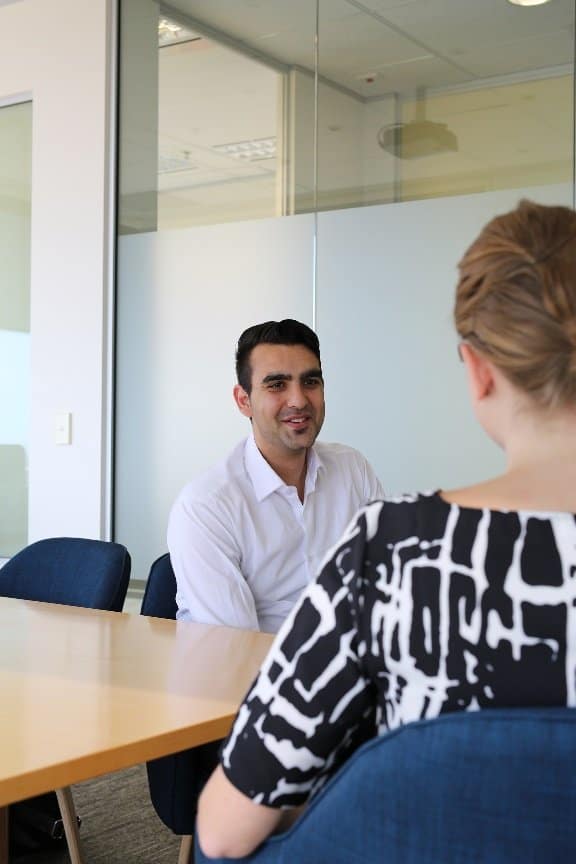
For my client, the thing he valued most was being able to talk to a safe person about what was happening at school, someone who was not going to react in anger or panic no matter what he said.
As he spoke to me, I;
– Listened and let him say everything he needed to say.
– Asked him about the range of feelings and thoughts that he was having and what he thought he wanted to do about it.
– Asked him best and worst case scenarios with all of the options he laid out.
– Allowed him the space to make his own decisions about how he wanted to solve the issue.
This conversation and the conversations which ensued, allowed three things for my client.
Firstly, he felt connected and not isolated. This keeps him emotionally safe and also keeps a line of communication open in case the situation did not change or matters escalated. He was able to communicate his thoughts despite how scary they were.
Secondly, he felt a sense of control and empowerment in the decisions and how the situation would play out. He would be able to own the outcome because he had a hand to play in it.
Finally, over time he felt confident again and was able to stand up to the bullies and more importantly, stop allowing them power over his feelings. He robbed them of their ability to bully them. This is the best intervention we could ask for.
Countless parents have asked me what the magic bullet is when it comes to bullying. The good news is that you can do the same things I do to tackle this problem. The hardest part is putting my feelings away long enough so I can truly support my clients in the best way possible, even when it is scary or sad (for both of us). Remember, bullying can be as difficult on parents as it can be for kids so take care of yourselves and contact a professional if you feel the need.
Article provided by Ray Medhora -Child and Family Therapist. Ray Medhora is a child and family therapist and avid time waster. He finds it tricky writing these bios and feels like he would much rather speak to people and explain to them how much he enjoys his work and how much success he has had over the years working with children and families of Australia. He has authored a children’s story on parental separation and has specialised in working with all types of families. He is available for private sessions over Skype or in person in the North Shore of Sydney, Australia. Find out more at www.raysroomtherapy.com.au