Child Safety Window Locks

Here’s our Window Safety Interview with Carolyn Ziegler, Co-founder of Dreambaby® the child safety brand and international child safety expert and advocate.
I have worked a long time in child safety – over 35 years and during that time I have been exposed to many unfortunate accidents involving babies and toddlers around the home and none is more tragic than a child accidentally falling out of a window. It was one of the reasons we linked up with Westmead Children’s Hospital to help them with their “Kids Can’t Fly” campaign which called for tighter child window safety legislation. This was successful and resulted in key legislation in NSW whereby all strata buildings must now be fitted with devices that enable their windows to be locked at 12.5cm when the locks are engaged. Owners corporations must have devices installed on all common property windows above the ground. Similar legislation will likely be enforced shortly across the country and in the meantime, the Building Code of Australia (BCA) has also been updated to make window locks above ground level mandatory including in family houses, not just apartments.
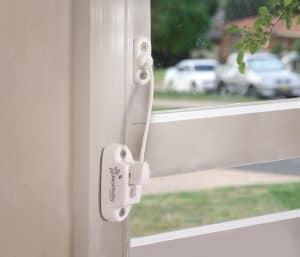
I couldn’t be happier about this legislation and I am always surprised when parents say they don’t have window locks on their windows. Remember installing window locks does not mean that you can no longer open a window just that it can’t be opened past 10 cm (in the case of our window locks) thereby reducing the risk of injury from falls. One thing parents and carers need to realise is that fly window screens do not substitute for child window safety locks or bars on the window. Flyscreens can be easily pushed out by a toddler.
It’s also important that grandparents, aunties, cousins and friends who you visit a lot have these window locks in place too as many falling accidents happen in other people’s homes.
Still, child safety locks and securing windows are just part of the child safety story. The following are my top tips on helping to keep children safer in the home and what dangers to look out for:
Secure Heavy Furniture
There is nothing more dangerous than heavy drawers and TVs falling on small children. Unfortunately, kids love to use drawers as stairs for climbing with often tragic results. The problem is exacerbated by the fact that today’s furniture is often designed with all the decorative heavy parts at the front so it’s simple physics they will topple over. Secure all furniture (not just heavy furniture) and TVs with furniture straps and/or anchors and TV savers and remember to read the installation instructions carefully and follow them.
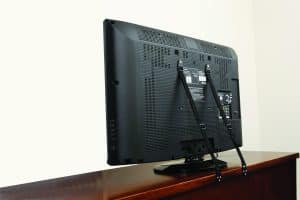
Kitchens and Bathrooms – High Danger Areas
Kitchen and bathrooms pose special dangers – here are some of my tips for kitchens:
- Secure refrigerators especially if you keep medicines or alcohol in the fridge and push all uncooked meats to the back of the fridge. Also, ensure glass bottles are not too close to the front of the shelves either.
- Move dishwasher liquids and tablets from under the sink where children have easy access and instead place them high up and out of reach in a secured cupboard. It’s also an idea to secure your dishwasher as the residue from cleaning tablets can make a child very unwell and there are often traces left after a wash.
For bathrooms:
- Set the water temperature to a safe level to avoid burning. Your baby’s bath should be 37 degrees C to 38 degrees C, which is around body temperature.
- Keep medicines and other toxic substances up high and out of reach in a locked cabinet.
- Use bath mats to help stop accidental falls and slips in the bath and secure toilets with a latch as toilet water can be full of harmful germs and chemicals and that can make your little ones very sick.
- Never leave your child alone in the bath or without proper adult supervision, even for a second, to answer the door, telephone or even grabbing a towel. Children can drown in seconds in just a few centimetres of water. I always advise parents to bring their phones into the bathroom when they are bathing baby – that way they are not tempted to leave the room if their phone rings.
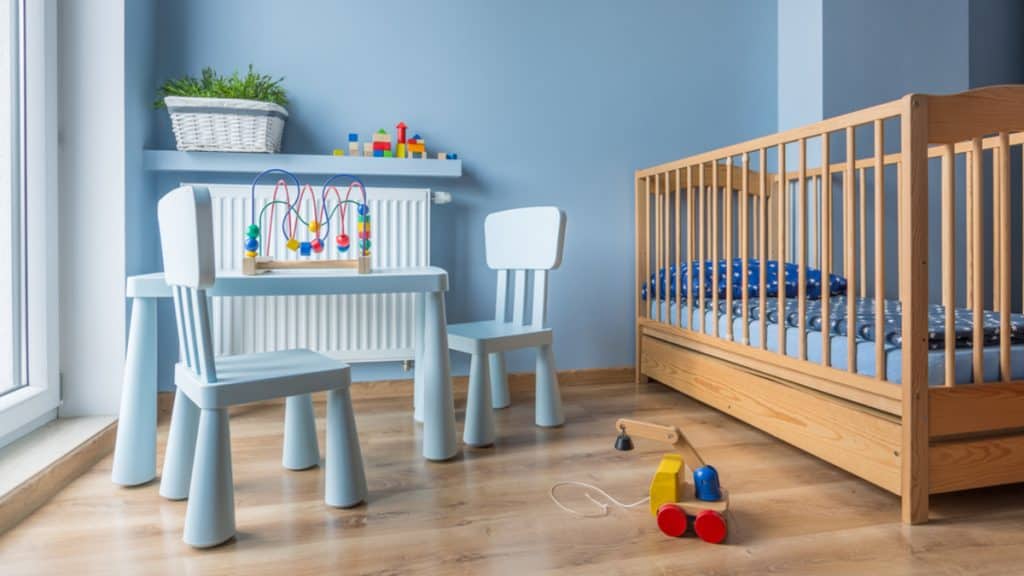
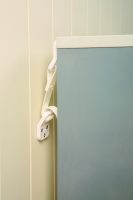
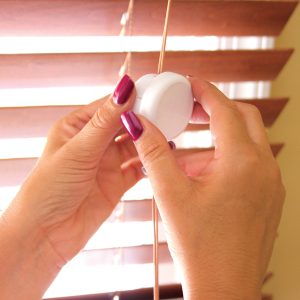 For both kitchens and bathrooms install safety gates at the entrance. In bedrooms move cots and beds away from windows and install blind cord wraps as dangling cords are a big strangulation hazard even when babies are young.
Always keep an eye out for dropped pills and coins. These are a choking and poisoning hazard so need picking up straight away. Get down on all fours from time to time so you see your home from a child’s angle – this will really help to identify dangers.
Once your child starts to crawl secure the top and bottom of stairs with gates and most importantly never leave your child alone. Nothing ever replaces adult supervision.
Carolyn Ziegler has recorded a number of podcasts, which take parents and carers through all the ins and out of childproofing.
Visit the Dreambaby® website for more on safety solutions: www.dreambaby.com.au @dreambabysafety #dreambabysafety https://www.facebook.com/Dreambabysafety/ @bigwaustralia #bigwaustralia
Other Related Products:
No products found.
Last update on 2026-09-20 / Affiliate links / Images from Amazon Product Advertising API