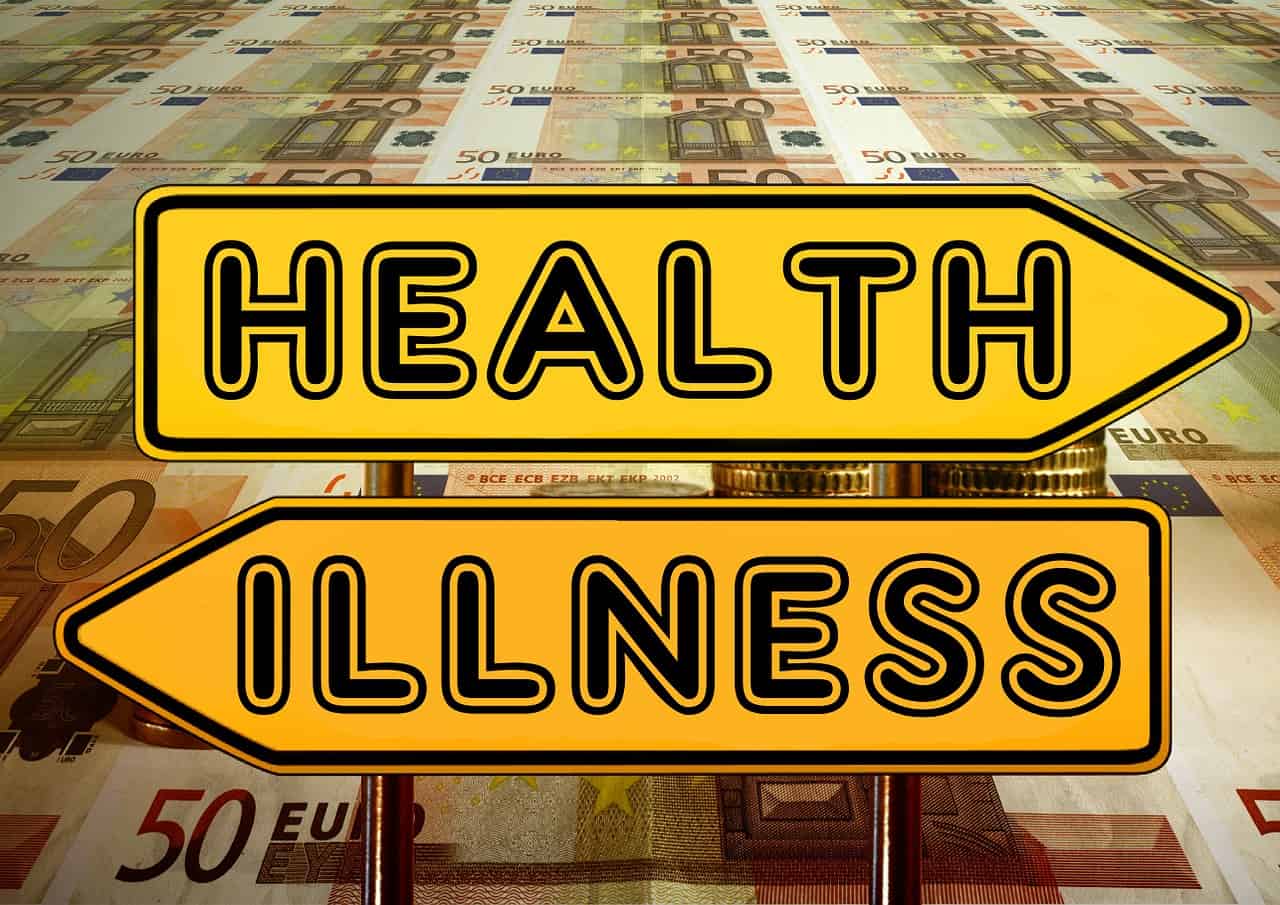
How Early Should You Apply for Health Insurance?

As the popular saying goes, health is wealth, and this is the reason why everybody needs to take good care of their health and make it a priority. This is even more necessary if you are a breadwinner or if someone depends on you. Come to think of it, if anything untoward happens to you that makes you feel ill, the situation will significantly affect those who are depending on you too. It is in these instances wherein health insurance becomes necessary. However, the most common question is how early should you apply for health insurance?
The simple answer is: the sooner the better.
This is because the premium that you have to pay for insurance coverage generally increases with age. Thereby, if you are still young, there is a great possibility that you will be able to obtain insurance coverage with an immense benefit plan at a lower cost. If you are older though, the price may no longer be as inexpensive. If you reach the senior citizen age, chances are you will be redirected to a health insurance plan that is designed for the elderly, and the premium for these types of health insurance plans are extremely costly.
Another reason for you to get health insurance the soonest is because as you get older, your chances of getting approved for health insurance also get slimmer. There is a notion that the older a person becomes, the more prone he or she is to experience ailments and diseases that will need medical attention. Thus, it is best to get health insurance while you are still fit and active. Consider it as an investment for your health.
An overview of health insurance
Health insurance is a financial service that inhibits you from using your emergency fund in cases of hospitalization, or in the midst of an illness. More often than not, health insurance is a type of plan that helps you cover your medical bills. More often than not, people with private health insurance don’t need to shell out any amount of money after a medical procedure. However, in order to enjoy such benefits, the insured pays a certain premium. There are several types of health insurance that are appropriate for singles, couples, or even an entire family. There are also health insurance plans that cover overseas students, workers, or visitors.
While it can be overwhelming to choose certain health insurance, keep in mind to look for health insurance options that are tailored-fit according to your needs. Thanks to the advancements in modern technology, most insurance providers already leveraged on the most innovative digital tools that make it easy for people to gain access to the health care information they need. Often times, these digital tools also allow the insured to manage his or her policy conveniently and seek support from the provider instantly. This is very helpful in cases wherein the insured wishes to change his level of coverage.
In choosing a provider, the most common mistake that one makes is to look for one that offers the lowest premiums. However, lower premiums on health insurance may also entail limited services when the time comes that you need to seek medical attention. It can also be that the health insurance provider with the lowest rate has accreditations only on selected health institutions. Thereby, it is a good practice to keep a watchful eye on the insurance policy and scrutinize through the terms and conditions of the premium you are paying for. Review the policy waiting periods, as well as the annual limits. More often than not, there will be policy updates that will prove to be to your advantage such as expanded coverage. Nevertheless, your insurance policy should be customized to fit your needs as an individual.
Benefits of health insurance
-
Inpatient care
One of the primary benefits of getting health insurance is inpatient care, wherein the insured needs to be admitted to a hospital. More often than not, this entails the need for immediate care or specialized procedures that can only be done within the hospital premises, with the aid of the medical staff. With proper health insurance, hospitalization costs of inpatient care are usually covered. Depending on the health insurance plan, inpatient care may also cover for medicines, as well as laboratory tests, apart from the hospitalization.
-
Outpatient care
Outpatient care simply implies that the treatments needed by the insured can be performed either in his or her home or at the doctor’s clinics. This means that the insured is not admitted to the hospital for treatment or immediate medical attention. More often than not, outpatient care includes coverage for wellness and preventive care, or a routine check-up. There are instances wherein it also covers laboratory tests and annual physical exams, depending on the health insurance plan.
-
Emergency care
Another benefit of health insurance is emergency care wherein the insured needs to be treated urgently. As such, it encompasses critical care, which can be due to injuries acquired following an accident. It can also be a travel coverage to provide emergency assistance to the insured as necessary while he or she is overseas.
-
Optional Benefits
There are other benefits that can be covered by a health insurance plan, such as dental procedures, optical procedures, and maternity coverage. In order to enjoy these benefits, however, the insured needs to pay an additional premium. These are generally regarded as optional benefits because more often than not, these are usually separate from healing because of a critical illness.

In conclusion, getting yourself health insurance is also a way of being prepared for unforeseen situations. Apart from making your health a priority, you are guaranteed that should anything untoward happen in the future, you have the proper coverage and protection, enabling you to get the proper care you deserve to restore your health. Thereby, think about getting that health insurance as soon as possible, that is if you haven’t yet.