High School Hacks – 5 Secrets to Helping Your Child Succeed

High school feels like a high-pressure experience for many teenagers because it is. Think about it. They are in a serious developmental phase. They are growing into adults, but at the same time have to stay focused on things like maintaining good grades, extracurricular commitments and making life-changing decisions on what to do next. Here are five secrets to helping your child thrive in high school:
1. A Dedicated Tutor
For most, years 11 and 12 is the shortest, but most stressful time in secondary school. Since every student in Victoria is going through the same results-focused study period, high school teachers often end up spreading themselves too thin in their ability to help everyone in their class. This is why having VCE tutors who work one-on-one with the student can often be a great learning advantage that yields results come exam time. You may not be able to recall year 12 trigonometry to help your child, but a dedicated VCE tutor certainly can. So keep a reliable tutor contact on-hand for when your child is in need, or better still, organize ongoing tutoring sessions to help solidify and retain information.
2. Attend Open Days, Orientation Events and Parent-Teacher Interviews
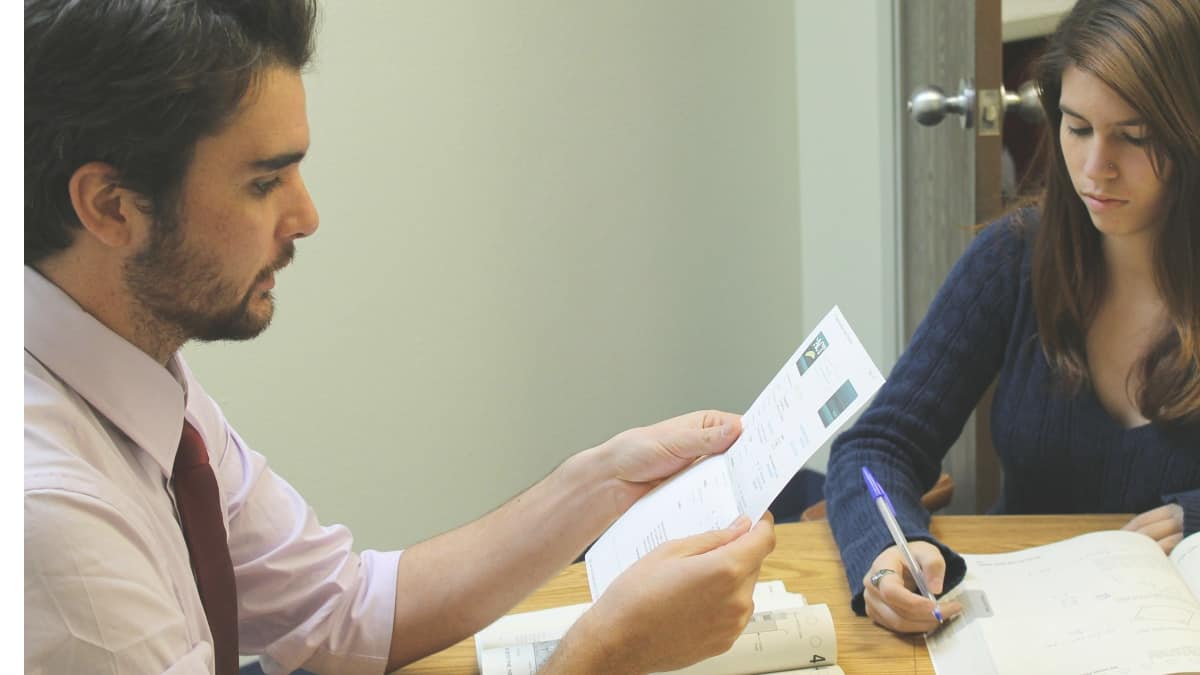
It can be difficult to keep up with the schooling schedule of a teenager and understanding all the processes involved with VCE and tertiary education. Especially since they change from year to year and will tend to vary depending on your child’s school and interests. Keep informed by staying in touch with your child’s school and maintain communication with their teachers.
You don’t need to overdo it and check in regularly, simply attending information nights, parent-teacher interviews and open days for universities and TAFEs will go a long way in understanding VCE and tertiary pathways. This way, you can have better conversations with your child if they need to talk about their options and can help them with their decision-making.
3. Home Study Area
Having a comfortable study space is an extremely underrated study resource. It is also one of the easiest ways you can make a difference in your child’s education as a parent. Unless they really seem to prefer it (and their school grades reflect this), your teenager should not be working from a kitchen desk or a loud, communal space at home like the lounge room.
For their birthday or the holidays, gift your child something practical like a comfortable desk and chair and set it up in their room or a quiet space in your home. If you have other younger children or a big family, make sure to encourage boundaries, so that the study space is as free as possible of distractions.
4. Encourage Time For Breaks and Leisure
The VCE period is regarded as ‘risky’ by mental health professionals, for elevating teenagers’ stress to dangerous levels. This doesn’t mean that your child is definitely going to experience anxiety and excessive stress, but it certainly doesn’t hurt to do your part in making sure that they are taking adequate breaks and remaining healthy in their final years of school.
Make sure that their life is not revolving solely around a demanding study schedule and that they are regularly going outdoors and getting enough sleep. Check-in every so often to see how they are feeling and going with school. They might not always want to start the conversation about feeling burned out or overwhelmed but you can make a point of being open to listen and support.
Keep these tips in mind and remember, that while you can’t be too hands-on when your child is at VCE age and make their choices for them, you can always offer your support.