Is Fluoride Bad for You?

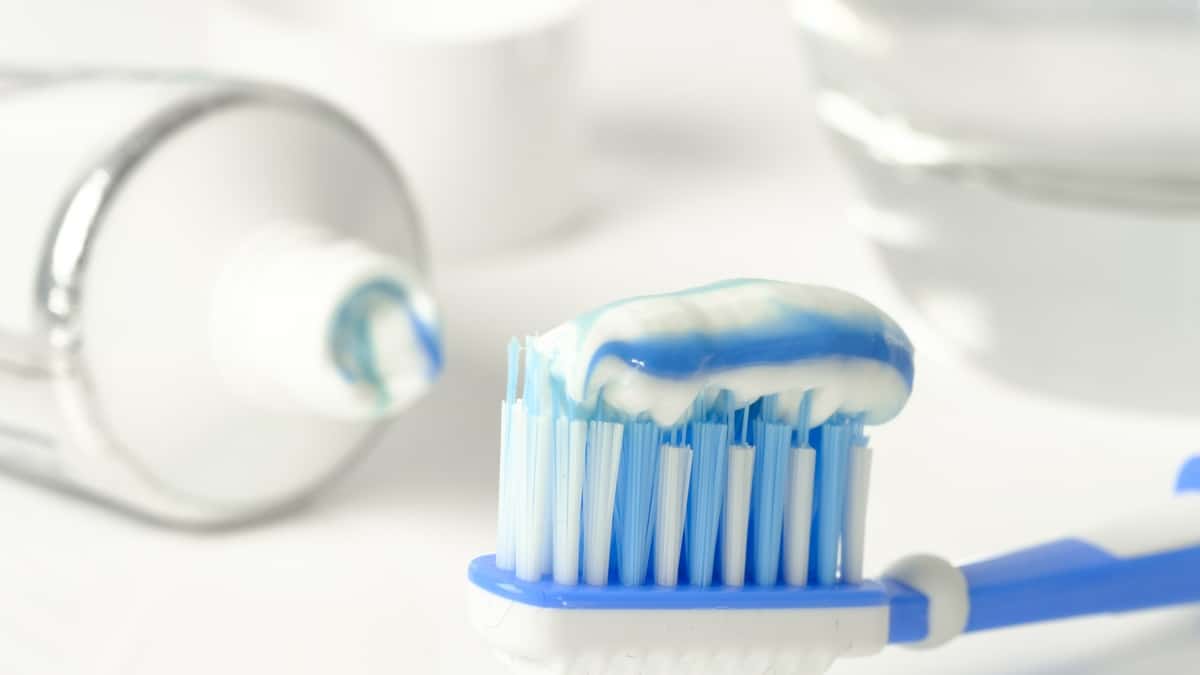
Fluoride is a compound commonly added to toothpaste to improve dental hygiene. To a keen mind, it is the smallest form of the chemical element fluorine (ion) existing in the conjugate form of hydrogen fluoride. Over the years, scientists have found evidence that fluoride prevents tooth decay. However, it is also proven that excess fluoride can lead to a condition called fluorosis, which can escalate cavities in children.
Where Do You Find Fluoride?
As said earlier, you can find fluoride in toothpaste and other tooth care products such as mouthwash. Manufacturers of dental products also add this compound to prevent discoloration of the products. Although the level in the water is usually low, it can also be more occasioning community-level tooth decay and discoloration.
Some states also engage in water fluoridation efforts to improve the amount of fluoride in the water. The recommended levels should be 0.7 milligrams per liter of water.
How Do You Ensure That You Have Just Enough Fluoride In The Water?
Fluoridation of Water that has Low Levels
When the water has low levels of fluoride, you add fluoride to reach the recommended level. Water fluoridation is mostly done in a commercial process because the level of precision required to achieve enough fluoride is high.
Defluoridation of Water that has Excess Fluoride
The commercial defluoridation works on groundwater that has excess fluoride. Some public water has up to 3 ppm, which is excessive. However, you can also remove fluoride through existing methods.
Reverse osmosis, distillation, activated alumina, and strong-base anion exchange processes can reduce the amount of fluoride in the water. At home, you can try these filters and see the difference for yourself. These will be able to reduce the level of fluoride in the water, considering that each filter uses a different process and could lead to varying degrees of fluoride rejection rate.
How Does Fluoride Act?
Fluoride in tooth care works in three ways. However, it must be in small quantities for it to work as required.
Demineralization
The enamel is made up of essential minerals such as calcium and phosphorus. The environment in the mouth can allow bacteria and other substances to prey on this calcium. Fluorine is absorbed into the enamel and prevents these substances from eating the calcium. In the process, it prevents tooth decay in adults and children.
Remineralization
Now and then, the body itself mineralizes the enamel, replenishing the calcium in the process. The presence of fluoride acts as a nucleus to the operation or remineralization. This process ensures that every mineral that is deposited into the enamel sticks there.
Preventing Bacterial Activity
As noted above, tooth decay reflects the level of bacterial activity in the teeth. If the activity is inhibited, someone can have better dental health outcomes. Fluoride enters the enamel, making it hard for bacterial enzymes to break down essential minerals in the tooth.
Benefits Of Fluorine In The Teeth

The benefits of having enough fluoride in the toothpaste or drinking water are diverse.
Here are some of them:
Reduce the Risk of Expensive Tooth Procedures
Dental caries can obliterate the tooth, occasioning expensive methods such as tooth removal, root canal, and dental implants. Enough fluoride can prevent all those problems, especially when it is coupled with dental hygiene.
Improve Self-Esteem
Tooth decay can severely affect people’s outlook of themselves. Preventing decay can help people smile, better and be happy about the way they look.
Promote Dental Hygiene
People who have dental problems tend to lose interest in taking care of their teeth. In the process, they tend to have bad dental hygiene, which can cause many other health problems.
The Cons Of Excess Fluoride
Excess fluoride causes fluorosis—a weakening of teeth cavity—and weak bones that are prone to fractures. For fluorosis to occur, one must be exposed to excess fluoride in drinking water for a long time or during developmental years.
There are also risks for cancer and impaired brain development. However, the studies conducted dwelled on correlation rather than causation. This is a scientific dilemma and ongoing debate.
Fluoride is good for your health, but it must be used at low levels. Levels below 2ppm are still acceptable in the public water systems supplied by states and counties. Scientists, however, believe that such levels are still high.
High levels of fluoride are harmful to your health, and you should avoid them by ensuring that you are drinking filtered water. Although the problem of high fluoride in America is not rampant, if you live in areas considered prone to high fluoride, your safest bet is to use a water filtration system in your home.