Creating a Magical Butterfly Garden for Kids | Tips and Ideas

Creating a butterfly garden for kids is a great way to attract these fascinating creatures and observe their lifecycle up close. A good butterfly garden will have plenty of colourful nectar-producing plants to feed the butterflies and other visitors. The garden will ideally have plenty of plant material to feed the caterpillar as they put on weight to enter the chrysalis.
Butterfly gardening for kids is a fantastic educational opportunity to learn about these creatures, their stages of growth, and their relationships with plants.
In this article, we will explore how to plan a butterfly garden, the plants you need for it, and some fun learning activities.
Planning the Butterfly Garden for Kids
Before you can establish an optimal butterfly garden for kids, there is an important planning stage that you cannot skip. This garden will need to provide food and shelter for every stage of life from the freshly laid egg to the adult butterfly.
There must be protection from the elements and a place for a newly emerged adult butterfly to stretch its drying wings in the sun. Let’s look at twelve tips and tricks to consider when you’re creating a butterfly garden for kids.
1. Research Local Butterfly Species
There are many butterfly species native to your area and you may even have visitors from farther afield too. The type of plants that you choose to plant should match the needs of these butterflies if you want to attract them to your butterfly garden.
2. Consider the Location of the Garden
A butterfly garden should receive at least six full hours of sunshine per day. But there also needs to be some shady spots where the butterflies can rest on a hot summer day.
3. Keep the Butterfly Garden Wild
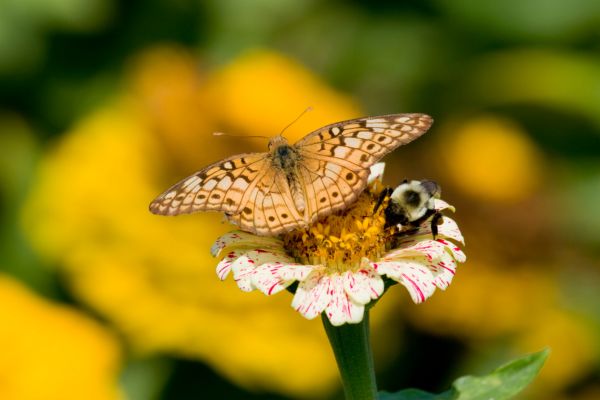
Both butterflies and bees prefer a wild garden where they can forage for nectar. Setting aside an area where the plants can be a little more chaotic is a great way to promote pollination from these two species.
So, resist the urge to tidy up and trim plants in the designated butterfly garden area and you may attract more visitors.
4. What Type of Plants to Grow in a Butterfly Garden
A good butterfly garden will have two sets of plants to keep the butterflies happy throughout their lifecycle. The adult female lays eggs in the host plants, and the plant material provides ample nutrition for the new caterpillar.
After the new butterflies emerge, they will need nectar-producing flowering plants to get their nutrition for flying and mating.
5. What Colours Attract Butterflies
Most butterflies have well-developed eyesight when it comes to recognizing bright colours. To attract them to your garden, it’s a good idea to plant similar plant colours together to make sure that they get the message that you have plenty of nectar in your garden.
6. Choose Plants That Vary in Height
Butterflies prefer to feed in areas where they have multiple opportunities for shelter and rest. To create these spaces, plant different sizes of plants in proximity to each other following the plant colour grouping tip above.
7. Choose Larger Bloom Plants
A single-bloom flower tends to produce larger volumes of nectar and they are easier for butterflies to access. These larger bloom plants are also an ideal location for butterflies to rest as they feed.
Adding some long or tubular flowers is a great way to vary the terrain for busy butterflies.

8. Have Both Perennials and Annuals in the Garden
To make the butterfly garden a viable habitat for butterflies throughout the year, you will need a succession of blooms. Adding different perennial and annual plants is the best way to keep the garden in bloom for longer.
9. Provide a Source of Water for the Butterflies
Butterflies need to hydrate too, so it makes good sense to have a place where you can provide a shallow water dish. Fill this with marbles to reduce the risk of a butterfly falling in the water and make it prettier for the kids.
This water should be freshened weekly and if you look closely, you may see butterflies standing on the marbles to drink.
10. Expect Munched Leaves During the Caterpillar Stage
Remember that the butterfly garden is a functional space, and you will see some munched leaves. Our instinct is to look for pests or to take other steps to “fix” the problem. Avoid this temptation because holes in leaves mean that the caterpillars are eating.
11. Create Mud Puddles in the Garden
This is a little harder to plan, but if you create a mud puddle you will have an extra source of nutrition for your butterflies. If you spill water around the watering area, leave it and you will be doing the butterflies a favour.
12. Install a Butterfly House
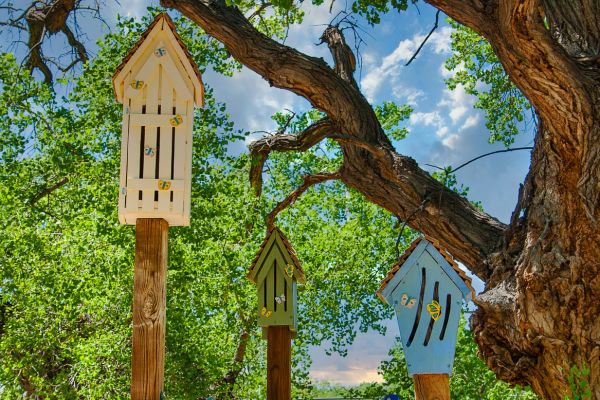
Installing a butterfly house may be the ultimate attraction for butterflies. If you have DIY skills, this can even be a family project and there is a real thrill if some butterflies decide to move in.
These twelve tips and tricks are effective attractors, but you want to make sure that your efforts are not wasted and that the butterflies are not harmed in your garden.
Remember that butterflies are insects, and any pesticides or herbicides can harm them. If you need to control pests in and around the butterfly garden remove them by hand.
Another solution is to make the area attractive to other pest predators including birds, lacewings, and ladybugs. Pulling weeds once a month should be sufficient to keep them at bay without using chemicals.
Selecting the Right Plants for the Butterfly Garden
Butterflies can perceive different shades of red and this is why they prefer brighter flowers in the red area of a color palette. These insects’ taste through their feet and they can be picky eaters. Each species has a preferred flower to feed on, but they can vary their diet a little if that flowering plant is in short supply.
Planting attractor flowers in various sizes and shapes can be effective, but if they will spread, like goldenrod or mint, you may want to plant them in containers. Certain attractive plants, such as milkweed may be hard to source, but you will have better luck in nurseries that specialize in local plants.
Adding certain trees and shrubs that an adult female will lay eggs on and that will be a source of food for the young caterpillars is extremely important. Some common examples include milkweed, thistles, dill, parsley, fennel, and others. The plants that you choose must be tailored to meet the needs of the butterflies native to your area.
Activities and Educational Opportunities for Your Kids
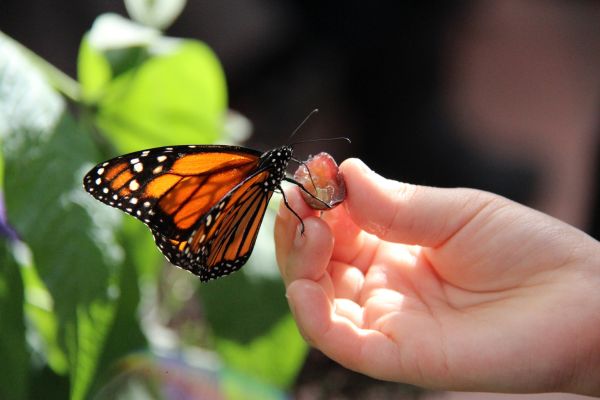
Planning and establishing a butterfly garden for kids is a great outdoor activity for all the family. But the real beauty of this environment is the ongoing opportunity for fun educational activities Some of our favourites:
● Observing the entire lifecycle from egg to caterpillar to chrysalis and the adult butterfly.
● Watching the butterflies pollinate and learning how this helps the other plants to grow.
● Learning which plants the butterflies like most and why.
● Spending plenty of quality time outdoors away from phones, video games, and the internet.
● Establishing a deeper connection with nature that kids can carry with them throughout their lives.
● Engaging in art projects to photograph and draw these fascinating creatures at different points in their lifecycle.
● Learn Facts about Butterflies
● Learning about butterfly symbolism which is prevalent in every human culture.
Wrapping Up – Butterfly Garden for Kids

As you can see, creating a butterfly garden for kids is a fun project that requires some planning to get it right. But the hard work is worth the effort when you start to see more butterflies and other intriguing creatures, such as ladybugs and dragonflies in your garden.
The increased level of pollination will benefit your other plants and more friendly bugs can help to keep pests away. Children will love having their own butterfly garden where they can observe and keep track of these fascinating creatures.

Author Bio: Anne Gilbertson is a work at home mum, working online building websites who in her spare time writes a blog about creating a butterfly and bee-friendly garden. Her garden is a place of enjoyment and relaxation to help balance working at home, family, and leisure. butterflybeegarden.com/