6 Important Things You Need To Know About Waste Management

Whether it is from commercial, industrial or residential properties, waste is something that everyone has to manage effectively in order to maintain a clean and safe environment. There are various negative consequences of inadequate waste management including:
- An increased risk of accidents due to dangers posed by hazardous materials and poorly stored waste
- Contaminated soil and water caused by harmful materials such as asbestos and lead
- More air pollution as a result of greenhouse gases being released by decomposing waste
- Pest infestations
- Adverse effects on wildlife; for example plastics entering the ocean and waterways can injure or poison animals
- Damage to human health
If you are interested in learning more about waste management and why it’s important, here are six important things you need to know about.
1. There Are Several Kinds of Waste
First of all, to ensure waste management is effective and improvements in the system can be made, people should understand there are many types of waste with some being more difficult to dispose of than others. However, many waste disposal companies such as Ku-ring-gai Skip Bins in Australia provide clear guidelines about how certain types of waste should be handled and disposed of. Generally, waste can be separated into the following seven categories:
- Construction waste created during building or renovation projects such as bricks, carpet, dirt, rubble, and tiles
- Electrical waste (also referred to as e-waste) includes old appliances, computer components, laptops, phones, and wiring
- Green waste from gardens and kitchens
- Hazardous waste containing materials that are corrosive, flammable, reactive, or toxic are mostly regulated by the government, therefore if you are unsure if waste is dangerous it is best to check with your local waste facility or council
- Household waste is also known as black bag waste from residential properties
- Medical waste produced by clinics, hospitals, and nursing homes
- Recyclable waste; a wide range of materials can be sorted and recycled at waste facilities, these typically include cardboard, glass, metal, paper, and plastic
When disposing of waste, it is important to research how it should be separated and disposed of safely in a way that is good for the environment and human health.
2. Waste Must be Sorted
For waste management to be truly effective, waste should be sorted by businesses and individuals well before it even gets picked up and taken to a waste management facility. To make sure this happens there are several nationwide and local laws and policies relating to how waste should be dealt with and sorted.

Sorting waste is an important first step in the management of waste, this is because it makes the process of disposing of or recycling waste much easier and cheaper when it goes to a waste management facility. Mixed waste causes contamination of different materials that could otherwise be used again if sorted correctly.
3. Some Waste Is Hazardous
Safety is an important concern when it comes to managing waste since various kinds of hazardous waste can cause damage to the environment or human health.
Typically, hazardous waste can be categorized into four groups:
- Listed waste; from commercial, industrial, and manufacturing processes, examples include dangerous chemicals, sludge, and wastewater
- Characteristic waste which is identified and labeled by their properties such as corrosivity, ignitability, reactivity and toxicity
- Universal waste oftentimes labeled as ‘dangerous goods’ includes items such as batteries, equipment containing mercury, light bulbs, and pesticides.
- Mixed waste containing both hazardous and radioactive materials
Due to there being a wide range of hazardous materials being present in various types of waste, it is essential to check if your waste is potentially dangerous before disposing of it. Once you figure out that hazardous wastes are present, make sure to properly sort and store them in specially designed containers that can handle such materials to prevent any leakage when you transport and dispose them.
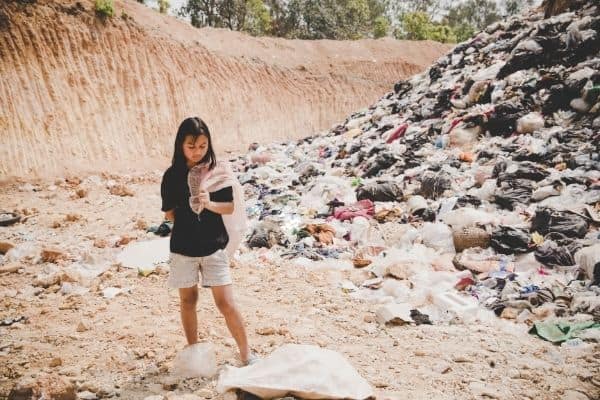
4. Landfills Are a Huge Problem
People have been burying their trash for thousands of years without too many long-lasting consequences, however since the types of waste being produced have changed significantly over the last 50 years, landfills have become a big problem.
Due to the sheer volume of waste now being created, landfills have become a danger to the environment and a main source of pollution. The main problems resulting from the use of landfills to dispose of trash include the release of greenhouse gases, leachate, and toxins causing air, soil, and water contamination.
5. The Five R’s of Waste Management
To combat the use of landfills and dangerous waste management, many governments and NGOs have introduced awareness campaigns and policies. One of the most well-known campaigns involves the five R’s of waste management which refers to refuse, reduce, reuse, repurpose and recycle.
6. Waste Management Laws
As a result of several accidents and environmental degradation associated with poor waste management, most national and local governments implemented laws on how to deal with both hazardous and non-hazardous waste. These laws aim to encourage responsible and safe waste management and are enforced by various agencies through inspections and potentially hefty fines.

Waste management is an important part of our lives that people usually overlook until something goes wrong. Whether you are disposing of household or commercial waste, it is important to know about several things such as the different types of waste, which waste is dangerous, and how it should be sorted and disposed of.