Get In On The Game – Alienware’s Tips For Parents

2020 has been a year like no other, and Australian families have had to change the way they live, work and learn. The importance of staying in touch with friends and other family members grew as physical distancing measures were introduced. A new survey by leading gaming PC brand, Alienware, discovered that many Australian families turned to gaming as a way to relax and remain connected.
The Alienware Gaming and Social Distancing Survey found that 762,000 Aussies started gaming during social distancing – that’s 4% of the population! As well, half of all respondents recognise that gaming is more than just ‘playtime’ – it has an educational element as well.
The survey also shows that gaming has evolved beyond just being a fun, entertaining and exciting pastime to a positive, constructive outlet that helps to strengthen relationships and build communities, all of which has a positive impact on our mental health generally, but especially while social distancing measures are in place.
With all the benefits gaming provides, it’s great to see so many more children and their parents take it up.
If you’d like to get in on the game, here are some tips from Alienware that can help you encourage the family to game in an educational and balanced way.
1. Gaming is Educational
Alienware’s survey revealed that three quarters of parents say video games can be useful for educating their children and that they see video games as a safe and social activity that allows them to connect with others. While gaming is definitely fun, research shows video games also help to improve a range of skills such as hand-eye coordination, motor skills, teamwork, leadership and strategic thinking.
Seek out games that are educational and use a variety of skills. Many video games are educational in nature, from maths and word-based games to historical and science-based games. These types of video games can help develop and nurture interest in a topic, or encourage children to take an interest in something they might otherwise not be interested in. They also expose children to logical thinking and problem-solving skills, providing an introduction into what it means to search, negotiate, plan and try different approaches to completing tasks.
2. Know the Games
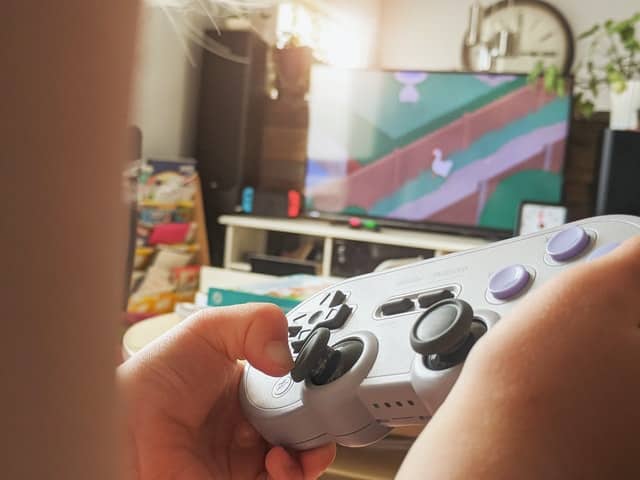
Understanding and being familiar with the video games children want to play will help inform choices about which games are appropriate. Just like other forms of entertainment, it’s important to look at the classification of each video game to determine its suitability for different age groups. Australian classification laws mean all video games must be classified – the same way as they are for movies and television programmes. Check the recommended age range on the video game as you would on any movie, toy or other type of game to ensure it’s the right educational level.
Asking your child questions such as “what the game is about?” and “why do you want to play it?” will also help identify their motivations and make it easier to suggest alternatives if needed.
3. Gaming is Social
As well as being an educational and instructional tool, the survey discovered that 75 per cent of parents said they see gaming as a safe social activity for their kids to connect with friends, which had a positive impact on their mental health and relationships.
Because of its ability to connect people through a common cause or activity, gaming is an ideal outlet for many during this time and has even been acknowledged by the World Health Organization as a healthy means of social connection during these challenging times.
4. Get in on the Game
The Alienware Gaming and Social Distancing Survey found 44% of parents said they also joined in the fun and played games and that their children taught them how to play a game. One in five respondents said gaming helped them connect with friends and 13 per cent say gaming helped them connect with family. To experience this in your own home, two-player games (or more) are a great way to spend fun, quality time together.
Playing along also means that you’ll learn and understand the game, so you’ll be able to be there for support. Games might be a tad tricky at times, so be ready to explain things to your child and ask questions to help them learn from the challenges each game brings.
5. It’s all About Balance
Just like any other hobby, setting boundaries and creating a schedule that balances gaming with other activities and responsibilities is key. However, it’s not just about the actual ‘screen time’ – it’s also about the type of content being consumed and when.
Understanding the game and how it’s played means you’ll know how much time your child will need to get through the next level or defeat the opposition with their team members – knowing if you allow them to start a League of Legends battle with their friends 15 minutes before dinner is ready, they won’t be at the table.
A great way to help kids engage with video games responsibly is to take an active interest in your child’s gaming – join in and play along with them!