Anxiety and Behaviour in children with additional needs

Anxiety is a huge problem for many children, especially for children with special needs and will affect the behaviour in children.
So much pressure is put on children today both socially and academically, is it really any wonder our children are more and more often feeling stressed and anxious.
Children with additional needs, such as Autism and ADHD suffer an even greater feeling of anxiety. Not only because there are so many external factors impacting on them such as, sensory challenges, social struggles and academic pressures, but on top of this they can also be much more susceptible to different emotions.
Children with Autism and ADHD have a huge need to please, so they get very upset and anxious when they think someone is unhappy with them. And sadly, because they spend so much time having negative focus on them, and being pulled up on all the little things they get wrong, this emotional struggle has more of an impact than ever. Not only increasing their anxiety but lowering their self esteem.
Unfortunately Anxiety impacts on many things in a child’s life.
It can cause sleep problems and self esteem issues, as well as depression and poor emotional regulation. This can then in turn result in bad behaviour, decreased achievements, and meltdowns.
So it’s really important to minimise anxiety as much as possible. Unfortunately this is no easy task, but fortunately it is achievable.
How to recognise anxiety
Learning how to recognise your child’s anxiety is the first step. If you’re aware that your child is feeling anxious it can help you to understand their behaviour and it will also help you empathise with them a little more.
Luckily there are many signs that show us when a child’s anxiety is rising. Such as:
- Excessive talking and interrupting
- Fidgeting more than usual
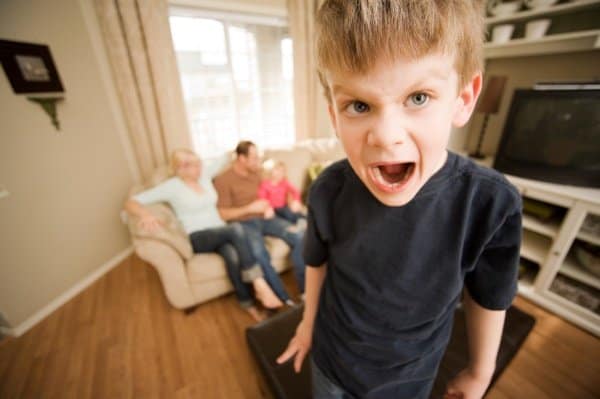
- Bad behaviour
- Making strange or silly noises
- Staring and / or becoming withdrawn
Children with ADHD can talk, interrupt and fidget excessively anyway, but when this appears to be even more so than normal that’s a sign that they could be feeling more anxious.
Bad behaviour is one of the biggest consequences of anxiety. If a child is feeling anxious, as their anxiety rises so will they’re poor behaviour.
Children with special needs can often make noises or do something called ‘stimming’. Stimming can be anything from making noises to hand flapping. Often they will do this as a way of releasing their anxiety.
However, for some children they might show their anxiety by becoming very withdrawn. They may start staring into space, or even staring through you.
How to reduce anxiety
Luckily, once you’ve recognised that your child is feeling anxious, there are things you can do to help reduce it.
Although it’s important to reduce anxiety short term, as they’re feeling it. It is also important to be able to reduce it long term. Reducing it long term will have the most benefit to helping with things like behaviour, sleep and academic progress and achievements.
Short term
If you notice their anxiety levels rising the first thing you can do is to change their environment. Take them into a different room with different lighting and different noise levels. If you’re at home and in the living room with noise coming from the TV for example, take them to a bedroom where it’s quiet and close the curtains or blinds.
Changing their environment can help with sensory challenges they may be having. Also, the sudden environmental change can be enough to rapidly decrease their anxiety.
Getting them to run can really help. Often when children are feeling anxious they need to run. This is why some children get labelled as ‘runners’, often when they’re anxiety is too high for them to handle the only thing they feel they can do is run. Running really helps increase dopamine levels in the brain which will help reduce anxiety.
Another short term thing you can do is getting your child to hum. Sitting somewhere quiet and humming can be very relaxing and meditative, which may help reduce anxiety. Speaking of meditation, a quick 1 minute meditate can really help. I know that can sound a bit complicated, strange even. But it’s really very simple, and the results have been proven to be well worth it. Simply get your child to sit down with their eyes closed, then tell them to just think about their breathing, to focus only on the feeling of their breath going in through their nose and then coming back out.
Some children, especially younger children or children with ADHD may only be able to do 10 seconds of this. And that’s absolutely fine. Often it can take practice to get to the point where they can sit their for a whole minute.
The thing that most helps my own son’s anxiety, is to give him a shoulder massage or a back scratch. Many children find massaging or gentle back scratching very relaxing, so it’s often worth a try. That being said, do be aware if your child is hypo-sensitive to touch as this could be a bit too much for them.
Long term
As much as we want to help lower our children’s anxiety when it starts rising, we really want to keep it low all the time. As much as possible anyway. So by implementing a few things, we can help keep their anxiety at a more manageable level, as much as possible anyway.
Often something that helps anxiety in the long term is dietary changes. Eliminating additives and making sure they are getting plenty of healthy foods and water is really beneficial.
Making sure they’re getting plenty of Omega 3. Omega 3 is really great for reducing anxiety but our kids just don’t get enough of it. So if they’re not eating 3 to 4 portions of oily fish a week, and lets’ face it most kids aren’t. Giving them a daily Omega 3 supplement can really help with this.
Getting plenty of sleep is really important as well, and lots of exercise. Unfortunately the general running around kids do at school with their friends doesn’t count, on top of this they should be getting around an hour’s exercise per day.
Doing a short meditation every day or even every other day can also really help anxiety. Even just doing some ‘mindfulness’ this can be as simple as heading out into the garden and blowing dandelions or smelling flowers.
Working on building their self esteem. Low self esteem has a real impact on a child’s anxiety. And as sad as it is, many children with special needs struggle with low self esteem, so working on building this up and giving lots of praise for even the smallest of achievements can be a great boost.
Written by Rebecca Perkins
Rebecca Perkins is the Founder of My Special Child, she is also mother to two boys, one of which has ADHD and is intellectually disabled. Rebecca has spent many years working within the special needs field and has qualifications in Psychology, Sociology and working with children with Autism. Rebecca is also an Author, Educator and Trainer, and has helped thousands of families all over the world. www.myspecialchildonline.com