Attached or Detached Granny Flat – What’s the Difference?

An accessory apartment, secondary dwelling, or granny flat, as we call them here in Australia, is a popular home addition when space is at a premium. Whether for guests, older children, multi-generational living or as an extra income through rent, granny flats can accommodate many different living situations while maintaining privacy.
Building a secondary dwelling on an existing property presents one fundamental question – attached or detached. Depending on your property’s size, the home’s layout and the amount of extra building space available, this will be your most crucial construction decision.
Want to dig further into the world of attached and detached granny flat designs? This article will explain the difference between the two.
What is a granny flat?
Planning NSW defines a secondary dwelling, or granny flat, as a self-contained dwelling located within, attached to, or separate from another dwelling on the same site. However, because a granny flat is classified as dual occupancy by Council, you cannot build them on a duplex or any plot of land with multiple dwellings.
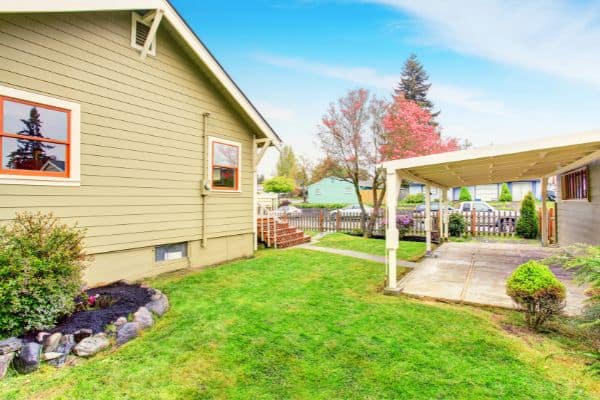
One of the main requirements for secondary dwelling development is the size of your property. You must have an area of at least 450m2, except when the secondary dwelling is located entirely within an existing dwelling house.
Other requirements:
- the sole secondary dwelling on the property
- maximum interior living space of 60m2
- maintain a height of 8.5 metres maximum
- courtyard space of 24 square metres
- maintain a 12-metre width at the building line of your current main house
- pedestrian access separate from the primary dwelling
- a setback of three metres from the rear of the main house and 0.9 metres from its side boundaries
- distance of three metres from any existing trees that have a height of more than six metres
State Environmental Planning Policy guidelines also require you to build your primary dwelling before your secondary.
We highly recommend contacting your local council for more information about building requirements and regulations.
Attached
A granny flat is “attached” if it is physically joined to the primary residence or built within it. An attached dwelling requires constructing an additional living space adjacent to your home or converting a piece of your existing residential structure into a living area. While attached granny flats are more appropriate for properties with limited land area, they are often more expensive than detached dwellings.
Detached
A detached granny flat is exactly what it sounds like–it’s a secondary dwelling that is not joined to the main house in any way. Affectionately known as a “granny suite,” these ancillary dwelling units are the most common detached dwellings.
Building A Granny Flat
There are many reasons to build a granny flat. From family and friends staying for the weekend, multi-generational living with elderly relatives, or reaping the benefits of live-in babysitters! While this does mean cutting back on the size of your backyard, the added space and flexibility for guests is a worthwhile investment.
With an ROI of around 10 to 20 per cent, building a granny flat rental on your existing property could net you a healthy income. Plus, it’ll also increase your property value by upwards of 30 per cent!
Secondary dwellings can also provide independent living for relatives with a disability through NDIS Funding, alongside cost-effective aged care, with approval from an Aged Care Assessment Team for subsidised at-home care.
If you’re planning on building a secondary dwelling, it’s time to start looking at granny flat designs for your future home. Or better yet, consider house plans with a granny flat attached to save you the effort of making room for one with your current home design.