7 Facts Parents Should Know About Baby Teeth

Having a baby is one of the most beautiful blessings anyone can receive. If you’re a first-time parent, the excitement could be palpable, and the joy is quite unexplainable. That’s what babies do; they make everything around them better with their presence.
However, babies can also give you sleepless nights. If you’re not prepared for it, you could be spending many hours worrying, and this can happen when they’re growing their baby teeth. One thing that can give you anxiety is a baby crying incessantly because of pain due to teething. Luckily, there’s pain relief for teething babies.
Here are some facts that you need to know as you prepare for the arrival of their milk teeth and a few tips for dealing with them.
1. At Birth, 20 Baby Teeth Are Hidden Beneath Your Baby’s Gums
A complete set of 20 teeth, 10 in the upper jaw and 10 in the lower jaw, are hidden in your baby’s soft pink gums. These are the following:
- Four second molars
- Four lateral incisors
- Four cuspids
- Four first molars
- Four central incisors
In rare instances, the baby is born with some of these teeth, which are called natal teeth. Do not worry as only one out of every 2,000 births is affected by this condition. Hence, it should not be a cause for alarm unless it impedes the baby’s swallowing ability. In that case, you need to bring the baby to a pediatric dentist.
2. Teething Begins at Six Months
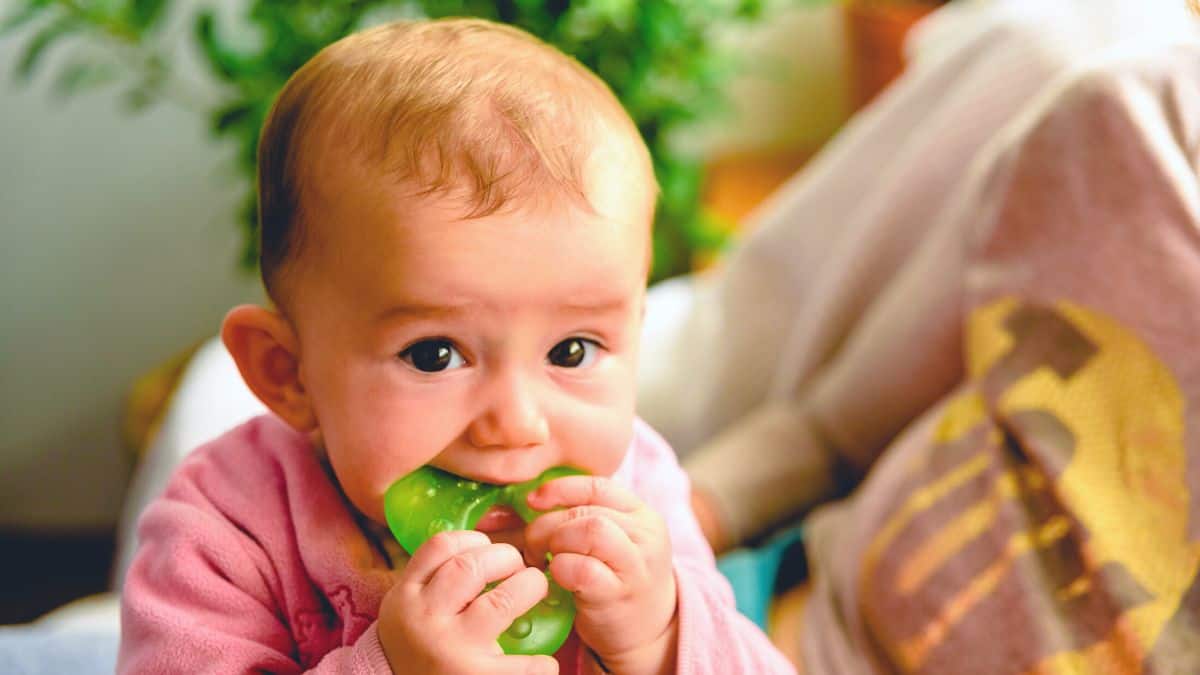
At six months, your baby’s primary teeth will start to come out, and alongside this comes pain and discomfort. Because the tooth is forcing its way out, it can be painful, and you’ll notice that your baby may begin to get fuzzy and may cry all the time.
You’ll also see that the gums are swollen and red. Occasionally, your baby may also drool significantly. You may also notice a particularly unusual behavior of rubbing their cheeks against something or pulling their ears. Since they can’t talk and communicate yet, they’ll do things on their own to soothe their pain. There are also instances when they can develop a low-grade fever.
To soothe your baby’s gums, give them a cold teething ring they can bite. Chewing on something will help alleviate their pain. You can also massage their gums using your clean fingers. This will also provide them with comfort and will allow them to sleep better.
3. You Can Still Breastfeed Once Their Teeth Comes Out
One worry of breastfeeding mums is the pain of breastfeeding once their babies develop teeth. However, this should not be the case because, as soon as a baby latches to feed, their tongue covers the bottom teeth and gums, preventing them from biting.
The only time they can bite you is when they’re not latched, which happens when they’re feeling playful or in pain due to teething.
4. Exclusively Breastfed Babies Are Less Likely to Develop Crooked Teeth
Breastfeeding is not only great for your baby’s immunity, but it also helps give them better-looking teeth when they grow. It has been noted in a study that exclusively breastfed babies are less likely to develop crooked teeth when they grow up.
This is due to the muscled mechanic being performed by babies when they suck during feeding. When they breastfeed, the baby uses their tongue, jaw, and facial muscles in a coordinated way. This strengthens the jaw and creates a better foundation for the proper alignment of permanent teeth.

5. Baby Teeth Provides Spacing for Permanent Teeth
One of baby teeth’s most essential roles is guiding the growth of permanent teeth. When the baby teeth fall out, their roots dissolve and become loose, so the permanent tooth can come out. If the baby’s tooth falls out too early, an irregular shift in the child’s mouth could result in crowding or uneven gaps.
6. Baby Tooth Decay Is Real
At six months, a baby can develop dental caries resulting in tooth decay. If not attended to appropriately, it can give the baby pain, which can affect their ability to eat and their overall health.
To prevent this, avoid giving them sugary drinks even if it’s dissolved in water, especially soda as this is very high in glucose and causes dental caries.
7. Your Child Will Start Losing Their Baby Teeth at Age Six
Losing baby teeth should begin by age six. Usually, the top and bottom front teeth are the first to be replaced by permanent ones. The lateral incisors, canines, the first and second molars will follow this.
Proper oral education is essential as soon as they start losing their baby teeth. They need to be oriented with appropriate oral hygiene and its importance to their overall health and confidence. This will help ensure that their permanent teeth will be healthy as they grow.
Conclusion
Whether you’re a new parent or not, you must enjoy this experience with your precious child, try to be relaxed, and not worry too much about things that can be addressed with simple hacks. Knowing the correct information and the best things to do when encountering them will give you a better time with your baby.