How to Balance Spices in Family-Friendly Indian Meals

Indian cuisine bursts with bold herbs and spices and rich flavours. But when you’re cooking for the whole family, too much heat can be a problem. Maybe you enjoy a bit of chilli, but the kids push their plates away.
The trick is learning how to balance those spices so everyone enjoys the meal.
Know Your Core Spices
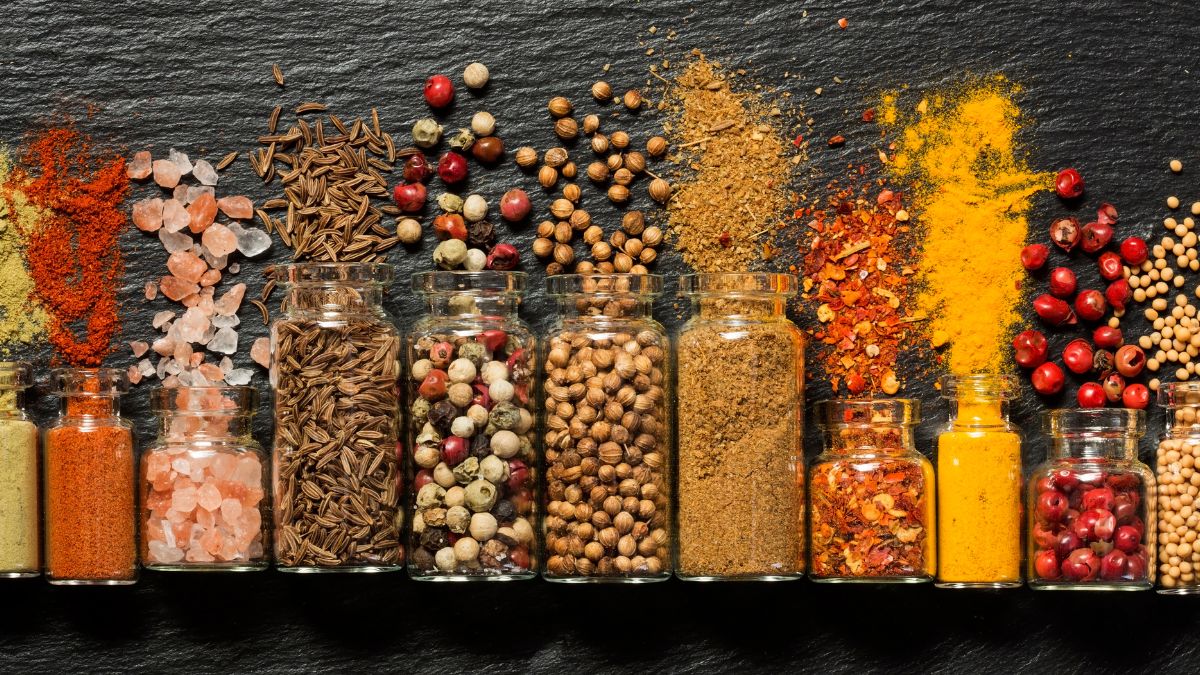
Start with the basics. Indian spices range from warm and earthy to sweet and floral. Cumin, coriander, turmeric, cinnamon, and cardamom, for instance, add depth without heat. These are perfect for young palates.
Go easy on the intensity, too. Skip chilli powder and black pepper. Instead, try whole spices like cumin seeds or cinnamon sticks. They infuse flavour gently and gradually.
To experience how spices can shine without too much heat, you can visit restaurants featuring Melbourne’s best South Indian cuisine. They capture the essence of authentic Indian gourmet cuisine, where ingredients like mustard seeds and fenugreek add depth, not fire. It’s something worth keeping in mind when cooking at home.
Start Small, Then Taste
It’s easier to add than to take away, so begin with less spice than the recipe calls for. Taste as you go. If it needs more kick, you can adjust later.
Try this method with spice blends, too. Use half the usual amount of garam masala or curry powder the first time. You can always stir in more near the end.
When in doubt, cook the spices in oil first. This helps release their flavours and softens any harsh edges. Roasting, toasting, or tempering can also take the bite out of strong spices.
Use Dairy to Soften the Blow
Dairy is your best friend in mellowing spice. Yoghurt, cream and coconut milk tone down heat and make sauces creamy and smooth.
Yoghurt marinades, for instance, are great for meat or paneer. They tenderise while gently reducing the intensity of the spices. And if a curry turns out too strong, add a spoonful of cream or coconut milk. It can save the dish.
Don’t forget raita. It’s a yoghurt-based side dish that cools the mouth after each bite. A simple cucumber raita can be a lifesaver when serving kids. Or serve a cold mango lassi alongside dinner. It’s creamy, cooling, and something kids love.
Focus on Flavour, Not Just Heat
Spice isn’t just about heat. It’s about layers of flavour. A well-balanced Indian dish builds warmth through many ingredients, not just chilli.
Use spice blends like garam masala for aroma rather than heat. Stir it in near the end of cooking to preserve its fragrance. For extra depth, consider a pinch of asafoetida or fennel seeds. They offer a unique twist without turning up the heat.
You can also pair spices with gentle, balanced dishes like chana masala or saag paneer. These meals let you showcase full-bodied flavour without overwhelming anyone at the table. Even dishes like tandoori chicken, marinated in cooling yoghurt and grilled for smoky depth, become kid-friendly when you simply go easy on the chilli.
Cook for the Mildest Palate First
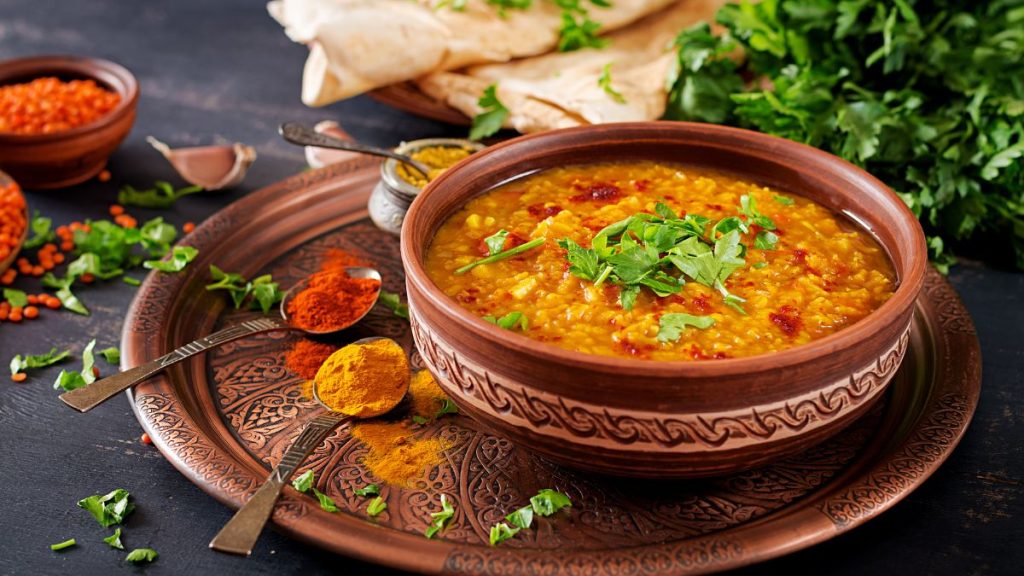
Here’s another handy trick: make the dish mild, then spice it up per plate. You can cook a gentle base curry that suits everyone. Then, serve chilli oil, sliced green chillies, or hot pickle on the side for those who want more heat.
This way, everyone eats together without compromise. No one has to miss out, and you’re not stuck making multiple meals. A one-pot meal like vegetable biryani works beautifully here. You can keep it mild for kids and offer spicy accompaniments for adults.
Add Sweetness or Acid for Balance
Acid cuts through the heat and adds brightness. So, by adding a splash of lemon juice or a bit of tomato puree, you can round out spicy dishes. A little sugar or honey can also soften a fiery curry without making it taste sweet.
Tamarind is another good option. It adds tang and helps control bold spices. So, add it gradually and adjust to taste.
Remember, balance is about harmony. A spicy meal should never feel like a challenge. It should feel like a warm hug with every bite.
Teach Kids About Spice Gradually
Kids don’t need to be afraid of spices. You can introduce them slowly through approachable dishes. Start with crowd-pleasers like butter chicken, dal makhani, or masala dosa that deliver rich flavour without any burn.
As you cook, let them smell and explore the spices. This builds both comfort and curiosity. And over time, they’ll get used to the flavours and even start to enjoy them.
You can also ease the transition by mixing familiar foods with gentle Indian seasonings. A mild chicken stir-fry with turmeric and cumin works well, as does adding a spoonful of curry powder to mashed potatoes. These small steps make the transition to authentic Indian recipes and flavour feel natural rather than intimidating for young tastebuds.
Keep It Fresh with Herbs
Fresh herbs lift and balance Indian cuisines by adding lightness to rich, warming spices. Take coriander, mint, and curry leaves as examples, each bringing its own character to the table.
A simple sprinkle of chopped coriander over any dish just before serving instantly brightens both colour and flavour. For spicier dishes, mint chutneys provide cooling relief while adding their own vibrant taste. Curry leaves offer something special when fried in oil, too, releasing a distinctive nutty, citrusy depth that can transform an entire curry or stir-fry. Even just a few leaves make a remarkable difference to the finished dish.
Final Thoughts
Getting the spice right is what makes Indian food so rewarding to cook and share. The key isn’t watering down flavours, but building them thoughtfully through cooling herbs, careful spice layering, and individual heat adjustments.
Start with mild flavours, then add heat if needed. With this approach, even picky eaters can grow to enjoy the richness of Indian cooking when spices are used with care.