7 Child Proofing Tips For Your Living Room

A standard living room has different furniture pieces, including coffee tables, bookshelves, desks, and couches. While having these objects around is normal and necessary, they may be an accident waiting to happen for your little ones.
In addition to the furniture, the staircase and fireplace are also potential hazards to your loved ones. These little ones can turn anything into a toy as they are unaware of the dangers posed by items like loose electric cords.
This guide presents seven tips to childproof your living room and make it safe for children to play in.
7 Child Proofing Tips For Your Living Room
1. Make Furniture Edges Softer
Sharp corners can injure children if they bump into them. Smoothening furniture edges can be turned into DIY projects or get the ready-made parts from the store.
Different families prefer varying tactics when softening the edges of their furniture. Below are options you might want to consider to protect your child from accidents caused by sharp furniture edges:
- Invest in padded, rubber, or silicone corner protectors.
- Buy edge/ corner guards.
- Cover the edges of your furniture with foam pipes used for plumbing.
- Cover the edges using hollow pool noodles.
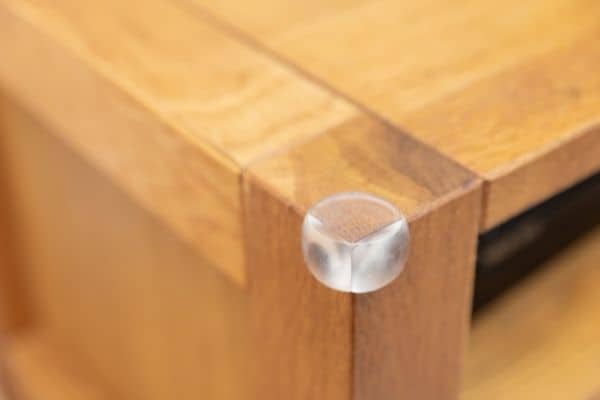
You can get these items from the hardware or baby stores. If you’re unable to fix them yourself, hire a baby proofing expert and brief them on how you want things done. Sofas in Sydney is also an option—that will help you realise your vision with their range of fully customised sofas.
2. Get Rid of Unstable Furniture or Other Objects
Sometimes getting a baby requires you to make some changes that may alter the outlook of your indoor space. Keeping away wobbly furniture or other unstable pieces like breakable vases and floor lamps is an essential part of babyproofing your living room. Your little one can hold on to these items for support or, when playing, cause breakages that result in injuries.
If you are unwilling to dispose of these items from your space, you can install baby gates around them or place them at positions that are out of reach for your child.
3. Declutter Your Space
Clutter creates an untidy mess in your living room. Children are drawn to any object on the floor or in reachable positions with their curiosity. You can avoid this by decluttering and rearranging your living room in a way that leaves enough space for your kid to move around.
Objects lying on the floor can throw your child off balance and hurt them after tripping. Those on the coffee table are easy to confuse for toys, and your little one may end up making a bigger mess after spilling them over the floor. You should, therefore, look for an alternative storage method for decluttered items or place them in lockable spaces.
4. Invest in Non-Slip Rugs
Tiled or hardwood floors can be slippery and risky for your child. However, non-slip rugs help break falls and make them less painful. Rugs add to your room’s décor while saving you from buying playmats.
When buying a rug for baby proofing purposes, invest in one with non-skid and non-slip qualities to maximise your baby’s safety. A rug pad equally comes in handy when you have a slippery rug that you don’t intend to replace.
5. Keep Your Devices Out of Reach
Electronic gadgets and devices easily attract children, causing two-way damage when they spoil, shock, or hurt your child in varying ways. The best method of babyproofing them is storing them in higher positions out of their reach. If you cannot purchase a new cabinet or build a shelf to store these gadgets in, put them in a specific basket or container.

6. Secure the Television
The best way to secure your TV is to mount them on your wall, fasten with tension straps, or build a baby shed around the TV stand. Again, you can turn this into a DIY project or get an expert to do it professionally.
Ensure all loose cords are unreachable for the baby. Keep them fastened against the wall or covered with a safety mask. When mounting your television, you should place it closer to the power outlet to avoid spreading loose electric cords all over the house.
7. Invest in a Restrictive Gate
Whether built around the television stand, fireplace, or staircase, a restrictive gate is an essential babyproofing item for your living room. They prevent your baby from accessing areas with breakable objects or electronics. You can also select the most conducive part of the house and station a playpen with a restrictive gate that bars your child from moving to other parts of the house unmonitored.
Conclusion
Your child’s safety is paramount in the living room. However, you have to maintain it without interfering with their playtime or limiting their space. This calls for vast creativity when baby proofing, and you may have to add or eliminate some objects to keep the baby safe. Most of the suggested methods are DIY tasks, but it doesn’t hurt to ask for help from experts.