Common Coffee Brewing Mistakes That You Need to Avoid

Making mistakes brewing your coffee can be a real bummer. You wake up and you have that great cup of joe in hand, but then you take a sip and it’s just not the same. If this sounds like something that has happened to you, don’t worry! With these tips, brewing mistakes won’t happen again.
Using the wrong type of coffee
Using the right type of coffee can make a huge difference in the brewing process. It is tempting to substitute coffee beans that are on sale for more expensive ones, but it may not work well with your brewing equipment and taste preferences. It might be better to drink instant instead of brewing a bad cup of coffee!
Consider what type you want. Do you like darker or lighter roasts? Do you prefer regular or decaffeinated? If there’s a new flavor available, consider giving it a try before deciding which one suits your tastes best. You can find out about all the different types here, where you will get a detailed description which should help you when shopping. Your favorite black coffee blend could change as time goes by!
Here is a list of coffee types you should give a chance to:
- Light Roasts
- Dark Roasts
- Decaf Coffee
- Organic Coffee Beans
- Flavored Coffee
- Single Origin Coffee
- Ground
- Whole Bean
Brewing coffee too strong or too weak by using more or fewer ground beans
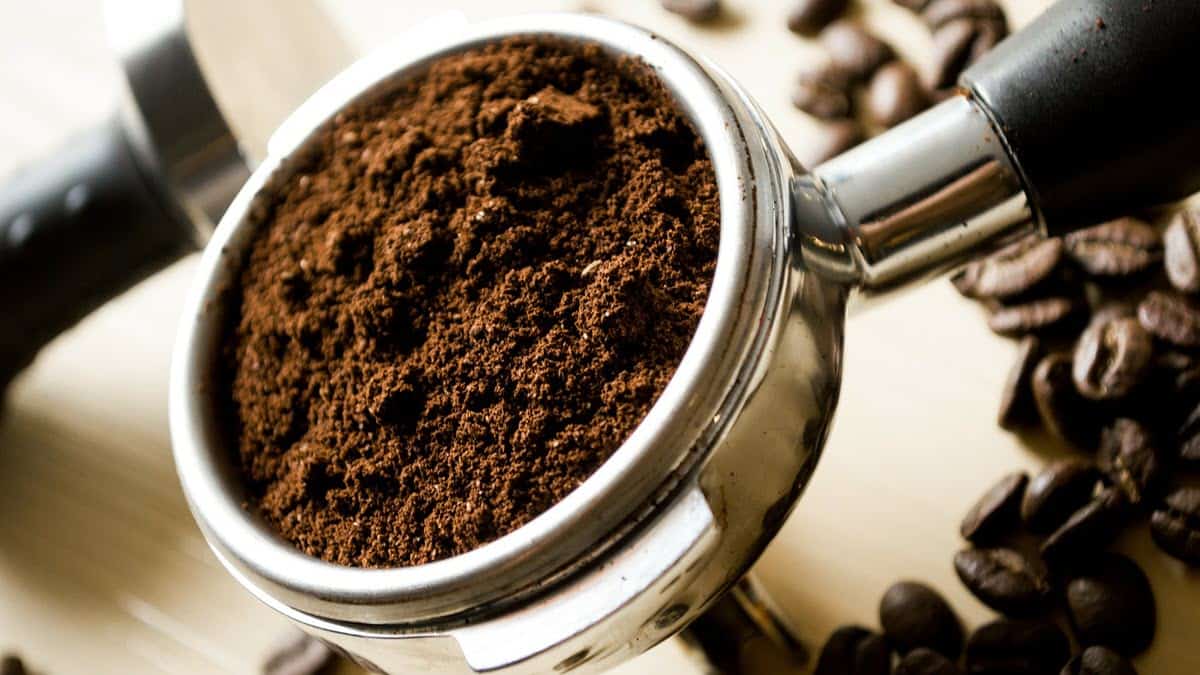
Messing up the number of coffee grounds that you use in brewing your coffee can make it too strong or too weak. If the coffee is not brewed correctly, there will be an unpleasant taste and flavor to the end product.
If you want a stronger brew, then add more ground beans than normal for brewing one cup of water at once. Conversely, if you prefer weaker coffee with less caffeine content, use fewer grounds per brewing session (or just drink two cups instead). The best way to measure it out is to use one level tablespoon per brewing cup.
Not preheating your mug before brewing and waiting to drink it afterward
Too many people make this mistake when brewing their coffee. Warm your mug before brewing by filling it with hot water and waiting for a minute or two, then pour out the water. Not only will this make your coffee taste better but it’ll also be warmer when it’s done brewing. This small change will make brewing your coffee a much more enjoyable experience.
Adding milk after brewing instead of before because it creates a better foam on top
Never add milk after brewing your coffee. Milk is meant to be added before brewing. When you wait, the milk will burn and create a bad taste in your coffee.
If you still prefer adding milk after brewing here is what you have to do:
Pour hot water into the cup with grounds first. Wait ten seconds for it to brew and then add cold milk or cream on top of the foam that has formed by this point. The heat from brewing should make it rise up without getting burned when heated again by adding liquid on top of it.
Add as much or as little of both liquids as desired but do not mix them together until they are ready to drink so that each ingredient retains its flavor profile separately and evenly distributed amongst all parts instead of concentrating one aspect more than another.
Using tap water
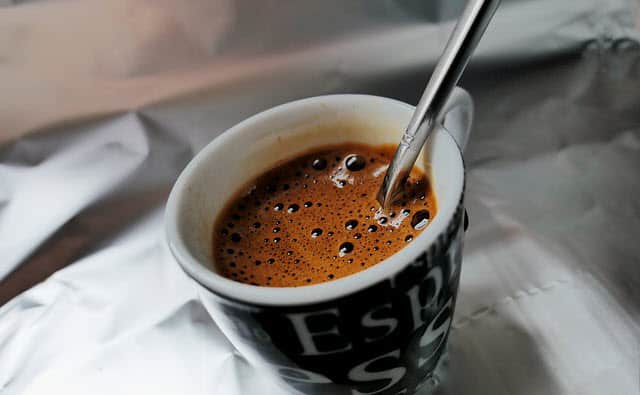
A very common mistake that many people make is brewing coffee with tap water. Tap water contains a lot of minerals and other components that can be detrimental to the taste of your coffee. All types of coffees should be made using filtered or bottled water to avoid making this mistake at home. This way, you can enjoy brewing your coffee to the fullest, without worrying about tap water affecting its taste.
Brewing with dirty or old filters
Never reuse old coffee filters. They are more likely to contain bacteria that can make you sick. Old water will give your coffee a bad taste and texture, so don’t use it for brewing again! Always remember to replace the filter in your coffeemaker every couple of months as well. This way you’ll be brewing the freshest coffee possible.
Brewing on the wrong temperature
Many people mess up brewing their coffee by brewing it at the wrong temperature. Though brewing at too low of a temp will result in an unpleasant, weak flavor and brewing at too high of a temp can lead to over-extraction resulting in bitter flavors, most people mess up brewing when they try to brew with water that’s either too hot or cold. To avoid this brewing mistake don’t boil your water for more than 30 seconds before pouring it through the grounds.
So there you have it. The next time you want to enjoy a cup of coffee, make sure that the beans are fresh and ground just before brewing, use your favorite mug or preheat it first if it’s cold outside, add milk right after brewing (not beforehand), don’t forget about filters and try using bottled water instead of tap water when possible. If all else fails then experiment with different types of beans until you find one that suits your tastes best!