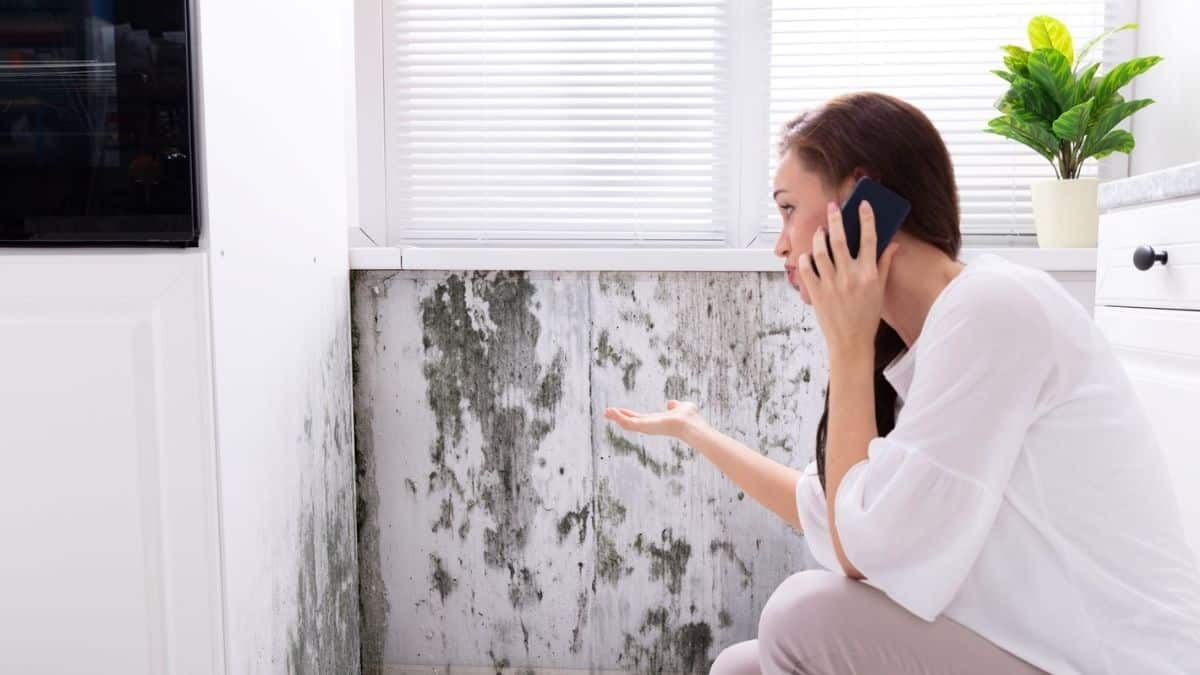
4 Dangers Of Living In A Home With Mould

Indoor exposure to hazardous elements in a house may severely influence one’s health. And besides, the typical person spends 16 hours per day inside the home. Moreover, that time increases for those under the age of seven and those over the age of 64. Among these hazardous elements are mould.
Mould is more prone to develop in the darkest and deepest areas of the house. Additionally, it’s more than a health concern, as it may cause structural damage to your home.
This article will explain what mould is and the dangers it could bring to your home.
What is mould?
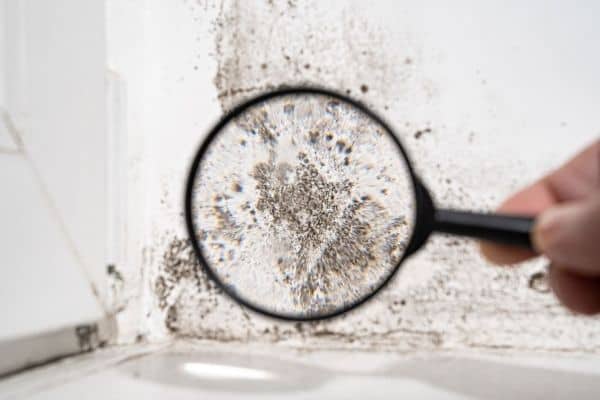
In its most basic definition, moulds are fungi. They live in moist, inadequately ventilated places and propagate through the production of spores. Furthermore, mould spores are normally safe in tiny quantities. But if they fall in a moist area of your house, they may begin to proliferate.
Many distinct varieties of mould may appear both inside and outside the home. The exact number of mould species is unknown, but scientists believe they have existed on the planet for centuries. Certain types are more probable to emerge in the household than others.
Mould can be found in practically any material or environment where moisture and oxygen exist in sufficient quantities. Mould can live by eating the material on which they’re living. They may survive and multiply on various surfaces, including wood, papers, as well as different kinds of flooring and textiles.
Detecting mould issues in the house aren’t always simple since it might seem like a stain, smear, or discolouration at first glance. Moulds that are most often seen in the household are black, green, and white in colour.
Mould may be seen growing in the following areas in your home:
- Bathrooms and kitchens
- Behind or under appliances
- Ceiling with roof leaks
- Window sills
What are the risks of having mould in your home?
Due to the microscopic nature of mould, they can easily invade your house and pose a danger to your family. Without the homeowner’s knowledge, they may easily spread out and do harm to them. This is particularly true if one is unaware of the symptoms and dangers that indicate the presence of mould in the environment.
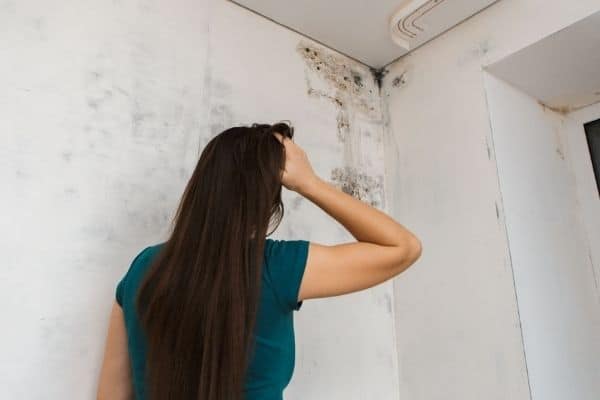
Here are some of the dangers of living with mould in your home:
1. Develop various respiratory health problems
Contact to mouldy surroundings may have unfavourable health consequences, especially to the respiratory system. Although not everyone is vulnerable to mould, some individuals may suffer severe health repercussions of mould exposure and develop serious medical issues.
Moreover, there’s ample research indicating inhabitants of mouldy structures are at a greater danger of respiratory illnesses, infections, and asthma aggravation. Other than that, certain research shows that allergic rhinitis and asthma are more prevalent in this demographic.
Furthermore, a person sensitive to or allergic to mould may exhibit symptoms similar to those associated with other allergens, like rhinitis or seasonal allergies. These symptoms may include:
- Blocked or runny nose
- Itchy nose
- Watery eyes
- Sneezing
- Itchy throat
In addition, multiple allergy and respiratory symptoms were consistently associated with visible dampness and mould. Studies show that a significant fraction of the globe’s 300 million paediatric asthma cases is linked to mould contact.
Additionally, Stachybotrys chartarum, the most notorious form of mould, was connected to a deadly respiratory ailment in 1994. This occurred after ten children had idiopathic pulmonary haemosiderosis or lung bleeding. However, additional research is required to determine the etiology of acute idiopathic bleeding.
2. The risk of Aspergillosis
Aspergillosis is a dangerous health disease caused by a type of mould—Aspergillus. This disease may be fatal if not treated promptly. The majority of individuals are unaffected by inhaling the spores of this mould. However, those with a compromised immune system or pre-existing lung illness may have a serious reaction.
Moreover, Aspergillosis comes in a variety of types:
- Allergic bronchopulmonary aspergillosis (ABPA) is a fungal infection that impacts the lungs and may result in breathing difficulties.
- Allergic aspergillus sinusitis is a condition that involves the nose and may result in a severe headache.
- Aspergilloma or fungus ball may result in a bloody cough and breathing difficulties.
- Chronic pulmonary aspergillosis is characterized by respiratory difficulties and weight loss.
3. Affect the mood
Research released in August 2007 examined the association between mould exposure and depression. The study showed that dampness and mould were linked to depression, regardless of the person or home variables. This link was mediated separately by one’s impression of authority over one’s house and by one’s overall fitness.
The authors couldn’t identify a clear link between mould and the beginning or incidence of depression. However, they did discover that individuals who lived in wet, mouldy houses were more prone to be depressed.
Furthermore, according to the research, this was probably owing to the physiological concerns individuals experienced as a consequence of their mould exposure. Moreover, another factor that adds to it is the impression of a lack of power over their dwelling environment.
4. Damage to property
The mould may take its toll on its environment as soon as it establishes its source in a particular place. This may result in significant harm to your home’s structural stability. Moreover, possible indicators of mould damage include:
- Damaged hardwood floors
- Discolouration of the walls and ceilings
- Condensation on the windows and walls
Additionally, it’s linked with a pungent, musty stench. People who are extremely susceptible to strong scents will immediately notice this.
Furthermore, because mould won’t disappear by itself, you’re responsible for locating the mould and contacting expert mould treatment services. You’re also responsible for the following tasks:
- Inspection of mouldy areas
- Decluttering the premises if there are things posing a mould risk
- Reducing the moisture content of the house or structure
- Ensuring that the house has enough air circulation
If you suspect mould growth in your home, don’t stop looking until you’ve found it. Additionally, you may contact expert mould removal companies to examine, treat, and prevent future outbreaks.
Conclusion
Mould spores may be present in all damp indoor surroundings, yet most individuals are unaffected by them. However, those with a weak immune response may be at an increased risk of sickness, particularly lung difficulties, if mould is present in the area. Moreover, other individuals may have allergic responses.
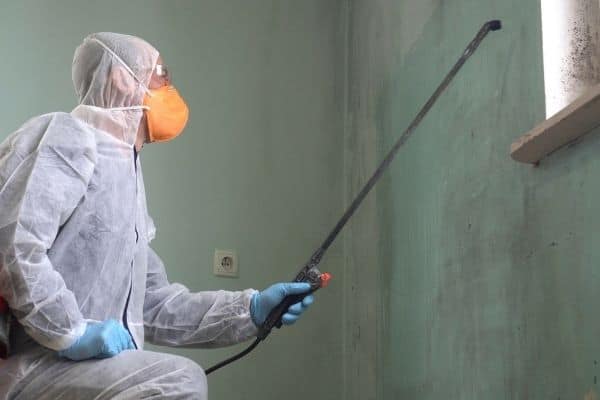
While it’s important to be proactive in determining the area of the mould infestation, trying to remedy a severe case on your own may not be a wise option since it presents considerable health hazards to everyone. So, if you have visible signs of mould in your home, it’s always recommended to employ the help of a professional. Any reputable mould removal company will offer a free mould inspection to help assess your needs before providing a tailored and effective treatment plan.