6 Important Things You Need to Know about the Device for Treating Sleep Apnea Disorders

Sleep apnea is a condition that happens while sleeping, where a person’s breathing is repeatedly interrupted. This critical disorder can cause numerous health issues, such as hypertension, diabetes, and heart attacks. People suffering from sleep apnea might feel tired during the day or have difficulty focusing while working, studying, or performing physical activities. Many factors contribute to sleep apnea like being overweight and having nasal obstructions or a large neck, among other things. There are many methods that can help with this sleep disorder like oral devices, so here are a few things to keep in mind before getting an oral device to treat sleep apnea.
1. Find the Right Device
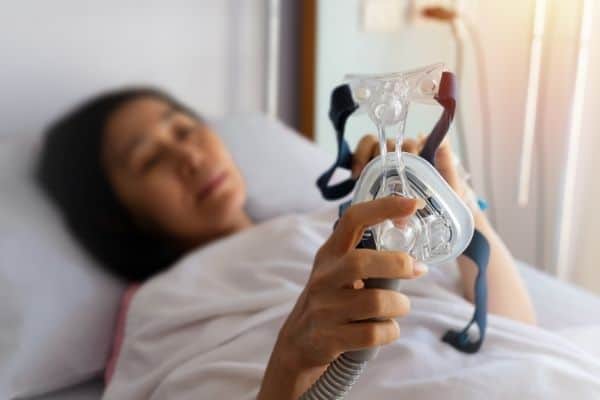
One of the most famous devices is a continuous positive airway pressure or CPAP machine. The mechanism it works by is pushing high-pressured air through your nostrils. This pressured air is sufficient to open your airway passages during the night, which helps in preventing sleep apnea and snoring. There are other forms of therapy devices that you can use in case CPAP machines aren’t a good solution for your sleeping problem. You should consider trying several devices before you settle on the right one.
2. Keeping Your Device Clean
With all the air that you are breathing in and out through your device, it is prone to collect germs, moisture, and dirt, which must be cleaned out regularly. You might want to spend some time searching for the Best CPAP Cleaner that can make this task a lot easier for you to perform. Neglecting the cleaning process may lead to harmful side effects like respiratory infections, allergies, and even pneumonia. Consider cleaning your device at least once a week and remember to keep it dry at all times to avoid the growth of bacteria and mold.
3. Taking Time to Get Used to Your Device
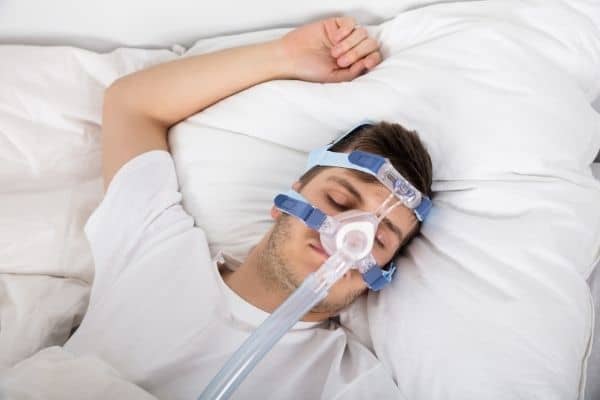
It will take time for you to get used to sleeping with a face mask through the night. Many CPAP users may get frustrated and even end up losing sleep because they are not used to wearing the device. There are some tips you can use to help yourself adapt to having a machine connected to your face while you sleep. During the day, you can try wearing your mask for short periods of time. Once you get used to it, try attaching the hose to your mask and turning your device on for a while. You might want to take naps while using your device to help you get adjusted to it at night.
4. Having Dry Mouth and Nose
Having a loose-fitting mask can lead to air leakage, which could cause your mouth and nose to dry out. Consider tightening your mask straps to better fit your face without making it too tight as to cause skin irritation. If you’re using a nasal mask, try attaching a chin strap to help keep your mouth closed or consider using a full-face mask. You can also use a CPAP with a heated humidifier which will help you avoid mouth and nose dryness.
5. Having Difficulty in Sleeping
It seems contradictory to get a device to help with your sleeping disorder only to find it difficult to fall asleep with. The problem lies with not being able to adjust to the face mask and having a hard time withstanding the forced high-pressured air through your nostrils. That is why it is important to train yourself to wear your device for short periods of time during the day. Once you get the hang of it, you should have no trouble reaping the benefits of your sleep apnea machine throughout the night.
6. Unplugging Your Device
You might find yourself getting up at night to remove your mask because it was irritating or made your nose congested. In that case, you can try and see which type of mask fits you better: a full-face mask or a nasal mask with a chin strap. Sometimes, despite making sure it is well fitted, your mask might be removed as you toss and turn in your sleep. If this is a recurring problem, try to set an alarm at least once at night to check that your device is still attached.
While sleep apnea is a serious disorder, there are various treatments that can help keep it under control. It is important to be educated about the different problems you might face with sleep apnea devices. It can be helpful to write a pros and cons list for each device or discuss the matter with your doctor to decide which device is best suited for you.