Do Bug Zappers Work for Mosquitoes, Flies and Family Homes?

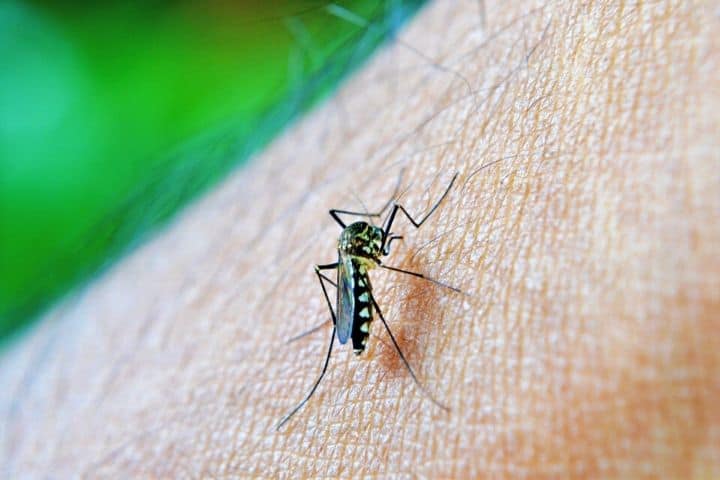
Bug zappers kill some flying insects, but ordinary UV zappers are a poor choice for preventing mosquito bites. They may catch light-attracted flies and moths. A full tray of dead insects does not mean your family is protected from mozzies.
Updated October 2026
For a family barbecue or a backyard play session, start with screens, suitable repellent and reducing standing water. If you already own a zapper, treat it as an extra insect-control tool with limits, rather than your main defence against bites.
Do bug zappers work? A quick guide
| What you want to control | What to expect | Better first step |
|---|---|---|
| Mosquito bites | UV zappers collect relatively few mosquitoes; they do not reliably protect people from bites. | Screens, protective clothing and label-approved repellent. |
| Light-attracted flying insects | Some can be attracted and killed if they enter the grid. | Identify the pest and remove its food or breeding source. |
| Houseflies indoors | A suitable insect-control unit may catch some flies, but cannot fix an open bin or unscreened doorway. | Cover food, empty bins and screen entry points. |
| Wasps around a nest | Do not rely on a zapper or use it to disturb a nest. | Keep children away and get advice from a pest professional. |
Why UV bug zappers are poor mosquito protection
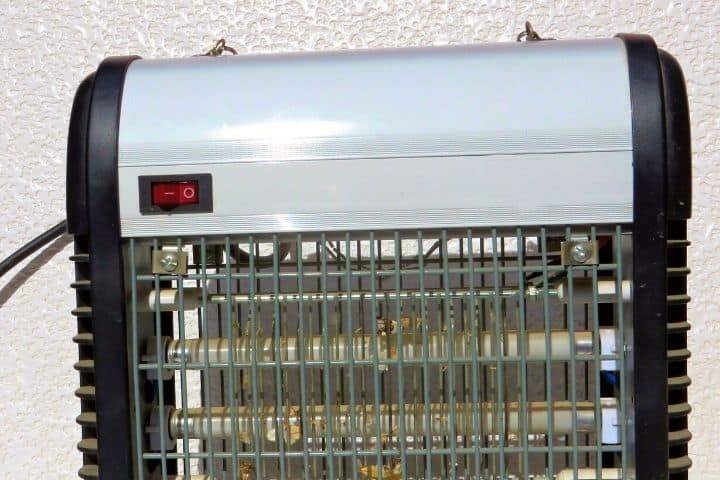
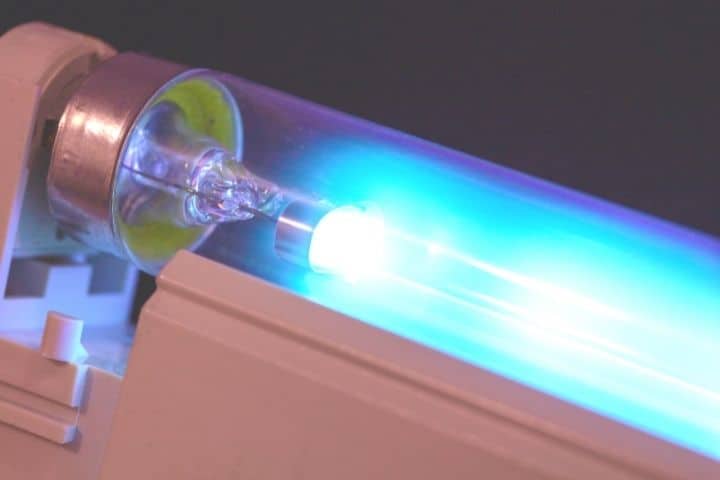
A conventional zapper uses a light to attract insects to an electrified grid. It can only kill an insect that reaches the grid. The crackling sound confirms that something has made contact; it does not identify the insect or measure how many bites you have avoided.
NSW Health Pathology explains that mosquitoes make up a small proportion of insects collected by bright-light zappers. Mosquito traps baited with carbon dioxide are a different type of device, and even those have limitations for home mosquito control.
That distinction matters when you are shopping. A product described as a mosquito lamp may use UV, a fan, an electrified grid, an attractant or a combination. Read the actual mechanism, rather than assuming every lamp offers the same protection. A claimed coverage area is not a bite-free zone.
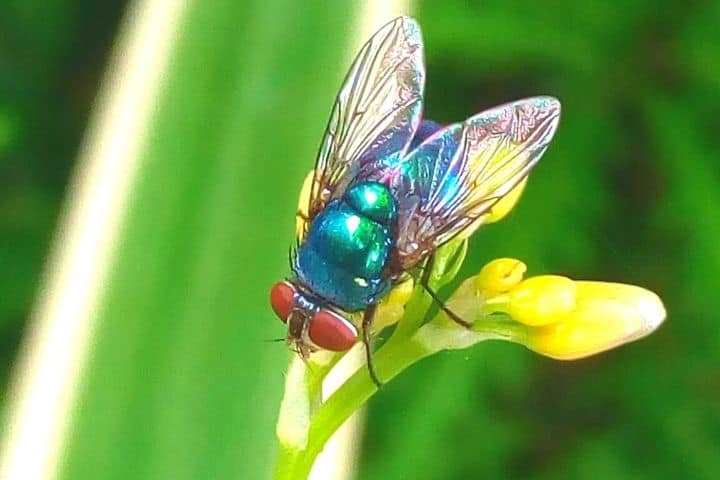
Do bug zappers work on flies?
They can catch some flies, especially species drawn to their light. Results depend on the insect, placement and the design of the unit. A zapper does not collect every fly in a room, and an outdoor unit cannot stop flies arriving at your lunch table.
In a family kitchen, first deal with ripe fruit, pet food, food scraps and dirty bins. Close doors or fit screens. If tiny flies keep appearing around a drain or fruit bowl, find the source rather than buying a stronger lamp. Different flies need different controls.
Keep any electric insect killer away from food preparation and serving areas, and follow its mounting instructions. Choose a unit intended for the space where you will use it. Outdoor and indoor ratings are not interchangeable.
Do bug zappers work during the day?
A powered zapper can still kill an insect that touches its grid during daylight. Its attraction to insects may be less noticeable when competing with bright surrounding light. At night the lamp can stand out more, but that does not make it reliable mosquito protection.
Do not keep a room unnecessarily dark or leave a door open just to lure insects towards it. Screens stop entry without creating a new electrical appliance to maintain. For a patio, the unit’s manual should decide placement, weather exposure and operating hours.
What works better for a family home?
Keep mosquitoes out and reduce breeding spots
Walk around the yard after rain. Tip out containers that collect water, check pot saucers and remove forgotten buckets or toys holding water. Maintain screens on doors, windows and rainwater tanks. These are useful jobs to build into the weekly outdoor tidy-up, with adults handling gutters and other hard-to-reach areas.
Use repellent according to the label
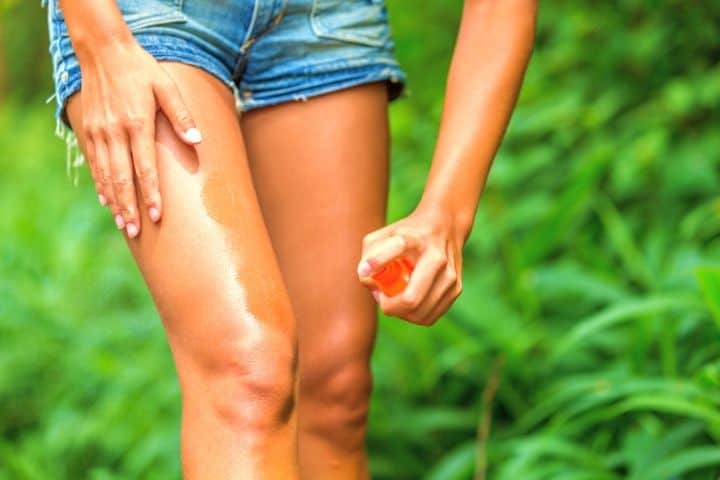
Queensland Health’s repellent advice explains how to apply mosquito repellent properly. Choose a product with instructions suitable for the person’s age and follow its reapplication directions. Adult products and children’s products are not automatically interchangeable.
For babies, ask a pharmacist, GP or maternal and child health nurse which options fit their age. Do not improvise a homemade essential-oil mixture or assume that “natural” means suitable for a baby. Loose clothing and screens are practical parts of protection too.
Look at the source of the problem
Lots of flies near a bin call for bin hygiene. Mosquitoes appearing indoors call for checking entry points and nearby water. A wasp nest needs distance and professional advice. Naming the problem before shopping saves money and avoids adding a gadget that does little for the pest you actually have.
Child, pet and electrical safety
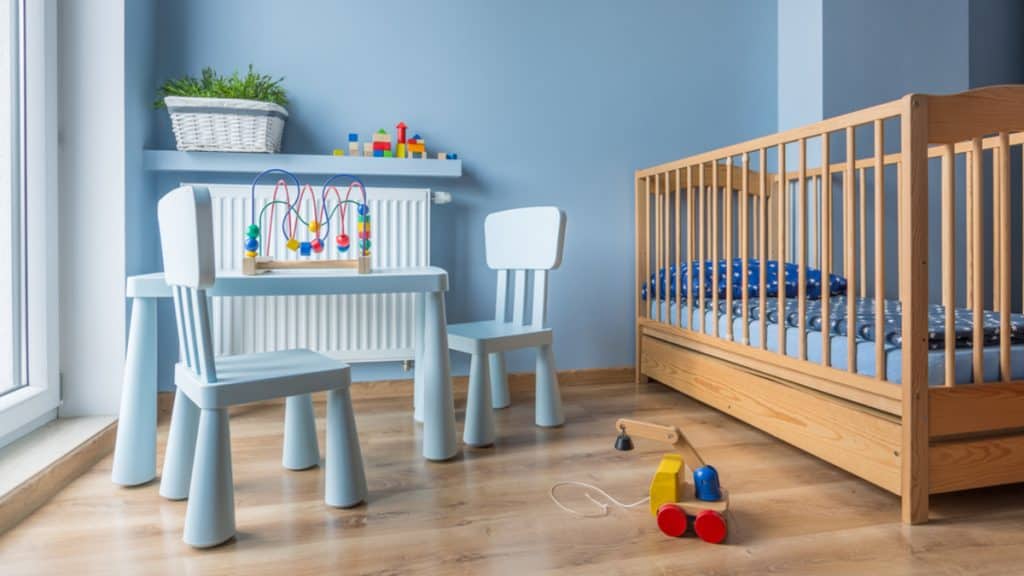
A bug zapper is an electrical appliance with a high-voltage grid, even when that grid sits behind a guard. Keep the appliance and its lead out of children’s reach, including from a chair or climbing frame. Do not let a child hold a racket-style zapper or poke at a lamp with a stick. Our guide to bug-zapper injury risks explains why touching the grid is unsafe.
Use only equipment rated for its location. Stop using a unit with damaged guards, a cracked casing or a frayed lead. Queensland’s electrical safety at home guidance covers safe appliance use and maintenance; its child electrical safety advice is also useful when setting up equipment around a play area.
Pets need space too. If your dog is distressed by the sound, move the appliance out of the animal’s resting area or stop using it. Our guide to dogs and bug-zapper noise discusses that household problem.
Never assume a device can stay outside in rain. Check the manual and rating. See whether a bug zapper can get wet and follow the instructions for your exact unit. Do not continue using equipment that has suffered water damage.
Is a bug zapper worth buying?
It may suit someone trying to reduce particular light-attracted flying insects in a suitable location. For families mainly trying to avoid mosquito bites, it is a lower priority than screens and correctly used repellent. You do not need a zapper to make a basic mosquito-prevention plan.
If you are comparing equipment, read our bug-zapper buying guide with these limitations in mind. Already have one that seems faulty? Our safe troubleshooting guide explains the checks you can make without opening it.
Frequently asked questions
Do bug zappers really work for mosquitoes?
They may kill a few, but UV zappers do not reliably prevent bites. Use mosquito-prevention measures recommended by Australian health authorities rather than judging protection by the number of insects in the tray.
Do bug zappers work on flies during the day?
They can kill a fly that contacts the grid while powered. Catch rates vary, and daylight may reduce the light’s attraction. Food hygiene and screens remain useful whether it is day or night.
Do bug zappers work for wasps?
Do not rely on one to manage wasps or a nest. Keep children and pets away from the nest and arrange appropriate pest advice. Trying to disturb it with a zapper can expose people to stings.
Should I leave my bug zapper on all night?
Only operate it as its manual allows, in its approved location. Overnight use is not automatically safe for every model, and a lit lamp does not provide guaranteed mosquito protection.
How do I know if my bug zapper is working?
Check its power and indicator behaviour against the manual, and observe from outside the guard. Light alone does not prove the killing circuit works. Never test it by touching or bridging the grid.
Original image downloads
The original article images are kept here as downloads. They are illustrative and do not show repair instructions.