Do Humidifiers Work? Benefits, Limits and Safe Use

Yes, humidifiers work by adding moisture to indoor air. They may make a genuinely dry room more comfortable, but they are not a cure for colds, a way to prevent infection or an air purifier. If the room is already damp, adding more moisture can make conditions worse.
Updated October 2026.
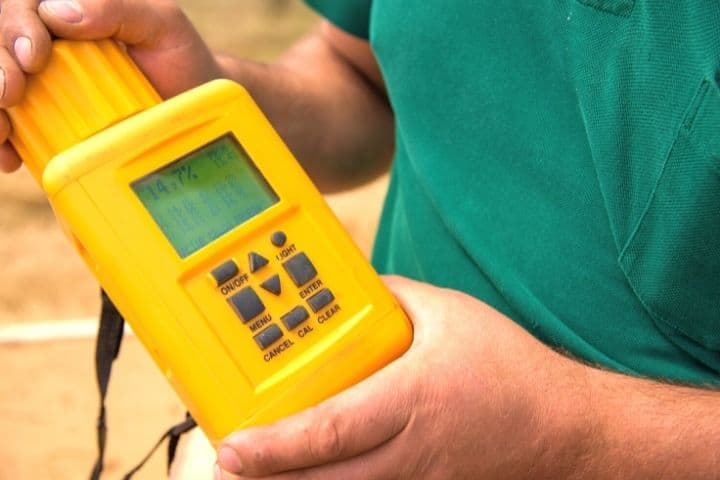
Before buying one, check the room rather than guessing from a blocked nose or dry skin. A hygrometer measures relative humidity; take readings at different times and look for condensation or damp surfaces. Symptoms can have other causes, so persistent discomfort deserves advice from a health professional.
Is a humidifier useful for your situation?
| Your main concern | What to consider |
|---|---|
| A dry room and discomfort linked to dry air | A clean humidifier may improve comfort; monitor the room and your response. |
| A baby or child with a cold | Seek appropriate symptom advice. A humidifier does not cure the infection. |
| Condensation, damp bedding or mould | Stop adding moisture and address the source of dampness. |
| Bushfire smoke or other airborne pollution | A humidifier does not filter smoke particles. Follow health advice about exposure and filtration. |
| No clear moisture problem | You may not need a humidifier at all. |
What can a humidifier actually help with?
MedlinePlus explains that humidifying dry air can ease discomfort in the nose and throat. Australian guidance also recognises a limited comfort role: healthdirect notes that added air moisture might help stop eyes drying out. These are possible comfort benefits, not a diagnosis. If your room feels dry and measured humidity supports that observation, a short, monitored trial may help you decide whether the appliance is useful.
Ask yourself what you expect to change. “The room feels less dry” is something you can observe. “My family will stop catching viruses” is a much bigger claim. Laboratory findings about humidity and viruses do not establish that a home appliance will prevent illness in your household.

If you develop repeated nosebleeds, ongoing coughing, wheezing or other persistent symptoms, speak with your GP. If symptoms start or worsen when the unit runs, switch it off and seek advice. Do not keep increasing the mist because you assume all irritation means the air is too dry.
Do humidifiers help babies with congestion?
Some families consider one for comfort, but a congested baby does not automatically need extra room humidity. Raising Children Network’s cold advice includes saline nasal drops and appropriate fluids, and explains that no treatment makes the common cold go away faster. Ask a GP, midwife or maternal and child health nurse what is suitable for your baby.
Get prompt medical advice for poor feeding, unusual sleepiness or symptoms that worry you. Seek emergency care for a baby under three months with a fever or a child with increasing breathing difficulty. Call 000 in a medical emergency. Humidifier settings should never delay assessment.
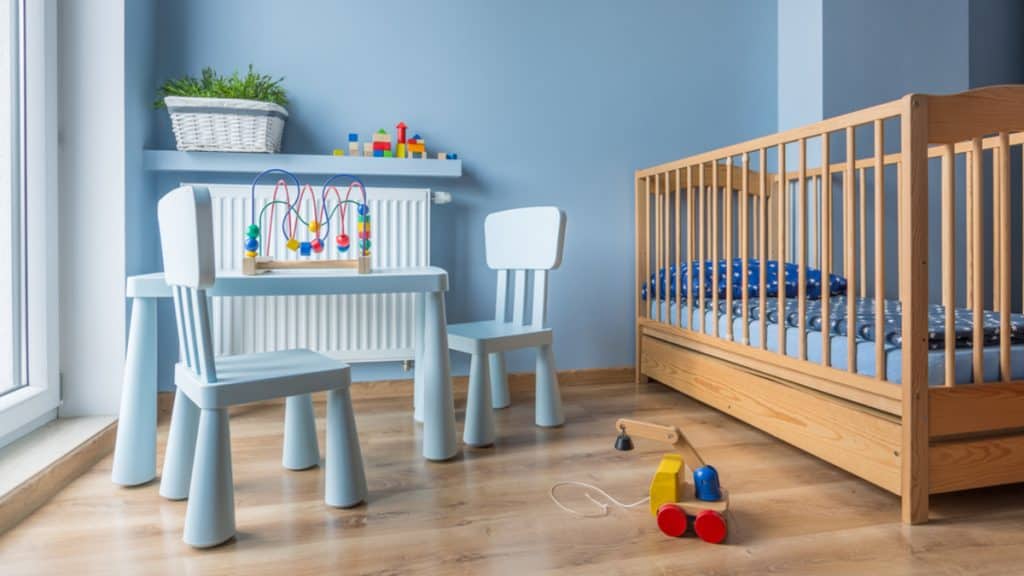
A humidifier also does not make an unsafe sleep setup safe. Red Nose says no specific baby-care product has been shown to reduce SIDS or sleeping-accident risk. Continue its safe-sleep recommendations. Keep the appliance and cord outside the cot and out of children’s reach, with no mist wetting bedding. For selection considerations, see our baby-room humidifier guide.
Humidifier, dehumidifier or air purifier?
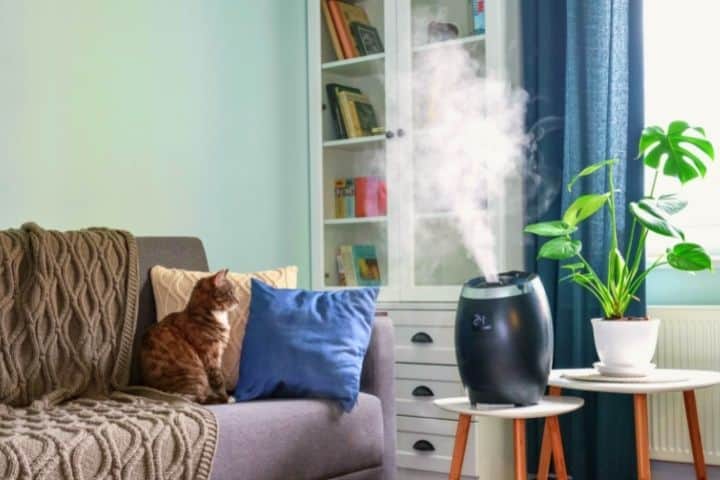
These appliances solve different problems. A humidifier adds water to air. A dehumidifier removes it. An air purifier moves air through a filtering system; performance depends on the filter, room and setup. A fragrance diffuser’s main purpose is scent, so it should not be treated as either a room-humidity controller or a purifier.
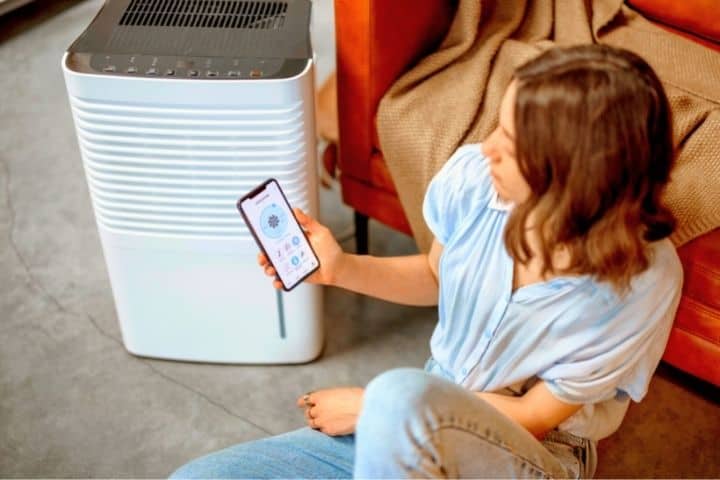
If you have condensation or mould, start with moisture control rather than adding mist. NSW Health advises ventilation, fixing leaks and limiting humidifier use to reduce dampness. A dehumidifier may help manage moisture, but it does not repair a leak or remove the reason a wall keeps getting wet.
For smoky air, NSW Health says humidifiers do not remove fine particles in bushfire smoke. Follow emergency warnings and local air-quality advice. Where appropriate, a HEPA air purifier can help indoors. Moist air or a pleasant scent is not evidence that smoke has been removed.
Which type of humidifier should you consider?
The main distinction for a family home is how the appliance produces moisture, whether it introduces a burn hazard and how easily you can maintain it. The US Environmental Protection Agency’s humidifier guidance describes the common technologies and their maintenance concerns.
| Type | How it adds moisture | What to check |
|---|---|---|
| Ultrasonic cool mist | Vibration makes fine droplets | Tank access, water instructions and mineral residue. |
| Evaporative | A fan passes air over a wet wick or filter | Fan noise, wick care and replacement availability. |
| Impeller cool mist | A rotating disc makes droplets | Cleaning access and water requirements. |
| Steam or warm mist | Heat produces steam; some models cool it before release | Hot water and steam create burn risks. |
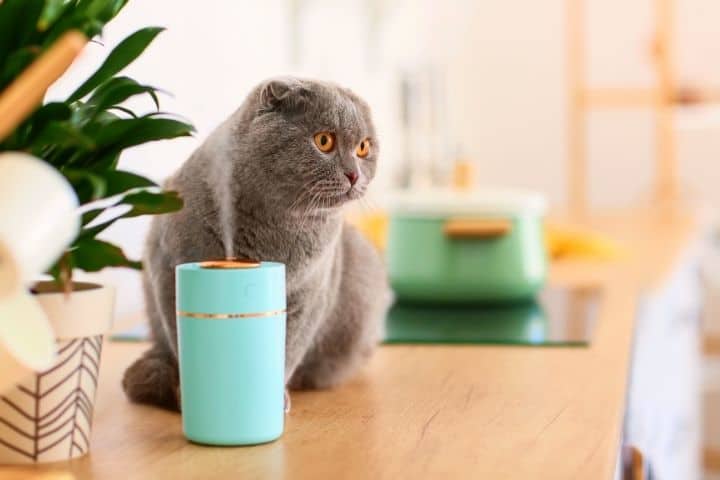
For a family home, favour an option without hot water or steam if you need added moisture. The Royal Children’s Hospital warns that hot liquids and steam cause scalds. “Cool mist” does not mean maintenance-free or suitable in a damp room. Choose an appliance whose cleaning steps you can realistically complete, rather than judging usefulness by the size of its mist plume.
An evaporative model still needs tank and wick maintenance. Avoid claims that any technology is completely bacteria-free. A humidistat, timer or automatic shut-off can be useful controls, but none replaces checking the room and following the manual.
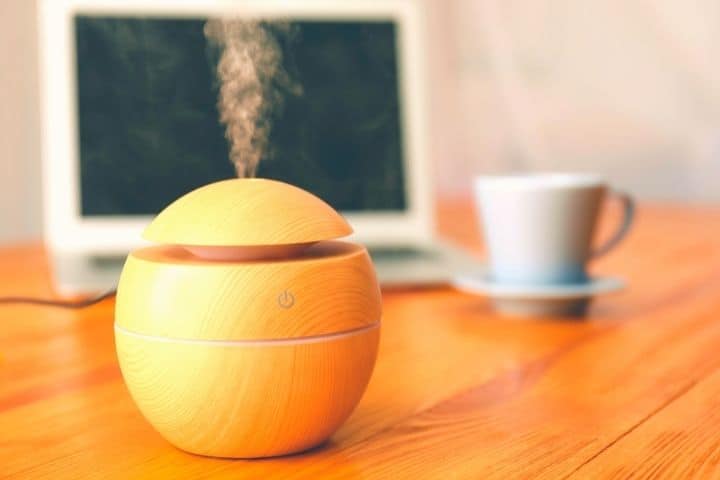
How to check whether it is working for you
- Record the room’s humidity before use, with the hygrometer away from the direct mist.
- Start with the manufacturer’s recommended setup and a modest output.
- Compare readings and comfort under similar conditions, including heating or air conditioning.
- Check nearby bedding, carpet, windows and walls for moisture. Stop if they become damp.
- If there is no useful improvement, reconsider whether you need the appliance instead of running it for longer.
There is no single reading that proves everyone needs a humidifier. Relative humidity also changes with room temperature. The useful decision combines measurements, visible dampness, the appliance instructions and any advice relevant to your family’s health. Our guide to humidifiers and wet surfaces covers common setup problems.
Cleaning matters as much as output

Standing water and dirty components can undermine the comfort you are trying to achieve. MedlinePlus recommends daily draining and cleaning. Follow the model’s instructions for descaling, disinfection and replacement parts, and rinse away cleaning residues as directed. Never mix cleaning products.
Use the water specified in the manual. Distilled water can reduce mineral residue in mist-producing units; ordinary bottled mineral water is not equivalent. Unplug before cleaning, and dry the unit before storage. If a tank has inaccessible slime, damage or a persistent smell, stop using it and contact the manufacturer rather than masking the smell with fragrance.
Should you leave it on overnight?
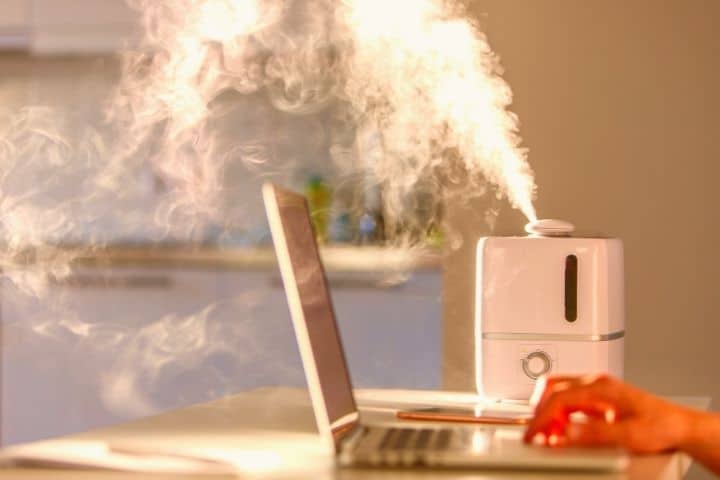
Only consider overnight use when the instructions permit it and you know how the room responds. First observe it while you are awake. Check for dampness, keep the cord safely away from children and follow refill and shut-off instructions. A timer can limit operation; it cannot tell you whether bedding is getting wet.
Humidifiers can also contribute to nuisance smoke alarms. Read what to do if a humidifier sets off a smoke alarm. Never disable an alarm to keep the humidifier running. If the two cannot be used together without recurring problems, stop humidifier use and arrange advice.
Frequently asked questions
Do humidifiers work in an Australian summer?
They add moisture whenever they operate, but that does not mean the moisture is useful. Many rooms are already humid in summer. Check readings and signs of dampness before using one; climate, ventilation and air conditioning all affect the room.
Can a humidifier stop my child getting colds?
Do not rely on it for illness prevention. It changes room moisture, and may improve comfort in dry air. Continue ordinary hygiene and seek age-appropriate healthcare advice when your child is unwell.
Why is there white dust around my humidifier?
Minerals in the water can be left as residue by some mist-producing models. Check the water requirements and clean the unit. If residue persists, contact the manufacturer; increasing mist output will not solve it.
Can I add essential oils?
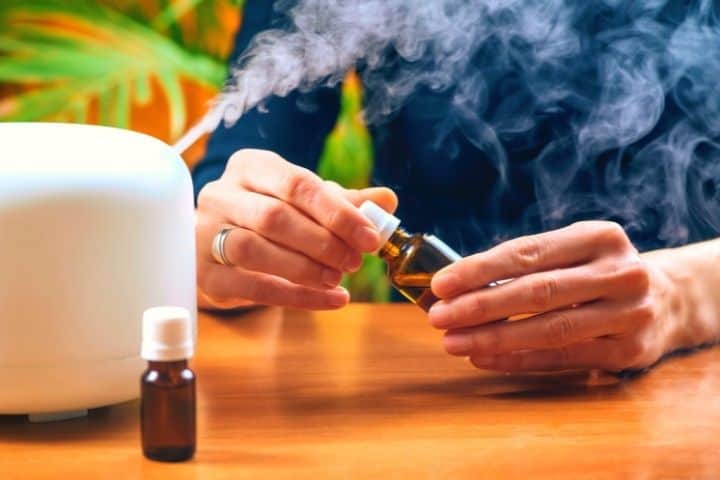
Do not add oils or other substances unless the manual permits them in the specified part of the appliance. For children, Raising Children Network warns that inhaled essential oils can irritate airways. Plain water is not interchangeable with a treatment mixture.
Is a humidifier worth buying?
It may be worthwhile if you have a measured dry-air problem, notice a comfort benefit and can maintain the unit. If the room is already comfortable or damp, the cleaning burden and extra moisture may bring little benefit. Check the room first, then choose the simplest suitable solution.