Fashion Bags: Mini and Micro are the Hottest Trends in 2021

After the Covid-19 pandemic’s first wave, most part of the luxury fashion houses agreed on one point: their business had to change perspective, trying to get (or get back) closer to the people. No more excesses, no more extravaganzas, no more casual exhibitionism. Sobriety and simplicity seemed to be adopted as the new keywords.
At least, this was the common wisdom that came out about a year ago, by reading the statements released by the best fashion houses’ owners and creative directors.
To be honest, if we take a look at the most recent collections, such a solemn commitment has been misapplied by more than a few of the initial subscribers. But despite that, nobody can deny that a new conscience has surfaced in the fashion business entrepreneurs, designers and even buyers.

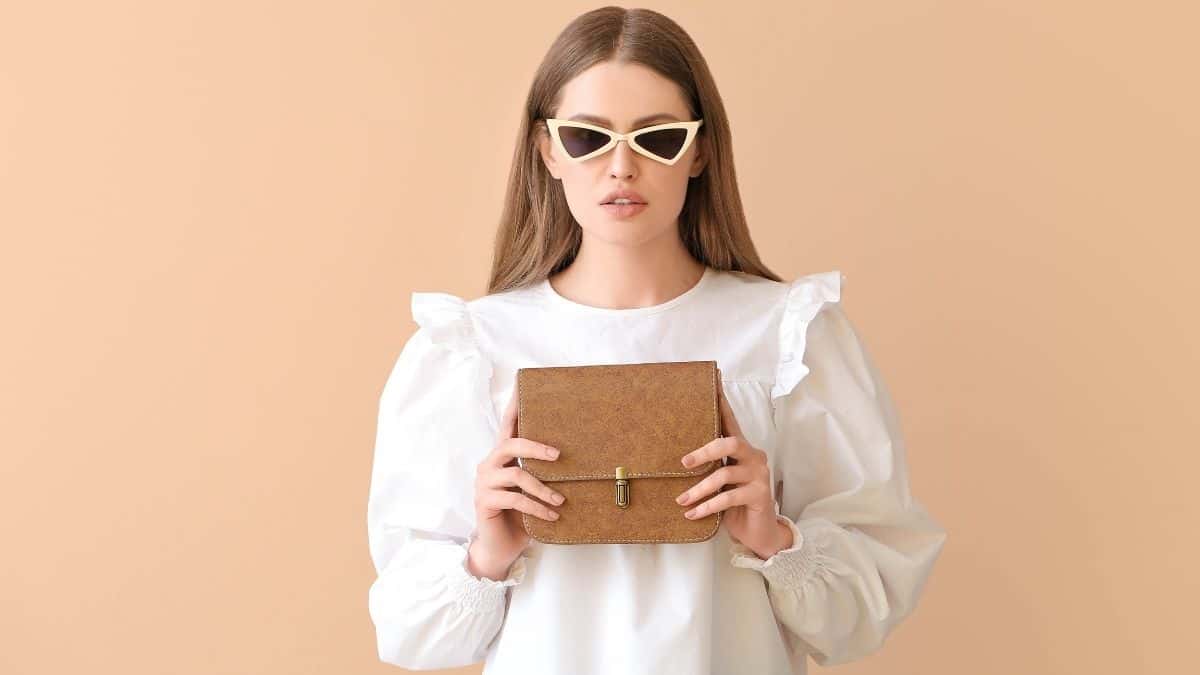
This new attitude is mostly reflected in some new collections of accessories, in particular purses, bags and clutches. We can actually admire a sort of “new wave” in fashion design, and this is particularly visible in a series of details that characterize many of the latest fashion products.
1. The rediscovery of “ancient” materials. From tissues like cotton, silk and even hempen (for example in the last Dior’s issues), to “poor” and “cheap” materials like cellulose (one of the main features of Marni, maybe the most proactive and interesting new brand currently on the global market). Fashion designers are putting aside more expensive primary products like leather or velvet, to the benefit of once-neglected ones.
2. Simple manufacturing. The more complicated, the more fashionable: this used to be the most popular equation in fashion business until late 2019. But the times have changed so abruptly and rapidly, and even the haute couture design has to comply with it. Today people demand simplicity, even austerity, therefore the gentle art of tailoring dresses and accessories has to change its main guidelines. Basic lines, minimal trims, soft colors: everything must be imprinted with the utmost sobriety.
3. Reduced size. There was a time when “big” used to be synonymous with “elegant”, especially for what concerned bags, suitcases and backpacks. Nowadays, nobody needs a bag the same size of a shopping cart. Tiny, light and as uninvasive as possible: these are the most requested features for an accessory in the pandemic era (not just bags or similar: this applies as well to belts, jewelry or headgear of any kind), also in view of the drastic reduction of our social events.
Now let’s focus on the third point: obviously, fashion is not just a matter of size, but never before as size mattered so much. And the items which turned out to be the most sensitive ones to this issue are exactly the woman’s bags.
Women (apparently of every age, origin, marital status, educational background and economic situation) seem to be utterly fed up at being forced to carry with them a huge number of objects (most of which doomed to remain not utilized). Now they just want the bare essentials with them, so they don’t need that much space in their purses. Call it, if you want, a tribute paid to this era of new austerity, or just a marginal sign of women’s emancipation, which also means getting rid of the urge to appear always in perfect order to a man’s eye.
In any case, carrying heavy burdens every time they go out, in order to just preserve an impeccable look, does not seem to be an affordable price anymore, at least for a large number of women.
Everything described above appears like a sufficient explanation on this phenomenon. But, as you can imagine, it’s not that simple. As everyone knows, when it comes to fashion things must be observed from a multiplicity of points of view. And another primary issue that should be considered is the mere aesthetics.
Fashion design is basically a matter of shapes, lines and colors (and, of course, materials as well, but that’s another story), and the challenge in this day and age has become to show creativity and taste on a reduced surface and a limited volume.
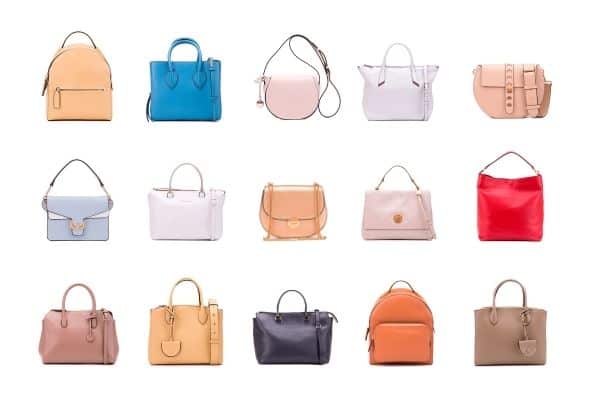
This is exactly what many fashion designers are trying to do, following the example of their Asian colleagues. Asian Far East countries, in fact, have always been a sort of consistent inspiration for those who work on small-sized objects: and that’s the reason why so many Western designers (in particular the British and American ones, maybe because they are the most exposed to the influence of their countries’ Asian local communities) started to look at them.
Young and ambitious fashion houses like Kara, JW Pei (both Chinese-based, but with a foot in the USA) and Mahren.J (South Korean, with a strong bound with the worldwide phenomenon of K-Pop and its huge global teenagers’ audience), had already traced the route a few years ago, and all the big Western companies operating in the same business area have to do is learn from their example (while trying not to copy them).
Once, this could look like a sort of mission impossible, since the Western buyers seemed refractory to provide themselves with every kind of mini or micro fashion item; but as we said, the era of neo-minimalism has come, buyers’ taste has dramatically changed and even the most fundamentalist designer must adapt to the current times.
Now the question is: how long will it last? Fashion, we know, is able to give orientation to many people’s lives, but it’s also something provisional and transitory. We can even say that this perpetual transience is part and parcel of its attractiveness: people love to change, especially themselves, so it is conceivable that even the current “mini and micro” trend is destined to fade away, sooner or later.
In any case, it has already left a mark in fashion industry, and its legacy is bound to last for many decades, regardless of the 2030s’ bags size: a legacy that deals with several issues, such as respect for the environment, resources’ optimization and a responsible use of the raw materials.
Not bad for such a “frivolous” business…