The Essential Gear You Need For Your First Hiking Adventure

Hiking is a popular outdoor activity that many people enjoy. It can be a very rewarding experience to get out in nature and explore it on foot, but before you take your first hike, there are some essential gear items that you need to make sure you have with you.
This blog post will discuss the most important hiking gear so that when the time comes for your first adventure outside, things will go smoothly!
Hiking Boots
Hiking boots will protect your feet from sharp objects on the ground. You can learn more here about what to look out for when choosing hiking boots, such as; it’s best if they’re waterproof, have a good grip on the sole, and are durable enough for long hikes.
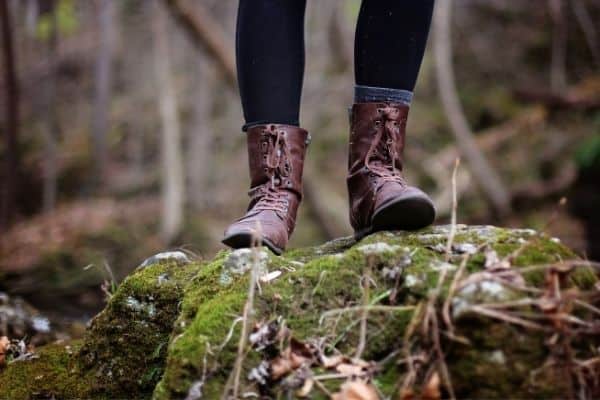
You may also need a pair of hiking shoes. They are lighter than boots, so they’re great for doing day hikes and short hikes with less weight on your feet. You’ll want to make sure these have a good grip too.
Hiking Coat
Have a lightweight, breathable hiking coat. A hiking coat can be a lifesaver for when the weather gets nasty and you need to stay warm. It’s great if your coat is also water-resistant so that it can keep you dry in rainy conditions or even snowy days.
If you don’t want to buy a new coat, that’s ok! There are other options. For instance, you can opt for waterproof or water-resistant rain gear, like jeans and boots over your hiking clothes in poor weather conditions. This is especially helpful while camping outside during the winter months when temperatures drop quickly.
Another option is to take along a lightweight down jacket so it can help keep you warm on those less cold days.
Trekking Poles or Walking Sticks
Trekking poles or walking sticks can help with balance on uneven terrain. They also can be used to help fend off an animal when you encounter one in the wild.
They should have shock absorbers and a telescoping height adjustment, which allows them to fold up compactly for travel. These are most often made of aluminum, but some brands use carbon fiber shafts that weigh less than metal ones but that does cost more money.
Keep in mind that a hiking pole or stick should not be too heavy or bulky so that it doesn’t inhibit your balance and ability to maneuver on the trail.
Sunglasses
You need sunglasses to protect your eyes from UV rays. It’s important that you buy good quality sunglasses for protection and safety reasons.
How to choose the right sunglasses for you:
- You want them to be polarized. This will reduce glare from water and snow on surfaces
- Make sure they have 100% UV protection. You don’t want your eyesight or skin damaged by long periods of exposure to harmful waves like UV rays can cause so make sure the lenses block out all sunlight
- You want them to be comfortable (especially if you are going on a long hike). You don’t need the most expensive pair in the world but they should feel good and not too tight because your head will get sore after about an hour of wearing them
- They should also have adjustable straps that work well with hats, helmets, etc so as not to hinder any movement
A Map

A map of the area so you don’t get lost or if you do, at least know where to go.
A map of the area will help make sure that you are able to find your way around. It may be a good idea to have one with some extra detail like hiking trails or landmarks for easier navigation as well.
Energy Bars
You’ll need energy bars for sustained energy while hiking up hills or mountain trails without access to food sources along the way. Energy bars are a quick and easy way to maintain energy levels on the trail. They typically have less than 200 calories, so you can eat one every few hours without feeling weighed down or tired
If you’re going to be spending a few hours in the great outdoors for the first time make sure you pack essential items. Hiking boots are best for protecting your feet against sharp objects and rocks. A hiking coat is necessary if it’s chilly outside or wet because it will help keep you warm while also providing protection from rain and snow. Trekking poles or walking sticks can come in handy when there are steep inclines that require extra support on your part as well as crossing rivers where they may only have one solid surface to walk across without a bridge available. Sunglasses will protect your eyes from harsh sunlight which could cause eye strain after an extended period of time out in the sun, especially during summer months when UV rays are strongest.