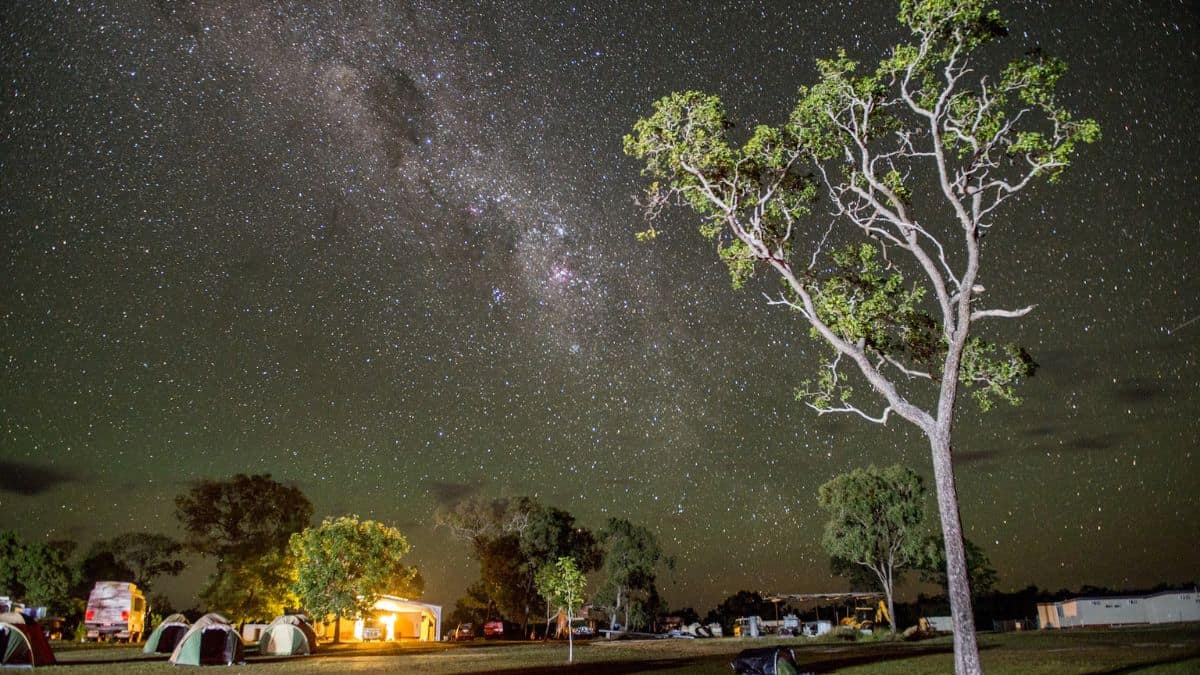
7 Practical Tips for Getting a Good Night’s Sleep for First-Time Campers

Camping may be a cure for insomnia, according to research. Generally speaking, taking some days off from the usual is a remedy for boredom.
The natural light, fresh air, and overall scenery with its textures and sounds make it easier for one to feel more relaxed and hopefully sleep better.
So the plan is to sleep well regardless of where your adventures take you. Take these tips for a good night’s sleep when you go on a camping trip for the first time.
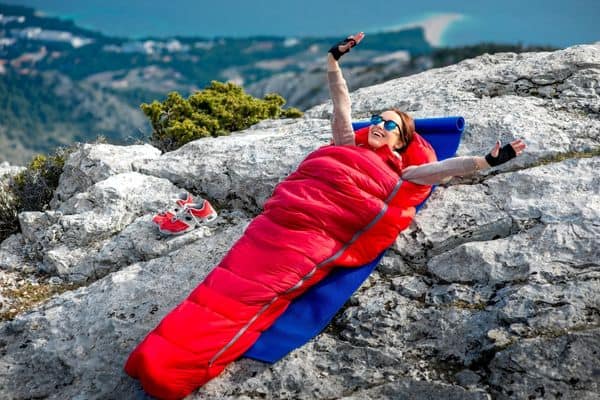
1. Invest in a Sleeping Bag
A quality sleeping bag is an essential component of your sleep system. It’s an investment for a comfortable sleep, so try not to skimp on this purchase. Budget aside, a major consideration in buying this gear is the temperature rating, with EN 13537 as a key reference.
The choice is often between down and synthetic for its fill or insulation. The mummy-shaped sleeping bag may be what comes to mind when you talk about the gear, but there are other shapes that are roomier or more comfortable if you don’t like tight spaces.
For storage and packing purposes, consider how compact the gear is. Even if you are to travel in a campervan, you’d want to save up as much space for people joining the trip and their stuff.
Liners, pillows, and blankets can boost the comfort level. Round out your cosy sleeping arrangement with a sleeping pad.
2. Wear Your Sleep Mask
Never leave home without your sleep mask. The daily routine of wearing your mask cues your body that it’s time to sleep wherever you are staying for the night.
Sleep with a comfortable sleep mask to block out any ambient light outdoors.
If you are on a no-curfew campsite, you’ll need the eye mask and ear plugs. Also, nature sounds can be relaxing but can sound scary, so best to have those plugs ready.
The eye mask’s fit is crucial because it can affect the quality of your sleep and overall experience. You’ll appreciate its snugness and softness of material on long summer days.
3. Survey Your Spot
Location is critical to your sleep, whether you’re pitching a tent or parking your RV for one night or more. For starters, check potential sites for your camping or road trip. Start with official government sites like this.
This advanced legwork will help you plan everything, get to know the facilities, book your slot early, and, if possible, find rest areas or free places to park legally. Armed with your research, you’ll be sure what to bring and enhance your travels.
Check how shaded or exposed the site is from the sun and wind and whether it has flat ground, which is a must for a good night’s sleep. Moreover, research safety tips about wildlife encounters and emergency numbers.
4. Dress for Bedtime
Back home, you’d probably change to loungewear or pyjamas before heading to bed. That still applies outdoors, although you’d need to bundle up should the temperature drop.
For your camping sleepwear, it has to be clean and dry. Sleeping in clothes with the day’s sweat and grime is hardly comfortable. Dirt and odour would also necessitate washing your sleeping bag more often.
More importantly, dress comfortably and according to the weather. If the night gets cold, add another layer like a jacket. You can follow the basics of layering up or down when camping.
5. Limit Your Tech Use
The natural scenery is the perfect excuse to keep your eyes away from your phone or laptop screen. Besides sending texts or messages informing your loved ones of your whereabouts, limit your tech use, especially at night.
Blue light is not disruptive to the body clock during the day as it is said to increase alertness, but it’s a different story at night when the body is supposed to be resting. The bright screen being too close to the eyes can cause eye strain. Then there’s content that has the potential to upset, disturb, or keep you up at night.
Save yourself a lot of unnecessary thinking and battery by effectively ditching your gadgets at least an hour before bedtime. Putting on your eye mask can deter you from reaching for your phone.
Even when you’re not using your device as often, it’s still important to keep your phone charged and bring an extra battery or power bank in case of emergencies.
6. Lounge in the Sun
Soak up the sunshine. Daylight positively impacts your circadian rhythm, sleep quality, and mood.
Lounge in a beach chair. Lightweight, durable, and comfortable are key qualities of chairs you can take with you for outdoor activities. They should be foldable and versatile because anything can happen on a road trip, including an impromptu beach stopover.
Regardless of your intentions, remember to wear sunscreen and a hat while getting sun exposure.
And if you are going to take a nap, keep it short and early in the afternoon. That way, you’d still be able to sleep at night.
7. Go Easy on the Coffee
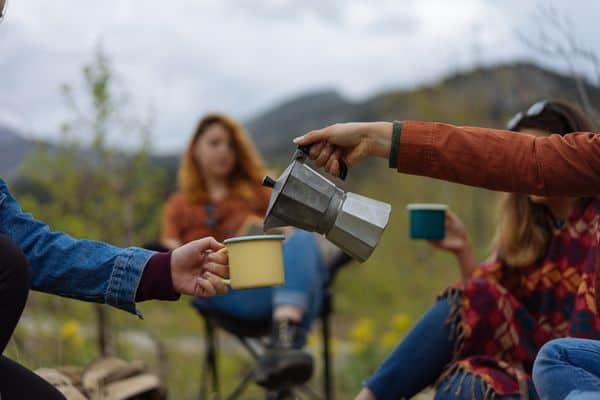
Finally, you can’t have too many cups of coffee if you want a restful nighttime sleep. One cup of freshly brewed coffee is probably enough to start your day and get into the activities slated for the day.
Camping coffee is a thing, whether it’s instant coffee or your favourite roast and a percolator. Cowboy coffee is a classic.
Whichever is your preferred blend or method of preparing it, enjoy coffee with nature around you because it’s going to be no-coffee time six hours before your planned bedtime.
Sleep Not on Sleep
No need to dream of a peaceful slumber because it’s possible with the help of suitable gear and sleep hygiene.
Just because you’re out there looking for adventure doesn’t mean you should not be sleeping well. The lack of sleep can make you grumpy and less energetic, spoiling a supposedly good time.
It’s definitely worth the effort to create a conducive sleeping space and make it easier for you to enjoy a good night’s sleep outdoors.
Sweet dreams.