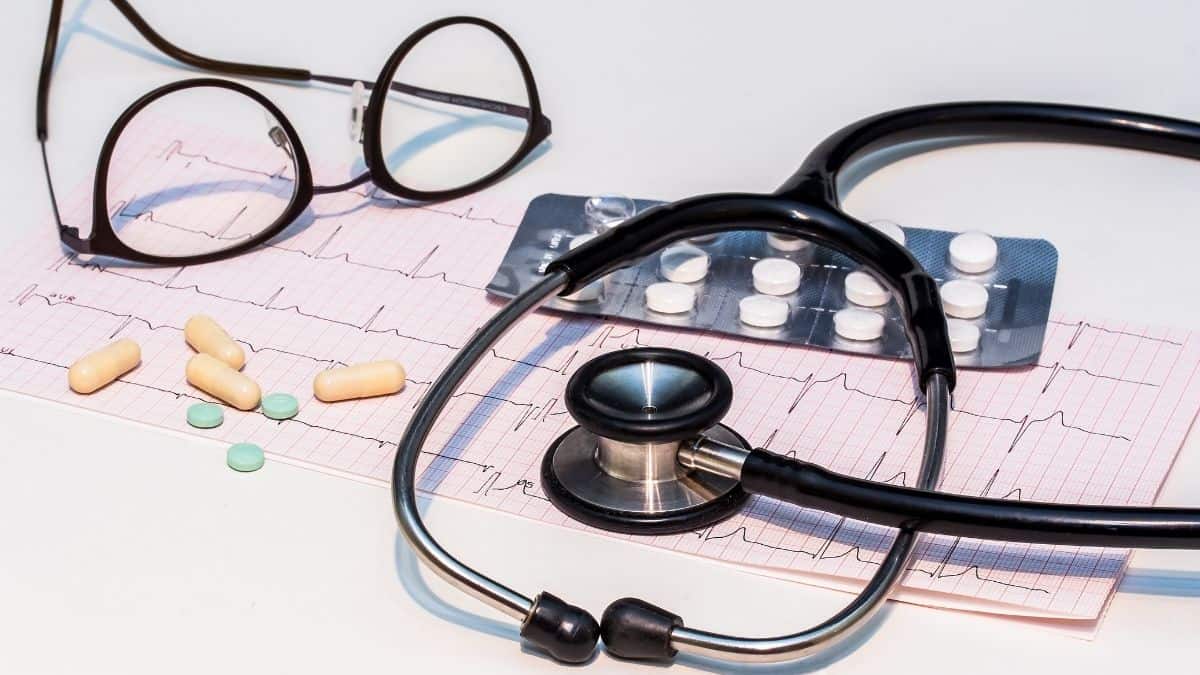
How Drugs Influence Body

The effect of drugs on a person’s health is often more obvious than on the psyche. It starts with small problems like flaky skin, pale complexion, brittle nails, and dull hair. However, it is usually followed by a decrease in immunity, the development of diseases, non-healing wounds, as well as hair and teeth loss.
The danger of drugs is that they have a destructive effect on the body after some time, when the addiction has formed and it is no longer possible to stop using drugs on your own. We can say for sure that psychoactive substances affect all systems of the body without exception.
If you were not able to prevent drug addiction, it is still not late to receive treatment and get well. There are a couple of options for the very first step you’d want to make right now: google “free rehab centers near me”, get a consultation with an experienced doctor, or call a drug abuse hotline. In this article, we are going to discuss how different drug substances affect our main body systems.
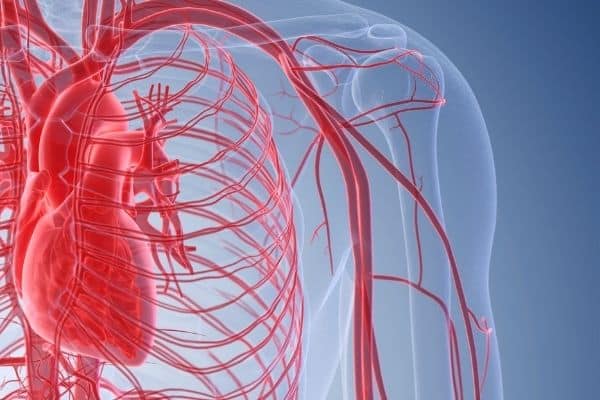
Cardiac System
Taking opiates leads to depression in the cardiovascular center located in the medulla oblongata. Vessels dilate, blood pressure drops sharply, heart rate slows down due to which the internal organs do not receive oxygen in full, hypoxia develops – oxygen starvation. In conditions of lack of oxygen, the metabolism of the heart muscle is disturbed, ischemia develops. In a short period of time, the heart of a young drug addict becomes like the heart of an elderly, sick person.
Psychostimulants, on the contrary, stimulate the work of the cardiovascular center. The pressure rises, the heartbeat quickens. There is vasospasm, because of which the processes of thermoregulation are disturbed and the person is thrown into a fever, the temperature rises. With such an extreme load, stroke and heart attack often occur.
Respiratory System
Opiate drugs depress the respiratory and cough centers. This provokes a violation of the cough reflex, due to which various microorganisms linger in the respiratory tract, which will later lead to the development of pneumonia. An overdose of opiate drugs completely leads to paralysis of the respiratory center, because of which the addict dies from respiratory arrest.
When using marijuana and smoking mixtures, chronic bronchitis develops several times more often than in people who smoke tobacco. Also, the other infectious processes easily occur – pneumonia, which is one of the common causes of death among drug addicts.
Digestive System
Under the influence of narcotic substances, the production of digestive enzymes deteriorates, which worsens the digestion of food. In fact, despite the use of food, the addict has chronic starvation. Such people lose weight, look emaciated and sick. They suffer from constipation to no end. The lingering feces release toxins that are absorbed into the blood and carried throughout the body, the skin becomes grey, unhealthy.
Cirrhosis of the liver develops quite quickly, since this organ must free the body from poison, but it cannot cope with so many toxins. No less formidable condition is acute pancreatic necrosis – a violation of the pancreas, when its own enzymes begin to corrode the tissue of the pancreas. The pancreas dies, toxins go off scale in the blood, and a person dies from endogenous intoxication.
Skeletal System
Synthetic drugs, such as desomorphine, cause purulent destruction of bone tissue. Against the background of a deterioration in the blood supply to the bone tissue, as well as a decrease in the immune status, osteomyelitis develops. Osteomyelitis often affects the jaw bones. The affected bone is simply gradually destroyed. So, in such patients, facial asymmetry is observed due to swelling of the affected area. Fistulas are found at the base of the jaw, through which pus flows. In the oral cavity, a bare grey bone is visible, because the mucous membrane is atrophied. An unpleasant, putrid odour emanates from the mouth. A purulent infection can spread with the formation of phlegmon and abscesses in the face. The bones are destroyed irreversibly and the face remains deformed and disfigured for life. As a result of drug use, bones become brittle and teeth fall out.
Reproductive System
The most common drugs, including marijuana, LSD, cocaine, and heroin, have a negative effect not only on a person’s mental abilities but also on the reproductive system. Blood plasma gets a new neighbour, which gradually reduces the number of sex hormones in it. Over time, testosterone is reduced to a minimum, but it is responsible for the increased sexual sensitivity of the skin and mucous membranes.
When considering the effects of drugs on human reproductive health, it is necessary to mention the deformation of germ cells and even changes in chromosomes. Sometimes just one drug use is enough to cause irreversible changes that lead to infertility.
Infections
The traditional infections of injecting drug users are HIV and parenteral hepatitis. According to statistics, in 40 cases out of 100, a drug addict becomes infected with HIV. HIV infection leads to the development of immunodeficiency. In this condition, any microorganism is capable of causing a severe infection. In particular, one of the most common causes of death among drug addicts is pneumonia. Also, with intravenous drug administration, a person can bring strepto- and staphylococci into the body, which leads to severe sepsis.
Treatment
First of all, you need to get a consultation, either calling a drug abuse hotline or contacting a rehab. There are various options for inpatient rehab treatment, a lot of which have free substance abuse programs, funded by the state, private organizations, or religious communities. Start your search by googling “free drug rehab centers near me”. For those specifically seeking assistance in California, exploring options for heroin detox Los Angeles can provide targeted and effective treatment solutions.
It is important to understand that drug addiction is a chronic disease that requires special approaches to treatment. No matter if you choose an expensive or free drug rehabilitation center, you should keep in mind the peculiarities of the treatment of chronic diseases:
- Such diseases often have relapses, which does not indicate the ineffectiveness of treatment, but is a natural course of the disease;
- The main goal of treatment is minimizing the negative consequences of the disease and control the manifestations of the abuse, as complete recovery is often impossible;
- Treatment of chronic diseases is often lifelong and not limited in time, the only criterion for stopping therapy is the patient’s condition, not its duration;
- A patient is an active participant and partner in treatment, so the success of therapy depends on the effective interaction between the doctor and the patient.
Think of these points when choosing a paid or free drug addiction treatment but better try to prevent such serious consequences.