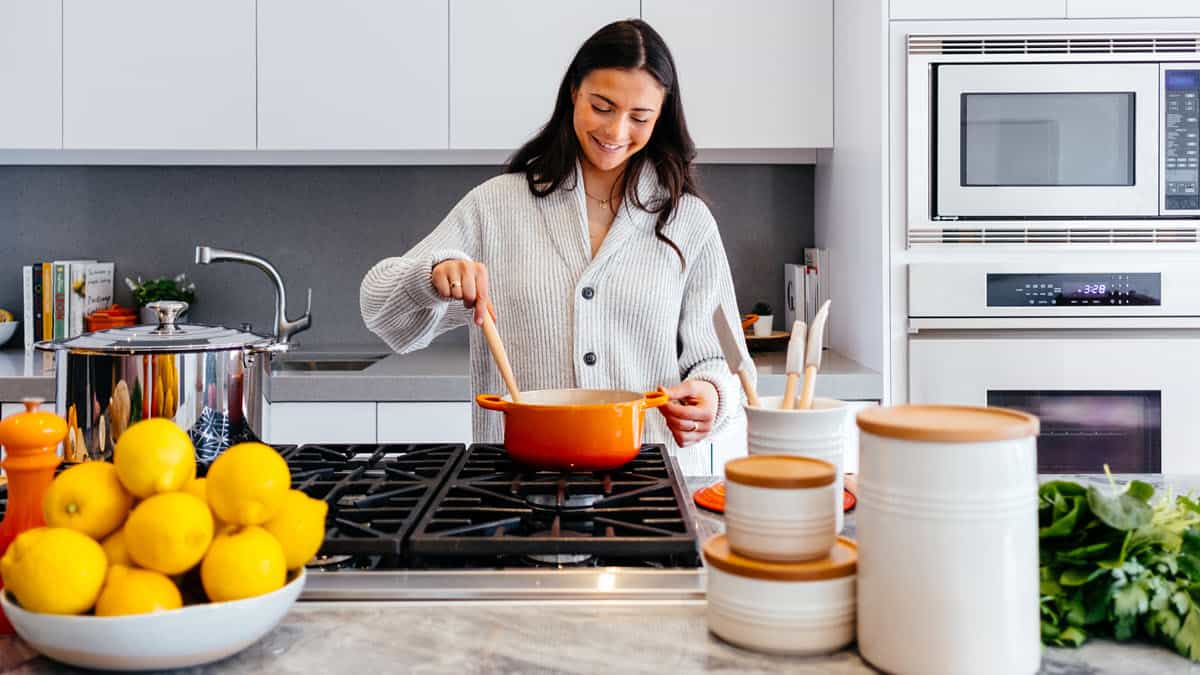
How To Be A Professional In The Kitchen With A Few Simple Tips

The kitchen lies at the heart of everyone’s living accommodation. It’s a highly visited location whether it’s for breakfast, lunch, or dinner, or for socializing and coffee.
It may be that you work from your kitchen, or simply use it to prepare drinks and meals for the family. Whatever the reason, you’ll want to be a professional in terms of the equipment you use and the practices you adopt – so if you’re looking for some tips on this subject, read on!
Use Professional Equipment
This is usually made from higher-grade materials that will last longer and cook better than the cheaper alternatives. It tends to be more aesthetically pleasing as well, which makes for a nice-looking kitchen whether you are an avid home chef or professional. Some examples are knives, food processors, cookware, and ovens/stoves.
If you go online you’ll be able to find lots of high-quality cooking items. People looking for a professional-grade Vitamix blender can also read about the best blenders to make the right decision. It’s also possible to learn about special attachments, size, noise levels, ease of cleaning, and warranties before you buy.
Stay Organized
This includes cleaning and decluttering while you cook. Store your ingredients in a way that makes sense so they can be easily retrieved. Label everything with a permanent marker or stickers and keep things like spices on an organizer rack rather than a crowded shelf.
Store your tools close to your hand so you don’t have to leave the cooker and go searching. Get rid of clutter on your countertops, including unused appliances, dishes, and food. Don’t get distracted while you’re cooking: keep your cell phone away or turn it to silent mode.
Have Fun!
It should be enjoyable when you cook in your free time – it doesn’t have to feel like a job or chore. It’s important to try and stay calm at all times, even when you have several things cooking at once. If you are entertaining guests, remember that its’ your time together that is most important, rather than whether you are serving them restaurant-quality food. If something goes wrong, be philosophical and laugh it off together.
Having said that, don’t be afraid to add boundaries while you are preparing your meals. It may be that your guests can socialize in another room during the final stages of cooking, or your children can be asked not to interrupt you for half an hour.
Prepare Before You Cook
Read through recipes before starting, so you know what you’ll need ahead of time. You should have all your ingredients measured out and ready to go, as well as having any equipment to hand. Prepare the ingredients – this includes washing, chopping, slicing, etc.
It will increase your productivity during the meal prep process if you won’t need to be running back and forth, looking for things. Should that happen, you could end up burning your meat and overboiling your vegetables!
Use The Right Tools
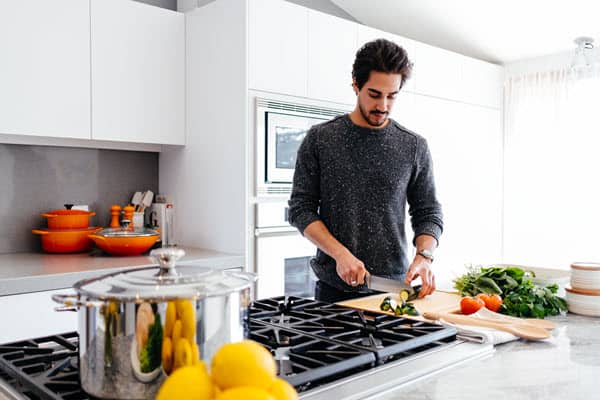
If you use the right tools for the job, it will be both the most efficient and the safest way to go about things. Don’t use a spoon to stir the soup. Use tongs for flipping food, but use a spoon or spatula if it’s on top of something else. Non-stick pans are great for eggs, while stainless steel is better for frying chicken.
Don’t use your best kitchen knives to cut raw meat; it dulls them quickly. For scrubbing boards using baking soda paste to remove any stubborn stains.
Maintain Cleanliness And Safety
This should be a priority when cooking because you don’t want to use dirty utensils or appliances which can lead to food poisoning. You should ideally clean as you go rather than leaving stuff in the sink or dishwasher. Clean all surfaces before and after using them, whether it’s cutting boards, countertops, ovens, etc.
Always wash your hands before you cook and after handling raw meat or seafood. Have a designated cutting board for raw meat, fish, fruits, or vegetables to avoid cross-contamination. Use a timer to ensure that you’re cooking the food for the appropriate amount of time. Put away any food that needs to be refrigerated or frozen after use, and keep a clean dish towel handy for wiping up messes.
Hopefully, you now understand a little more about the different ways you can be more professional in the kitchen, whether it’s the way you do things or the equipment you use. In turn, your family and friends will reap the benefits and you’ll be able to enjoy eating the fruits of your labor too.