How to Choose Bed Linen You Will Love

What do you think about when going to buy new bed linen? Is it the colour, the texture, the durability? It is all those things and more. Whatever your bedroom décor is, you want your bed linen to blend in with the surroundings. After all, the bed is the focal point of any bedroom. It is always the first thing people see. That goes for all the bedrooms in your house.
Forget about what the occasional visitor to your house may see. What is important is how you feel. Great bed linen isn’t just about how it looks. What is most important is the quality of sleep you get between the sheets. So, this is a guide about how to choose bed linen in a more informed way.
Bed Linen Fabrics
Different fabrics are used for bed covers as the seasons change. Of course, the climate region in which you live will determine the kind of fabrics that you use.
Cotton
Cotton sheets are probably the most commonly sought after bedding because of the properties of the fabric. As a natural product, it can be described as ‘breathable’. It is both warm and cool, depending on the environment.
Cotton comes in different qualities, but the best in the world, according to the industry, is 100% Egyptian cotton. A close second is Pima or Supima cotton. This was developed in the United States to rival Egyptian cotton.
Flannel
Flannel or brushed cotton is a more loosely woven type of cotton that has been ‘brushed’ to make it thicker and fluffier to make it feel soft. This kind of bed linen is predominantly used in colder climates or when the seasons change to colder weather. It is also known as Flannelette.
Linen
Linen is made from the flax plant and comes mainly from Europe. Belgium and French linens are considered the best. Linen is also regarded as very durable and long-lasting. It is both warm and yet breathable. Not as soft as cotton initially, it becomes softer with use.
Silk
Silk bedding is the most luxurious that you can find. Again, a natural product, made from the thread of silkworms. Bed linens made of silk are extremely smooth and cool. Natural oils and proteins keep them that way. They have a gossamer feel but are also very strong wearing. Extra care is necessary to maintain their suppleness. That means washing by hand and drying naturally in the air. Washing machines and dryers shouldn’t be used if you want to keep silk bedding in the best condition. Ironing silk bedding is difficult and it tends to wrinkle.
Polycotton
Polycotton bed linens are cotton with synthetic fibres woven into them. Polyester, which is plastic, is added to the weave. Because it isn’t a natural product, but a man-made mixture, it is considerably cheaper to produce. Unfortunately, it doesn’t have the breathable quality of purely natural products
Polycotton is easier to care for, as it dries quickly after washing and is also easy to iron. A good choice for busy mothers with large families.
Microfibre
Microfibre is synthetic. It is soft, hard-wearing and dense. Its advantage is that it is virtually wrinkle-free but it can get hot.
Different Kinds Of Weave
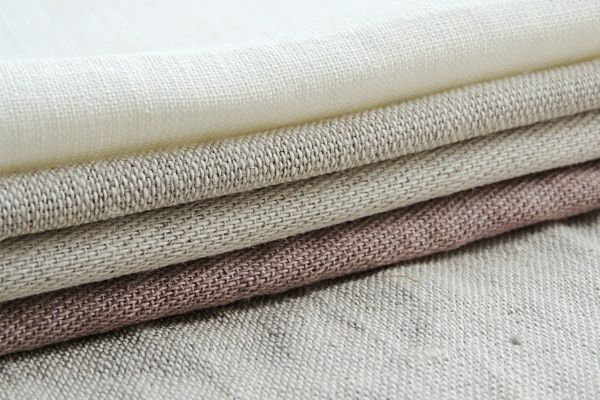
The texture or feel of your bed linens not only depends on the fabric that they are made from but also on the type of weave that is used to make them.
Percale is a very tight weave that makes bed linen feel crisp and cool.
Twill weave is known to leave the fabric supple. It has a herringbone or diagonal type weave that can be seen.
Sateen has a silky, smooth feel to it. A luxurious texture. This kind of weave is usually used in Egyptian cotton bedding. It is considered a warmer type of weave than the Percale.
Satin can be made from silk but is usually made of synthetic fibres. It has a slinky and smooth feel but can get very warm. These kinds of sheets aren’t very durable.
Waffle weave is a honeycomb pattern and gives the bedding a distinct textured feel.
Jacquard is named after the man who invented the technique of weaving a pattern directly onto the fabric without printing.
Jersey is a weave that leaves the cloth soft and liable to stretching. This kind of weave is used in cloth that needs to expand.
Thread Counts
Thread counts are the actual number of threads per inch in every piece of cloth. Theoretically, the greater the thread count the higher the quality, but that really depends on the fabric the threads are made from. Thread counts determine the quality and smoothness. Bedding linens with high thread counts, but low-quality material doesn’t make the grade.
On average, bed linen thread counts are in the 200-800 range but can go higher. For good quality bed linens, you need to start at the 200 mark. Counts of over 800 can result in the fabric being stiff and not very durable. They don’t have a comfortable feel.
GSM is what linen is measured in; it means grams per meter. For good quality linen that will last look between the 100-200 gram range. Lower than this and the bedding is too thin and won’t last. Over the 200 mark, the fabric becomes stiff and loses its smoothness.
Momme is the measurement used to quantify silk instead of thread count. This measures its weight and density. The momme is measured over 100 yards of fabric. The best momme range for bed linen is between 11-25.
Now You Know
Remember, the next time you go shopping for bed linens, to make the best choice, you have to keep three things in mind. Fabric, weave and thread count should be your mantra. In any outlet that sells high quality bed linens, the salespeople should be able to answer your questions. Choosing bed linens isn’t just about lovely patterns or colours.