How to Create a Soundproof Room in Your Home

There are many reasons that you may want to soundproof your home. You may live beside a busy road, or you may want a home studio. Soundproofing your home is quite simple, and you can be done with only a basic understanding of carpentry and electrics. You do not need specialized tools. This page will seek to tell you how you can soundproof the rooms in your home, and every single step of the process. Thankfully, you can soundproof rooms in your home very inexpensively, and do not need to hire a team of tradesmen to do it for you unless you are really struggling.
Whether you want a project for the winter, or just think soundproofing your home would be beneficial, this page can help. Here is how to create a soundproofed room in your home.
Understanding Soundproofing
Before installing soundproofing, you must first understand what it is. The professionals of www.soundproofcentral.com explain that many people confuse soundproofing with sound absorption. Sound absorption is when you reduce sounds from travelling freely throughout the space in a room and reduce echo. Soundproofing is about completely preventing a sound from being able to enter or escape a room.
Noise pollution is a very big problem, and if you implement sound absorption measures, you will not prevent noise from entering from the outside. Soundproofing will enable you to completely remove any outside noises from distracting you or preventing you from being able to relax at home.
If you live in a large city or by the main street in a town, you will likely get no rest at all, whether the noises be pedestrians shouting or cars honking. Soundproofing can completely change your life and allow you to relax in your own home, something everybody should be able to do.
What Tools Will You Need
It is imperative you have the right tools for the job, otherwise, you will not be able to install soundproofing measures effectively. You will need the following:
- A caulking gun.
- A mask to prevent fume and dust inhalation.
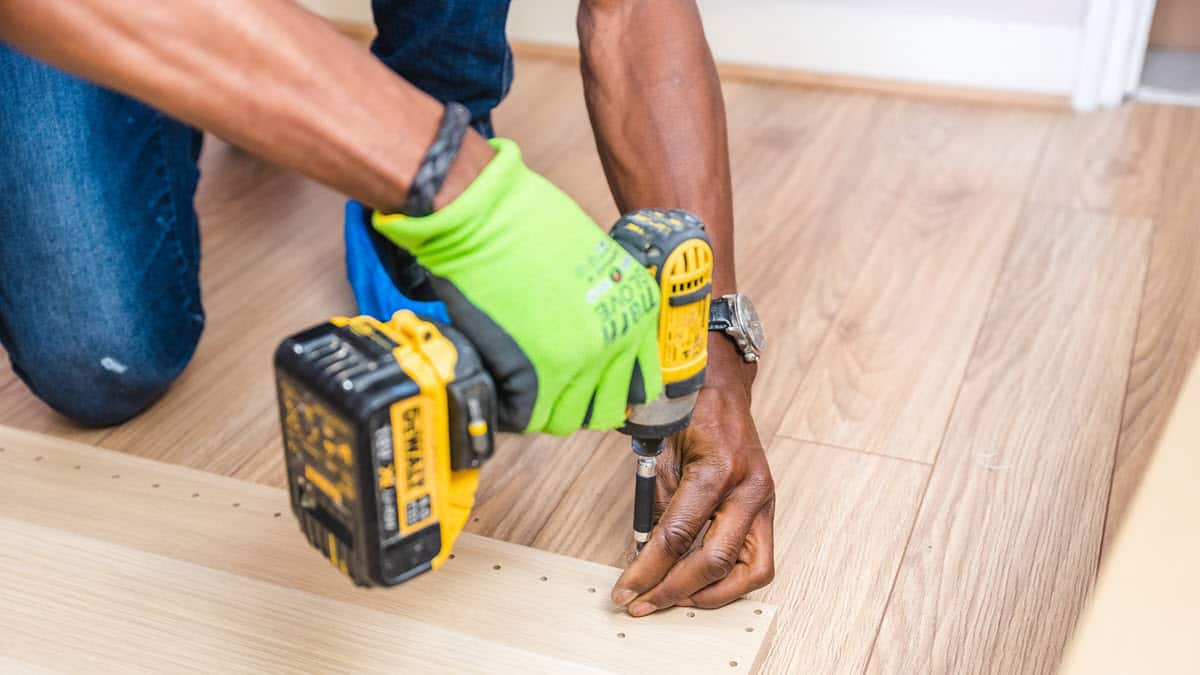
- A screw gun.
- A taping knife.
- An all-purpose knife.
Once you have all of the tools for the job, you are ready to get started. You should ensure that your tools are in good condition and you must make sure that you exercise caution when using them. Be responsible and be safe.
Create Ventilation
If you are going to install soundproofing, you will need to make a room airtight. However, if you suffer from asthma or any respiratory conditions, then making a room airtight could become problematic; you must install ventilation to ensure that those who inhabit the room you are soundproofing, or you yourself, are able to breathe properly. If you do not install ventilation you compromise the health of those who live in the room. You will likely be using chemicals to install soundproofing, which means that if the room is not properly ventilated, the air could be clouded by fumes.
Establish the Source of the Noise
Before installing soundproofing, you must establish where the noise you are trying to get rid of is coming from. Whether it be neighbours, cars outside, or people above you. Determine whether or not there are other solutions than installing soundproofing, for example, if the noise you have a problem with is simply an appliance in the kitchen left on overnight, turn it off. If your neighbours are too loud, ask them to keep it down. Soundproofing should be your last option as it can be a very laborious task.
Make the Room as Airtight as You Can
You will want to make the room as airtight as possible. You can do this by caulking up any gaps or holes in the walls that may be allowing sound through. Any potential way for noise to enter a room should be filled, and in between partitions in your doorway, install wedges and blocks to ensure noise cannot enter.
Make a Wall Soundproof Without Tearing It Down
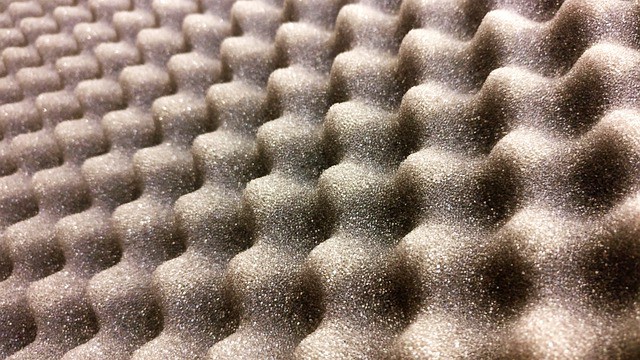
You can easily make a room soundproof without having to tear down its walls. Cut holes in the corners of the walls stud cavity and fill it with cellulose insulation. Following that, cut drywall and attach the sheets using acoustical dampening adhesive and screws. Fill in any remaining gaps with caulk.
If You Cannot Manage It, Call a Contractor
Some DIY jobs simply do not go the way that you plan them to. If you cannot pull off soundproofing yourself, then make sure you contact a contractor to come in and take over from you.
Now you know a few ways that you can soundproof a room. Soundproofing is becoming very popular and many people are choosing to install measures to prevent outside noise from disturbing them in homes across the world.