Effective Tips On How To Grow Vegetables And Fruits At Home

Growing your own vegetables and fruits not only saves you a lot of money but ensures you eat healthy produce that doesn’t contain any harmful chemicals or additives. You can also grow your own organic vegetables and fruits so you know exactly what goes into the growing process. If you have enough sunlight, an herb garden that’s easy to start from seed can provide fresh herbs throughout the year. Here are some effective tips on how to grow your own veggies and fruits at home.
Plant From Seed
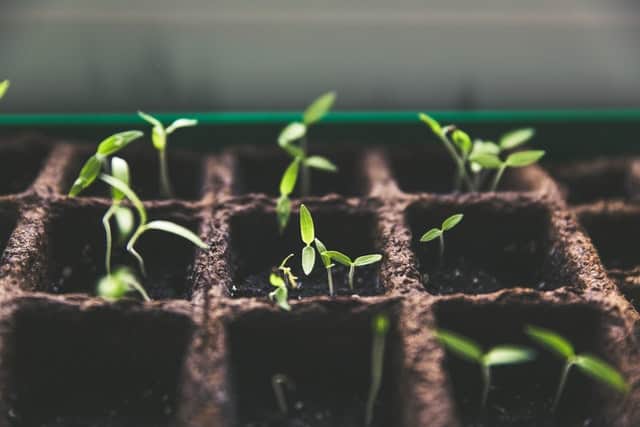
You can buy organic herb seeds at your local gardening store or online. Lots of people ask the question of how to grow herbs from seed, and it really couldn’t be any easier. All you need to do is sprinkle a few seeds in a pot with some soil. Moisten the soil and keep the soil moist, but not soggy. The seeds will sprout in anywhere between 5-15 days, depending on the herb. Keep them indoors near a sunny window so they can get plenty of sunlight throughout the day. You can then plant them outdoors once they are at least 6 inches tall and the nighttime temperatures outside are at least 55 degrees Fahrenheit.
Transplant Your Plant
If you want to grow your own vegetables after buying organic herb seedlings, simply place the herb seedling in its plastic nursery pot into a larger pot filled with rich organic soil. Make sure there’s about an inch between the bottom of the seedling’s root ball and the top edge of the new pot so there’s room for water drainage. Keep both containers indoors near a sunny window until nighttime temperatures are at least 55 degrees Fahrenheit outside before transferring the seedling into your backyard garden or raised bed. This will give the seedling time to acclimate itself to conditions outside.
Take Your Garden Indoors
If you don’t have a garden but still want to try and grow your own food, consider starting an indoor herb garden. As there will be less natural light available, consider buying a hydroponic growing system like the best COB LED grow lights that can grow up to 16 types of veggies or herbs at once. These systems are perfect for apartment dwellers, but it’s best to use them in conjunction with natural sunlight if possible so you don’t have nutrient lockout problems caused by high temperatures. Make sure they come with an air filtration system since most indoor gardens produce extra humidity when the plants are growing at their best. Once the greenhouses become too hot, turn off the lights and let your plants have some time away from the artificial light.
Grow On Your Balcony
If you don’t have enough space to plant a garden, consider growing veggies and herbs on your balcony instead. There are plenty of container-friendly vegetable varieties that will grow just fine outside throughout the summer months so you can enjoy fresh vegetables all season long. You can even grow fresh tomatoes, peppers, cucumbers, and more right on your apartment’s balcony. The best thing about container gardening is that if you don’t have much space, you can just move your container to another location.
Make Sure Your Soil Is Organic
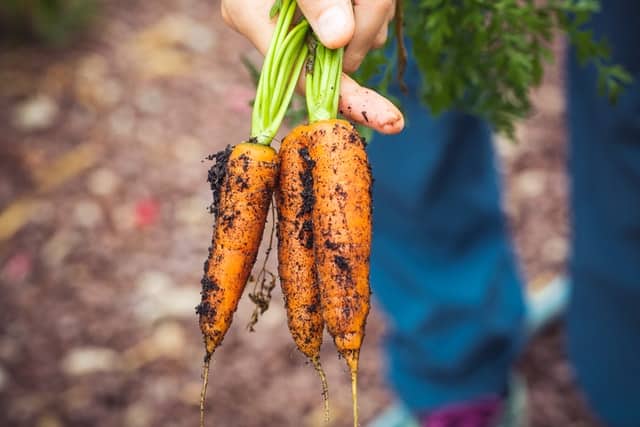
You should always try to buy organic potting soil when starting a container herb or veggie garden because you never know what chemicals may be lurking in the soil. The easiest way to do this is to go to your local nursery or garden store and buy organic seedling potting soil if you plan on growing your veggies in pots indoors. If you choose to grow them in outdoor raised beds, make sure the wood is untreated and safe for food crops and only plant veggies and herbs in these types of beds that can tolerate poor quality soil like carrots, beets, and turnips.
Harvest The Right Way
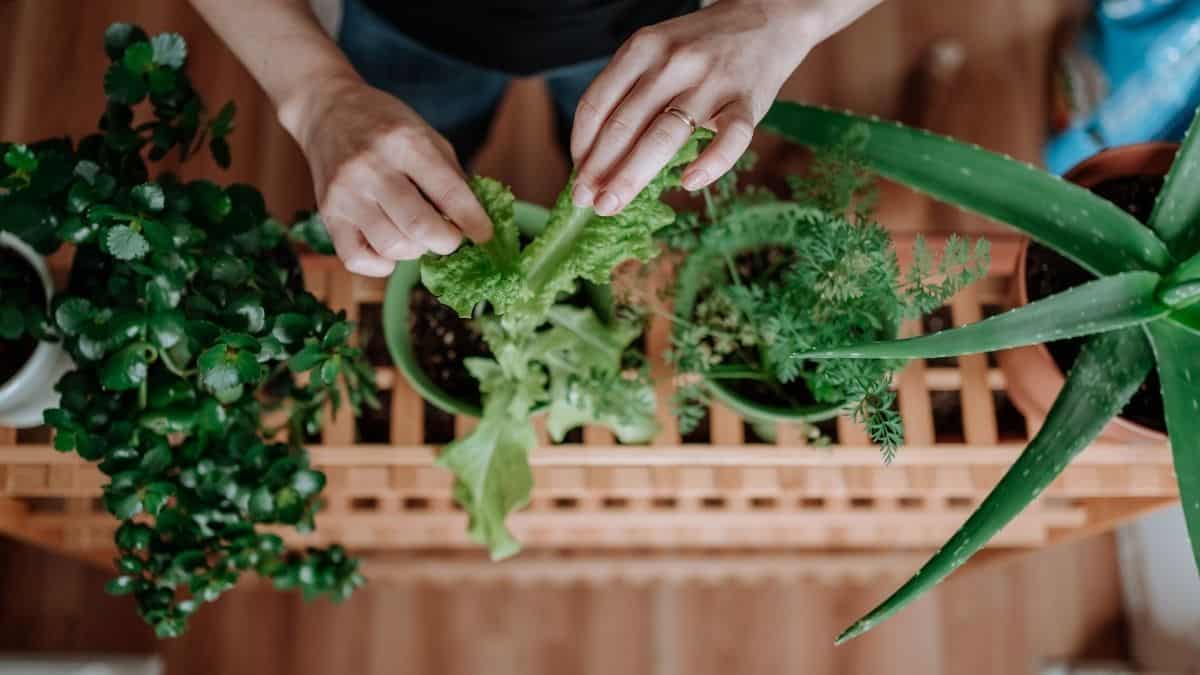
The best way to harvest your homegrown veggies and herbs is to cut them with a sharp knife rather than tearing or pulling them from their roots. If you harvest by cutting instead of tearing, your plant will grow back healthier and stronger for next time. Just make sure not to take more than a third of a plant’s leaves in one go so it doesn’t die. Herbs can be harvested repeatedly over the course of a single growing season, while veggies usually need at least 4-6 weeks between harvests so they have enough time to grow back healthy.
If you want to grow your own food, make sure to do your research and opt for organic growing methods. As you can see, even if you don’t have the space or time for a garden, buying hydroponic systems or potting soil will have your plants growing in no time. If you follow these easy steps to growing your own food, you’ll be sure to have plenty of vegetables and herbs for every meal all year long.