How to Keep Essential Foods Lasting Longer

We’re always looking for ways to keep food fresh. Learning how to keep food fresh longer is essential to avoid wasting groceries, especially those essential items including milk, bread, and fresh produce like fruit and vegetables.
Fresh produce is a core part of our diets. Unfortunately, the expiration date for fresh food items can go by in a flash, leaving our bread mouldy, milk sour, and vegetables soft if not stored correctly. And even when stored properly, these fresh food items won’t last forever.
Of course, there are alternatives to fresh produce, such as frozen fruit and vegetables and long-shelf life foods like milk powder. However, some items, such as bread or cheese, are hard to substitute. If you are an avid fresh produce purchaser, this article will take you through a few storage hacks that will help keep your produce fresher for longer.
We’ll even teach you about long-shelf life foods to stock up on so you don’t have to worry about how to make food last longer.
How To Store Produce: Fruit & Vegetables
First, let’s discuss where to store your fruits and vegetables to keep food fresh. Unfortunately, we can’t name every fruit and vegetable on this list. Although humans regularly consume roughly 200 different fruits and vegetables, hundreds and thousands of varieties are grown globally, many of which we’ve never even heard of or seen before.
However, if we did forget one you were curious about, you can head over to this article that will hopefully have what you need.
Storing Fruit & Vegetables in the Fridge:
- Lettuce
- Broccoli
- Carrots
- Cabbage
- Brussels sprouts
- Avocado
Storing Fruit & Vegetables at Room Temperature:
- Tomatoes
- Potatoes
- Apples
- Lemons
- Onion
- Garlic
- Bananas
Now let’s get into specific storage methods for your fresh fruits and vegetables.
How To Keep Food Fresh Longer
1. Paper towels and Leafy Greens
Whether buying a bag of loose-leaf lettuce or a whole head of iceberg, it’s essential to have some paper towels on hand.
Start by transferring your looseleaf lettuce into a Tupperware container after opening. Then you will want to add a paper towel to the bottom of the container and the top, which soaks up unwanted moisture and keeps your lettuce from going slimy.
If you have a head of lettuce that you want to keep whole, keep it in the plastic bag you bought and wrap a paper towel around it so it can soak up the moisture. If you are conscious about the environment and didn’t grab a plastic bag from the store, feel free to wrap the head of lettuce in a paper towel and leave it in the crisper.
2. Add Lemon!
If you have made a fruit salad and are planning on storing it in the fridge, add a squeeze of lemon to keep the fruit looking and tasting good. The acidity will help slow down the browning colour that occurs when the fruit is exposed to air that you usually see with bananas, apples and pineapple. Lemon also acts as an excellent dressing for your salad. We recommend adding a bit of mint to balance the acidity when eating!
3. Water Jars
We have the perfect hack for you if you like to chop up your vegetables for meal prep after shopping. Instead of keeping them in a container or a ziplock bag, grab some air-tight jars, pop your carrot sticks and celery inside (in separate jars), fill the jars with water, and they will last about a month.
Other vegetables you can keep in jars of water are kale and spinach. The best way to keep these is by only having the stems in the jar – the same way you would put flowers in a vase.
Storage Methods for Other Foods:
1. Jars (again)!
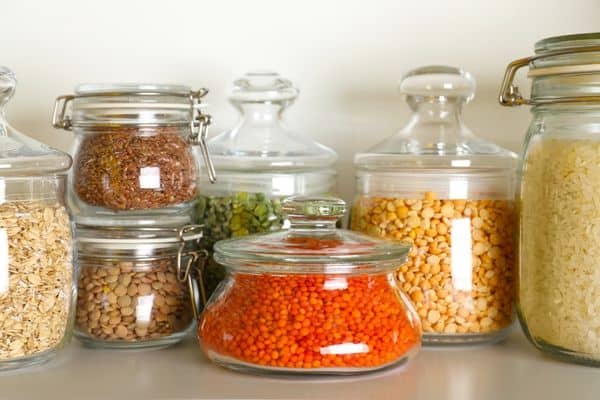
Stop using laundry pegs to seal up your pasta or cashew nuts in the bag they came in. Once opened, transfer your nuts, cereal, biscuits, or anything that will fit into a jar to keep it lasting longer. I promise it will keep your sultanas or cashews way fresher.
These are the items we recommend storing in jars (or containers) once opened:
- Nuts
- Sultanas
- Pasta
- Rice
- Grains
- Dried fruit
- Cereal
- Tea bags
2. Vacuum-sealed food
Vacuum-sealing your fresh produce is an excellent alternative to freezing. Almost every food product we buy is vacuumed-sealed before being put on the shelf. So having your own will allow you to extend the shelf life of your fresh food.
A vacuum sealer expels the air around the food, sealing the opening with heat for longer-lasting food. You can vacuum seal various foods such as bread, avocados, pre-made meals, bananas, deli meat and more!
Vacuum seals are great for storing:
- Fruits and vegetables
- Meats
- Cheeses
- Premade meals
You can click here for the complete list of items you didn’t know you could vacuum seal.
3. Food-safe solutions
If vacuum seals aren’t your thing due to the plastic sleeves used, or you want to swap out your cling wrap and ziplock bags for something more environmentally friendly, then Beeswax Wraps, silicone stretch lids and reusable zip lock bags are great at keeping food fresh.
- Beeswax Wraps are reusable sheets made from beeswax designed to be used as you would clingwrap.
- Silicone Stretch Lids will fit over square and round-shaped containers, replacing cling wrap entirely.
- Reusable Ziplock Bags are exactly what they sound like: ziplock bags that can be reused repeatedly after a quick wash in between uses.
4. Freeze your bread
If you constantly throw out mouldy bread after a few days of buying it and don’t have a vacuum sealer, one way to store bread is in the freezer. Feezing your bread is a great way to get bread lasting for months! It reduces waste, keeps it fresh, and will not go mouldy in the freezer!
Simply throw it in the microwave for 10-20 seconds for a fresh piece of bread. Or simply pop it in the toaster like you would typically with fresh bread for a crispy toast.
Why does frozen food last longer? Temperature is vital to the shelf life of food. Because freezers operate at below zero temperatures, they keep food from spoiling.
Meat and vegetables can technically be frozen for years without any problem of food poisoning, although this will result in a reduction in nutrient value and quality. Ideally, you shouldn’t store frozen food for longer than six weeks.
Long shelf life food alternatives
Sometimes, there is no easy solution to keeping fresh produce lasting longer. Milk is a tricky one and can only be stored one way – in the fridge. Because of its composure, we recommend keeping powdered milk in your cupboard as a backup.
You’ve no doubt felt your heart drop after adding cereal to your bowl, only to realise you have no milk in the fridge. Milk powder is always near the top of the list of long-shelf life foods to stock up on.
Natureday Dairy milk powder is an excellent alternative to fresh milk as it is packed with vitamins and minerals. It’s also A2+, making it easier on sensitive stomachs. Plus, it lasts up to three years in the cupboard, allowing you to stock up for the long haul—no more spoiled milk in the fridge.
Follow the instructions, add five heaped scoops to water, mix and enjoy!