How to Use a Ceiling Fan Correctly to Reduce Energy Costs

There’s nothing like beautiful summer weather in Brisbane. While we all enjoy the warmth, it can begin to become a little unbearable when you’re getting all hot and clammy in the comfort of your own home.
Luckily, you can help improve your indoor airflow and keep your family cool when you use your ceiling fan correctly.
Here’s some tips on how to use your ceiling fan to cool your home while still keeping your energy costs low.
Ceiling fans are a staple in many homes, especially ones that experience warmer climates. Using your ceiling fan in summer might not necessarily reduce the temperature in your home; however, it can assist with the all-too-important airflow in your home.
Plus, using your ceiling fan with your air conditioner can actually help reduce your energy costs significantly. Contrary to popular belief, you can even use your ceiling fan during the winter. Follow these tips to make most of your ceiling fan, while reducing your energy costs.
Why You Should Consider Investing in a Ceiling Fan
Not everybody wants (or can afford) to have their AC blaring at full steam throughout summer. It’s not economical nor environmentally friendly.
Ceiling fans optimize natural airflow and are incredibly energy efficient – using as much energy as a 60 W light bulb.
The cool air over your skin, caused by the increase in airflow, tricks your body into cooling itself down.
There are also many energy saving ceiling fans in the market today which can radically reduce your energy costs. Consider looking for a ceiling fan with an Energy Star® Label. These fans have been tested to move air 20% more effectively than your average ceiling fan.
Knowing Which Ceiling Fan is Right For You
When purchasing a ceiling fan, you really want to invest in the most efficient one- how much airflow are you getting for much energy is being used?
As we said, most energy-saving ceiling fans are optimized for exactly this, however it’s good to check the CFM (cubic feet per minute) / Watt rating. A good ceiling fan should sit around 100 cfm/watt.
The most common size for ceiling fans is 52-inches (132 cm) and would be appropriate for a space up to 20 metres squared. Smaller rooms will only need a fan up to 122 cm.
When it comes to the blades, you generally can go with your preference. Bigger size blades tend to drag through the air which can slow your motor, and will increase your energy costs. 3-Blade fans, while more expensive, do circulate far more air at a slower speed, which makes it more cost-effective in the long run.
Timber fan blades are great for bedrooms and living spaces, as they are far quieter than its metal counterpart. Metal fan blades will make more noise but are great in spaces like kitchens as they are better in circulating air.

Installing your Ceiling Fan in the Right Place
Placing your ceiling fan in the right place is actually really important. Flush mounted or hugger fans are far less effective and will use far more electricity to run.
When installing your ceiling fan be mindful of the following factors:
- Place your ceiling fan at least 18 inches (45 cm) away from any walls.
- Fan blades should be no closer than 8 inches (20 cm) from the ceiling.
We recommend contacting a ceiling fan installation specialist so you can ensure your fan is installed properly and in just the right spot.
Using your Ceiling Fan in Summer
As temperatures rise in the summer months, many people start to make use of their ceiling fan, but not everyone knows how to use them effectively.
Keeping your fan running for the whole day is a common mistake. Fans are designed to cool people, not rooms necessarily. Leaving your fan running is ineffective because your fan motor actually generates a significant amount of its own heat.
When left for long periods, you may generate warmer air than colder air.
Running your fan for the whole day is also not very economical.
Only run your ceiling fan when in the room, and make sure you have plenty of windows so your fan can circulate plenty of fresh air.
Using Your Ceiling Fan with Your Air Conditioner
You might not think it, but running your ceiling fan in conjunction with your air conditioner can lower your energy costs by up to 40%.
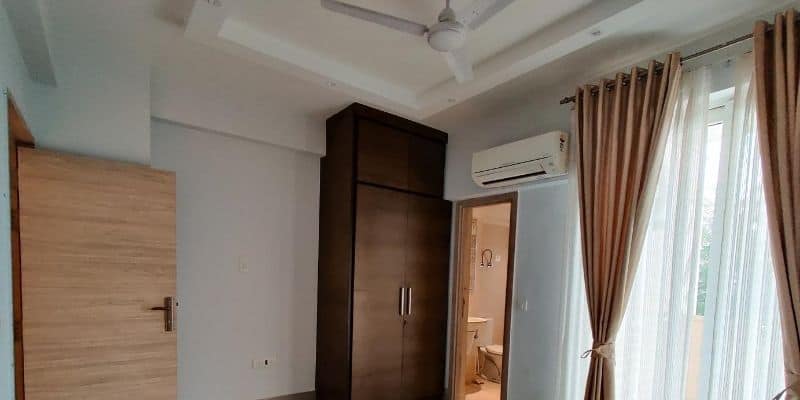
A fan already has a natural cooling effect because it creates a breeze over your skin. When you run your AC with your ceiling fan, your AC is creating the cool air and your fan is circulating it throughout the room.
This means you won’t have to set your air conditioner as low and will cool your living room or bedroom far quicker.
Using your Ceiling Fan in Winter
For many people, it’s an absolute revelation to find out you can actually use your ceiling fan in the winter.
Most modern ceiling fans come with a ‘winter mode’. Generally, around the base of your ceiling fan, you’ll be able to find a switch which will change the direction of your blades. Instead of pushing air down, it’ll create an updraft drawing in the cooler air and pushing out the warm that sits near your ceilings.
This nifty little trick can save you up to 10% on heating costs.
Who would’ve thought using a ceiling fan can reduce electricity costs?
Follow these tips and tricks on how to use a ceiling fan correctly to reduce energy costs, and you can keep your whole family cool this summer and a little extra warm in winter!