How to Workout with Weights at Home

On account of the global coronavirus pandemic, many places, including gyms, have shut down as a result of the enforced lockdowns and advised social distancing practices. The good news is that you don’t have to go to the gym to work out with weights. Even before the lockdown, a lot of people liked the idea of working out with weights at home instead of going to the gym. To help you start practicing using weights at home, we’ve created a brief guide that should help you hit the ground running.
Preparations and Precautions
Unlike cardio and bodyweight exercises, weight workouts carry a bit more risk because there is a larger room for error, from dropping weights on your body to overworking your muscles. You’ll want to ensure that you’re following the proper techniques and methods to avoid risking injury. If you have any health conditions or injuries, you may need to get back to your doctor before adding weight lifting to your exercise routine. It’s recommended that beginners start doing exercises with the lightest weights available. As mentioned on https://fintys.com.au/equipment/adjustable-dumbbells/, adjustable dumbbells can be especially great for beginners because they allow you to control the weight of a single set of dumbbells, making it more ergonomic and economic than buying multiple sets of different weights. Gradually increase the weights as you become more comfortable with the exercises and their techniques.
Chest Press
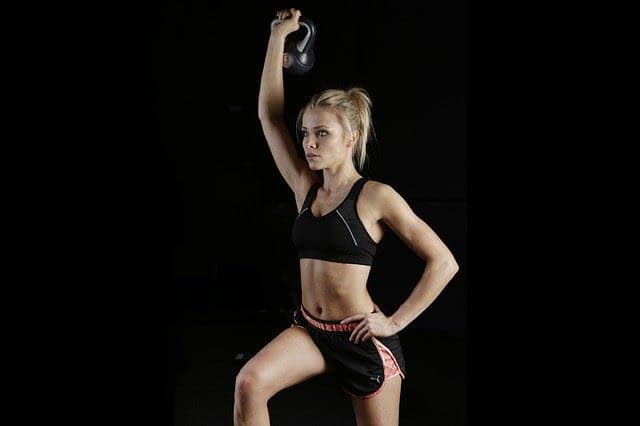
It’s hard to find a workout set that is as popular as the classic chest press. The best thing about this exercise is that you don’t really need any major or expensive equipment; a flat bench and a few dumbbell sets should do the trick. This exercise focuses primarily on your chest, in addition to being effective in strengthening your shoulders and triceps. To properly do it, lie with your back on a flat bench and raise the dumbbells above your chest by completely stretching your arms upwards. Slowly lower the weights by bending your elbows until they reach a 90-degree angle. Depending on your preferences and experience, you can do 1 to 3 sets of 8 to 16 reps of this exercise.
Overhead Press
The overhead press focuses on the shoulder muscles, which are probably quite ready after you worked them during the chest press exercise. The overhead press should be your go-to solution if you want to build strong shoulder muscles. First, keep your feet at hip-distance as you stand. While holding the dumbbells, make sure your elbows are bent at around 90-degree with the tip of the dumbbell being at ear level. Ensure that your back is straightened as you start pushing the weights overhead, in addition to slightly tightening the abs. A maximum of 3 sets composed of 8 to 16 reps should be more than enough to give your shoulders some action.
Deadlifts
Deadlifts are one of the most important exercises in any weightlifter’s routine, regardless of most individual goals. The reason deadlifts are so popular is that they work the whole body quite efficiently. But those great benefits come with their fair share of downsides. The wrong routine can seriously harm your lower back. Ensure your feet are hip-width apart and that your back is straightened flat. The weights should be parallel to your thighs and slowly lower the weight until it touches the ground. The sets and reps are dependent on the weight but always start with the lowest weight to get a good feel of the motion and master the technique.
Squats
If there is one thing squats are known for, it’s their effect on almost every muscle group in the body. You’ll be hard-pressed to find a total body workout that doesn’t have a few sets of squats. Squats are primarily exercised to improve the lower body muscles. Make sure you stand with your feet hip-apart while holding your weights. Slowly bend your knees to get into the squat position. Your knees shouldn’t get ahead of your toes as you squat to the lowest position you can. Squats can be done with either a barbell resting on your upper back or with dumbbells in each hand. Put the majority of the squat’s pressure on the right spots by pushing your lower back out, reducing the pressure on your knees.
While a gym will definitely provide you with more sophisticated equipment and a professional workout setup, you can achieve very close results if you properly set up the right environment at your home. As long as you establish a weightlifting routine, you’ll start noticing similar gains to the one you had in a gym.