How to Improve the Air Quality of Your Home

The air quality in your home can have a much more significant impact on your health than you may realise. Unhealthy indoor air quality can cause headaches, dizziness, inflammation of your ears, nose, and throat, and even serious respiratory diseases.
Here are eight ideas for improving the air quality of your home that are essential for your long-term comfort and health.
1. Invest In An Air Purifier
One of the main ways to improve indoor air quality is investing in a good quality air purifier. Ionic air purifiers can help capture some of the irritants that can trigger allergy symptoms. If you cannot remove the allergens altogether, these air purifiers can help you cut down on them, which can significantly help improve your respiratory health.
If you don’t wish to purchase an air purifier separately, you can consider installing air conditioning with MERV-13 filtration to greatly reduce the inhalation of pollutants, dust, mould spores, pollen, and smoke.
You should also consider using a dehumidifier in damp areas, such as bathrooms and basements, to prevent mould growth. Make sure that these rooms are well-ventilated — and keep an eye out for any mould growing on walls, in fixtures, or showers. You want to scrub it off immediately.
2. Keep Your House Clean
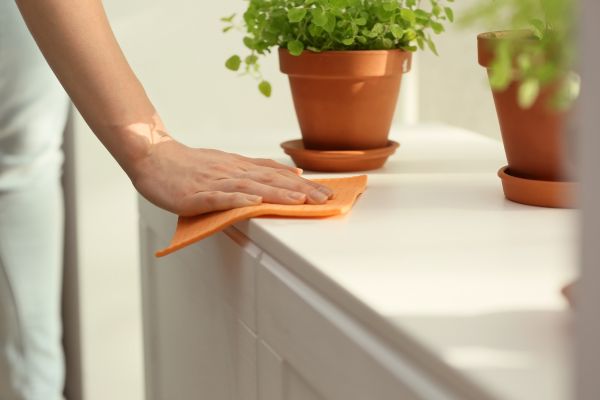
A clean house is a healthy house, especially when it comes to air quality. Good indoor hygiene can reduce dust, debris, irritants, and animal hair in the air, improving the quality of the air you’re breathing.
Your cleaning efforts should focus on reducing the accumulation of mould, pet fur, and dust. Focus on the following:
- Vacuuming carpets and rugs at least once or twice a week with a HEPA filter-equipped vacuum cleaner. Carpets can be hoarding sites for dust, bacteria, and allergens and play a great role in determining indoor air quality. Read these carpet cleaning tips and tricks to keep your carpets spotless and allergen-free.
- Regularly clean drapes, bedding, and other items that attract allergens, especially if you have pets. Also, consider using dust mite-proof covers for pillows and mattresses if possible. You should wash your bedding and drapes in water that is at least 130° F to kill most bacteria and irritants.
- Clean clutter and wipe all surfaces regularly to prevent the accumulation of dust.
- Try to cut back on chemicals by cleaning with natural ingredients to further reduce irritants in your home air.
3. Let In Fresh Air
Improving air quality can be as quick and simple as opening ventilation windows. When you cannot remove sources of air pollution from your house, just letting fresh air inside can make a world of difference.
While throwing your windows open is not always practical, depending on the humidity, weather, and pollution levels outside, let in fresh air whenever possible and ensure plenty of ventilation in all parts of your house.
4. Maintain Good Humidity Levels
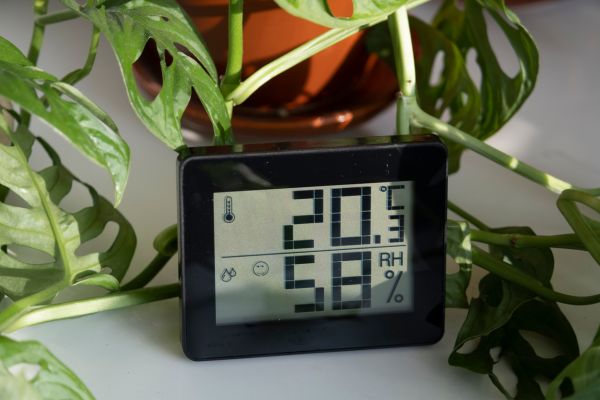
Keeping your home at ideal humidity levels is vital for a healthy air environment. In winter, you should invest in a humidifier to return moisture to your air through a portable or professionally installed system. In summer, you will likely need a dehumidifier to make your air feel lighter and easier to breathe.
5. Use Exhaust Fans
Bathroom and kitchen exhaust fans can help improve indoor air quality by removing stale, humid air from your home. While you may not like the extra power usage and the grating sound of an exhaust fan, you will notice a noticeable improvement in your air quality that is very worth it.
Exhaust fans work by constantly drawing air outside the house and drawing fresh air in to replace it. You don’t have to run the fan continuously – just run it for 20 minutes after cooking, taking a shower, or when you think your home air needs a refresh.
6. Avoid Scented Items
While scented candles, air fresheners, and oil diffusers can make your space smell fantastic for a short while, they can contribute to the poor air quality inside your house. Some scented products contain harmful VOCs (volatile organic compounds), such as toluene, benzene, and formaldehyde, that can be seriously hazardous to your health.
Excess exposure to harmful VOCs can irritate your eyes, nose, and throat, causing headaches, dizziness, and respiratory diseases in the long run.
So, avoid using scented items and other products that contain VOCs, such as cleaning, cosmetic, and disinfecting products. If you must use them, make sure you thoroughly ventilate your home afterward.
7. Check Air Ducts & Vents
Keeping your air ducts clean is essential to improve the air quality inside your home. If you’re experiencing an increase in allergy flare-ups or notice visible dust build-up on your ducts and furniture, these are sure signs that your air ducts need cleaning.
Cleaning air ducts can be complex, so reach out to professionals to get the job done. Schedule regular cleaning appointments to keep your home air crisp, clean, and allergen-free.
Also, ensure your kitchen and bathroom vents are clean and working properly. Whether you have a hood or a microwave with a carbon filter in your kitchen, regularly cleaning them is essential to reduce levels of harmful gases like carbon monoxide and other irritants in your home.

8. Consider Buying Houseplants
Indoor plants are a great way to add life and greenery to your home space, but they can also help purify your air and increase oxygen levels. Some air-filtering plants can filter out harmful chemicals from cleaning products, carpets, furniture, natural gas, trash, etc.
However, these plants should be well-cared for to inhibit mould growth. Plants can also be allergy triggers for some people, so you may want to skip this step if they are irritants for you.
The Bottom Line
Various factors can impact the air quality of your living space, leading to a range of short and long-term health effects. Follow the steps above to reduce pollutants, maximise air quality in your home, and ensure healthy living for you and your family.