
Buying Your Child a Connected Device this Christmas? Don’t Forget These 3 Things

If your children are anything like mine, their Christmas wish-lists will be littered with the newest, fastest, shiniest devices that they simply ‘need’ to have. After all, ‘everyone’s got one’, right?’
Our digitally native children have an affinity for the latest connected technologies (that is anything that connects to the internet) from gaming consoles and home assistants, to smartwatches and drones. In fact, by 2025 we can expect 41.6 billion of such devices to exist. And whether we understand it or not, many of us will be looking to contribute to this growing statistic and purchase a connected device for our kids this holiday season.
For busy parents, this time of year can prove particularly frantic, making it tricky to take a step back and think twice about these purchases as we try to make it through our lengthy ‘to-do’ lists in time.
But failing to do so means you are potentially putting your family in danger. Taking some time to consider the risks associated with buying connected gifts for your kids is an important part of being a digital parent. Whether it’s accessing inappropriate material online, the potential to be hacked or even the risk of being cyberbullied, it’s important to take some time to think about the risks so we can develop ways to mitigate them.
Introducing technology into the home can seem scary but rest assured you don’t need to do this alone. There are so many tips, tricks and resources you can use to ensure your children get the connected Christmas gift they’ve been discussing with Santa while having a safe and secure online experience.
Here are my three top tips to consider when purchasing your child a connected device this holiday period:
1. Check to see how secure the device is itself
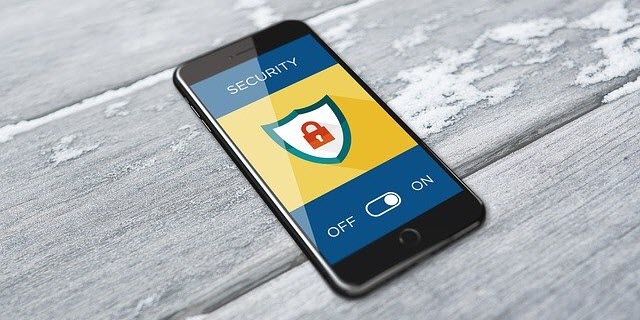
Before making your purchase, do some extra research into the product and check reviews online to get an idea of its security track record. For example, has anyone reported on whether the device has been hacked before, or has the company been found to be sharing data with third-parties? Unfortunately, security isn’t always top of mind for those designing the device which can put your family’s personal information and privacy at risk.
If the device comes with stock standard security settings and a default password, make sure you change them straight away into something more secure before handing them over to the kids. Unique passwords with a combo of phrases, upper-case and lower-case letters, number and symbols are always best. Why not consider a random phrase or non-sensical sentence?
It is also important to remember that cybersecurity doesn’t have a ‘set and forget’ solution, with cybercriminals constantly finding different ways to get into your devices and steal your personal details. Ensuring the devices’ software is always up-to-date, passwords are regularly changed and privacy policies are checked over time are all necessary steps to keep your family’s data out of harm’s way.
If this seems daunting, why not consider solutions like security software and password managers. But it is important to ask yourself if you’re willing to commit the time and effort to help your kids secure their devices on an ongoing basis before purchasing one.
2. Encourage open conversation and set expectations from the get-go

Whether it is your child’s first device or a new addition to their fleet, it is important to set everyone’s expectations around how the devices will be used from the very beginning. Formalising these expectations into a family technology contract is one of my favourite ways to make sure rules around screen time, appropriate content, and sharing personal information are clear and are agreed on by everyone.
As there is definitely no one-size-fits-all approach to technology rules in the house, particularly when you consider children from different age groups, it is a great idea to get the whole family involved in creating the contract to figure out what makes sense for you. Check out this great option from ThinkUKnow.
An online family safety contract will also encourage open, two-way conversation about the issues your children may face online. There will inevitably be a slip-up or a new threat you can’t protect them from at some point, but it is important that your children feel as if they can come to you with any sticky situation they find themselves in without getting in trouble for breaking a rule or making a poor judgement call.
3. Set the right example

Children are extremely impressionable and often mimic what we do and say, sometimes to our dismay. This is something we should all be mindful of when it comes to our own cybersecurity behaviours because we in fact are their biggest role models.
If you constantly have your phone attached to your person then it is inevitable your child will too. If you adopt an aggressive or inflammatory tone when dealing with people online then don’t be alarmed when your kids do also. Modelling good digital citizenship and a balanced approach to technology needs to be a huge priority for all parents.
So, if connected devices are top of your kids Christmas list this year – then don’t stress. With a little bit of planning and a few simple strategies, your kids can safely enjoy the wonders of the digital world while having a very Merry Christmas!
By: Alex Merton-McCann, Online Consumer Safety Advocate and Cybermum at McAfee