Japanese Encephalitis: Protect Your Little Ones (And Yourself!)

Australia has been dealing with high rainfall and floods which increased the risk of an exotic virus called Japanese encephalitis. The virus is spread by mosquitoes, who thrive in the leftover rainwater.
It’s best to be well informed on this disease, its symptoms, and how to prevent it from infecting you and your family.
What Is Japanese Encephalitis?
Japanese encephalitis (JE) is a viral infection that is spread through infected mosquito bites. It causes swelling of the brain. This virus is mostly found in pigs and birds and is passed on to mosquitos when they feed on infected animals. JE cannot be spread from individual to individual.
Japanese Encephalitis currently has no cure, and treatment involves supporting the functions of the body as it fights the infection. When a person contracts JE, it is best to be admitted to the hospital so they can be given lots of fluids, oxygen, and medication to treat their symptoms.
However, if their symptoms are not bad, they can do this at home.
Climate change and extreme weather, especially in Australia, play a big role in its quick spread. The virus spread across the eastern coast into South Australia. Therefore, you should be aware of any indicators and prevention methods.
JE is diagnosed by measuring the level of antibodies to the virus in blood samples or spinal fluids. Luckily, an infected person does not put you at risk. If you or your children have JE symptoms, you should get it checked out immediately.
How Does The Virus Spread?
The disease is spread by mosquitos and is found in pigs, horses, and birds. It spreads through mosquitoes who contracted it from pigs or water birds. This makes mosquitoes a vector of the disease.
It does not transmit from animal to animal, human to human, or animal to humans. Mosquitoes are the only thing that can infect you with the disease.
While donkeys and horses also carry the virus, it is not in high amounts in their blood to infect mosquitoes. On the other hand, waterbirds are the main source of JE as they have a high amount of the virus in their blood. They can pass this to mosquitoes, where it can last for seven days.
Pigs are another source of the virus, with them infecting mosquitoes for about four days. Luckily, you cannot get JE if you eat these animal products, however, if you live on these farms or close to them, you should be sure to take preventative measures.
The Situation In Australia: Why Are The Numbers So High?
Australia has been experiencing some hectic changes in weather; I know you’ve noticed since your kids are stuck inside more often now! The waterways where infected birds have come are also one of the reasons why JE spread so rapidly across the country.
The east coast has had very heavy rainfall leading to floods, and the amount of migratory infected birds is increasing due to the sudden availability of water. This only increases the risks. A study showed that global warming caused an increase in rainfall, leading to the increased breeding of mosquito vectors.
Who’s At Risk?
JE has been noticed in commercial piggeries in Queensland, Victoria, and South Australia. The infection risks are highest among individuals of the following:
- Individuals who like to participate in outdoor activities near waterways.
- Individuals who are working or living close to piggeries that have confirmed cases of JE.
JE is also prevalent in Asia and certain parts of the Pacific. For travelers, the risk of getting JE is pretty low. However, if they traveled and stayed more than a month in rural areas in countries where JE cases are high or in the Torres Strait Islands, their risk is increased.
How Can I Protect My Family From Japanese Encephalitis?

You can take preventative measures, so you and your family don’t get infected with the disease.
Firstly, you have to avoid mosquito bites.
The infected mosquitoes are most active at dawn and into the evening. You have to take extra care during peak mosquito hours, avoid going outdoors or take the necessary precautions if you are.
Insect repellent is the best option. I’ve compiled the best insect repellents which are kind to a baby’s skin while being effective. This needs to be an important routine in their skincare!
Personal protection measures:
- Make sure all members of your family apply repellent to all exposed skin. Repellents that contain picaridin, DEET, or oil of lemon eucalyptus are very effective at keeping mosquitoes away. You should opt for one with high strength, as it provides a longer period of protection. Always check for reapplication times.
- Reapply your insect repellent after swimming and on hot days. Sweat can reduce the repellent. This goes for your baby as well.
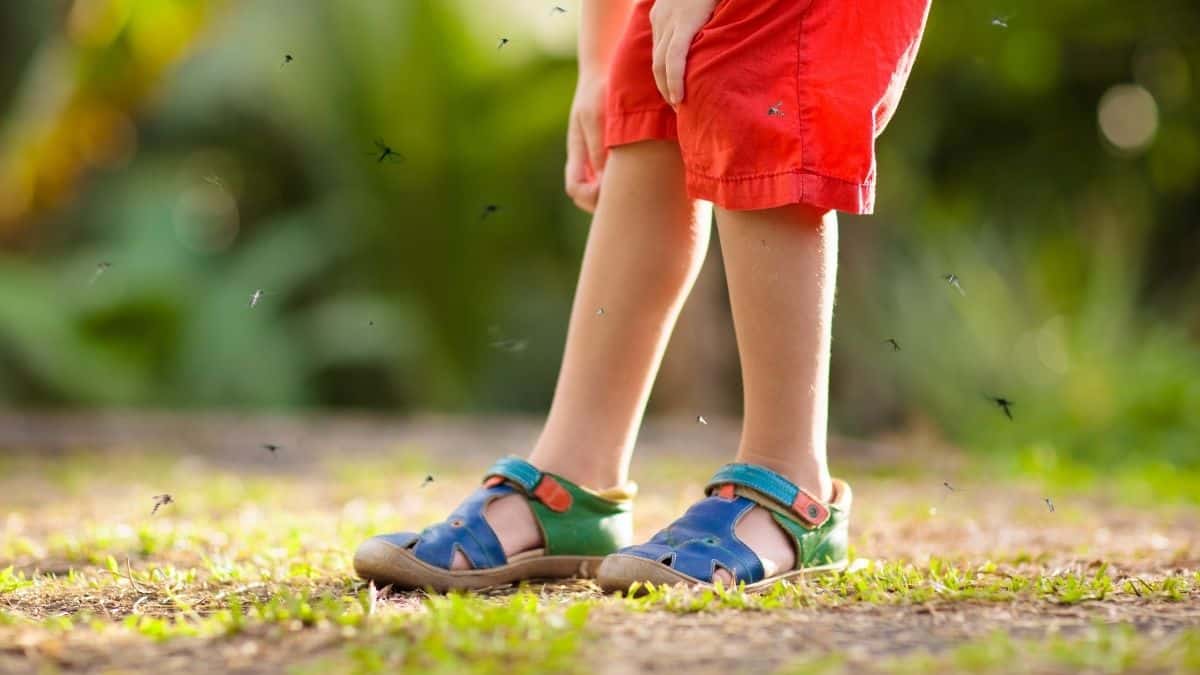
- Wear light-colored and loose-fitting long-sleeved shirts, long pants, and closed-toe footwear. Also, wear socks to reduce skin exposure. You can also use certain insecticides for treating your clothes if you are spending a long time outside.
- Apply your sunscreen first, then repellent. DEET-containing repellents can reduce the SPF of your sunscreen, so you have to reapply more times if you’re outdoors.
- Most repellents are safe for your kids if they are aged 3 months and above. Always check product information for any allergens and important directions.
- Always have mosquito netting on your baby carrier when going outdoors.
Environmental protection:
- Always have a bug zapper on your front and back porches so that you can enjoy a nice cup of tea in the evening. This is also helpful for kids to get some sunlight. I’ve compiled my top 5 bug zappers in Australia, take a look!
- Sleep in rooms that has flyscreens. Check your screens properly for holes or tears. Put a mosquito net over your chtop 5 bug zappersildren’s beds and baby’s crib for added protection.
- If you’re camping, make sure your tent is protected with a flyscreen or sleep with a mosquito net.
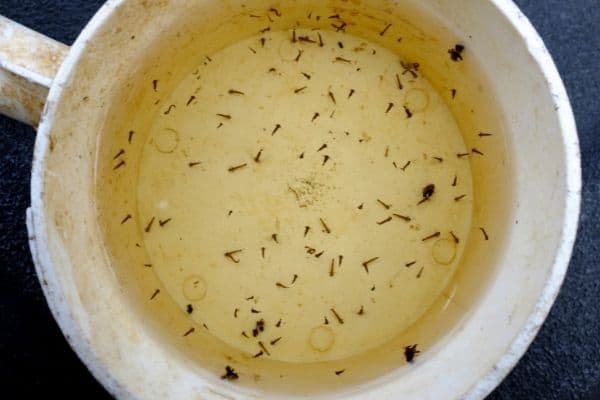
- Avoid keeping water in containers around your home. After periods of heavy rainfall, make sure to empty any standing water if possible. Mosquitoes can breed in standing water.
- Use insecticide sprays if you see a mosquito in the room. Spray behind your furniture and in dark places.
- You can also use mosquito coils and plug-in devices that help prevent bites. This should be used with repellents.
What Happens If One Of My Family Members Gets Japanese Encephalitis?
JE infections do not exhibit any symptoms in 99% of cases, and those who do get sick experience very mild, flu-like symptoms. However, in serious cases, it can cause rapid swelling of the brain.
The fatality rate of JE is 25% to 30%.
You should be aware of the following symptoms in yourself or your children:
- Stiff neck
- Fever
- Severe headache
- Movement issues
- Sensitivity to light and sound
These may indicate brain swelling.
Around 30% to 50% of JEV survivors have permanent difficulties, such as central nervous system damage. This results in movement sensory and cognitive issues. Older adults, immunocompromised, and children under five are particularly susceptible.
If an infected person has symptoms, they usually present themselves 5 to 15 days after being infected. You should immediately take your children to the hospital if you notice these symptoms.
Japanese Encephalitis Vaccine – Is it worth it?

Fortunately, JE is a vaccine-preventable disease. These vaccines are advised for people who are at high risk of exposure (i.e. pig farmers and workers). You can also take it as a preventative measure.
There are two JE vaccines registered for use in Australia. They are Imojev and JEspect.
Imojev vaccine
Imojev contains a weakened version of the JE virus. This makes your body produce more antibodies suited to fight off infection. It is given as a single dose and can be used in people aged 9 months and over.
The vaccine is not suitable for:
- Pregnant women
- Immunocompromised people
It is widely preferred since its only one dose.
JEspect vaccine
JEspect is an inactivated vaccine. It’s given in 2 doses, either 28 days in between or 7 days for adults if they are at high risk of exposure to the virus. It can be used in individuals over 2 months old. It is also suitable for pregnant women and immunocompromised individuals.
Will My Children Experience Any Side Effects From The Vaccine?
Common side effects of the vaccine may include:
- Redness
- Tenderness
- Pain
- Swelling at vaccine point
Research shows the vaccine is very safe for your kids! Your children may experience fever, and adults usually experience headaches or muscle aches. These disappear within a few days.
Frequently Asked Questions
Which mosquito causes Japanese encephalitis?
The virus is spread to humans through the bite of an infected mosquito from the Culex species, specifically Culex tritaeniorhynchus.
How long does Japanese encephalitis vaccine last?
Once you have received your vaccine, you are protected from the virus for 12 to 24 months. After one year, you may require a booster. This applies to children as well.
How long does Japanese encephalitis last?
Most cases of the virus have an incubation time of 2 to 26 days, and usually, cases are sorted within a few days or a week. However, some people are unwell for a long time and may suffer from ongoing neurological problems. This is very rare, though.