Things to Keep in Mind Before Buying Your First Car

It’s an exciting time when you’re ready to buy your first car. Having said that, it can also be a little overwhelming – especially if you don’t know much about cars! You may need a vehicle for work or so you can travel Europe stress-free with kids. Alternatively, you just need a small runaround for local shopping and school runs. In this article, we’ll make the process easier and less stressful by discussing some of the things you need to keep in mind before buying your first car.
Consider Your Budget
First of all, you need to think about how much you can afford to spend on a car, and what monthly payments you can realistically make. It’s also important to consider the long-term costs of owning a car, such as insurance, gas and servicing/maintenance. Even with careful research and inspections, unexpected issues can sneak in, so it’s always wise to budget for potential car repair costs when purchasing your first vehicle. Start by looking at your overall budget and debt situation. Once you have a good idea of your financial picture, you can then start looking at cars that fit into your budget (be they new or secondhand).
If money’s an issue, it’s better to buy a cheaper car that’s reliable and has low running costs than to buy an expensive car that’s likely to have more costly repairs. When you use the internet to find cars for sale you can often state how much you can spend per month, and also enter your deposit or trade-in amount. You can find thousands of used cars to choose from – be they Utes, city cars or 4WDs – and discover what’s currently popular.

Assess Your Specific Needs
Ask yourself: Do you require a car that can fit a lot of people and gear? Do you want something fuel-efficient? Do you need a four-wheel drive for off-roading or bad weather conditions? Think about how often you’ll be using the car and how far you’ll be driving. All these factors can help narrow down which type of car is right for you.
Another thing to consider is what kind of features you might want or need in a car. For example, do you want Bluetooth connectivity so you can stream music or make hands-free phone calls? Do you want a sunroof or moonroof, or help with navigation? Think about what features are must-haves and which ones you can live without. This can help you further narrow down your buying choices.
Take A Test Drive
Before you buy a vehicle, you should always take it for a test drive. This will help you get a feel for the car and see how it handles. Be sure to go on different kinds of roads so that you can experience how the car performs in different conditions. You should also pay attention to the car’s features; try them all out to see if they work well and meet your needs. You should also pay attention to the following:
- The brakes: How do they feel? Are they responsive?
- The accelerator: Does the car accelerate smoothly? Is there any delay?
- The steering: Does the car turn easily? Is the steering wheel easy to grip?
- The suspension: How does the car ride? Is it comfortable or jarring?
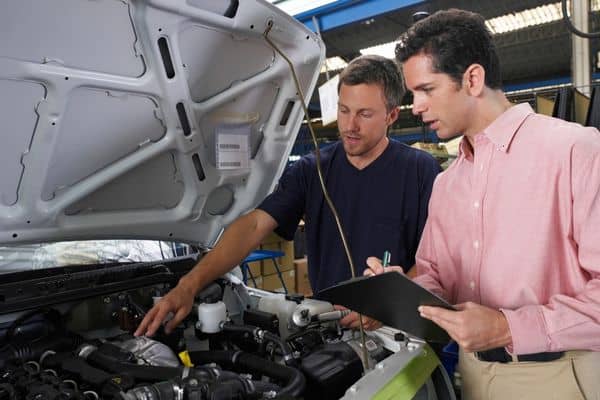
It’s also worth checking out the car body for rust etc. If you’re not confident with cars, bring along someone who is, whether it’s a friend or a reputable mechanic. They’ll be able to look for potential issues and potentially save you from making a mistake/paying too much.
Be Prepared To Negotiate
The car’s sale price may not be set in stone. The dealership’s goal is to make as much money from you as possible, so they’ll do whatever they can to convince you that their offer’s the best one for you. The correct way to combat this is by doing your research ahead of time and knowing what kind of price range you should be expecting for the car you’re interested in. This way, when they give you their first offer, you’ll be able to counter with a more reasonable one of your own.
Be ready to negotiate, and bring someone to do this for you if necessary. You should also decide in advance the top amount you’ll be prepared to pay for the car. This way you won’t get carried away in the heat of the moment, overspending and putting yourself into financial difficulty.
Be Wary Of Add-Ons And Extras
When you’re at the dealership, they’ll try to sell you all sorts of add-ons and extras for your car. These can include things like:
- extended warranties
- gap insurance
- rust-proofing
- tinted windows
While some of these may be things you’re interested in, don’t feel like you have to buy them all. The salespeople will often try to pressure you into buying them, but just remember that you can always say no. Once again you need to do your research ahead of time. This way you’ll know which extras are worth getting and which ones you can pass on.
Think About Safety
When you’re looking for your first car (as a new driver), safety should be one of your top priorities. After all, you want to protect yourself, your family, your pet and any other passengers. First, look at the crash test ratings because they’ll give you an idea of how well the car will protect you in the event of an accident.
You can also look at features like airbags and seatbelts to see how they would work in a real-world situation. Finally, think about things like blind spot monitors and adaptive cruise control, which can help you avoid specific accidents. By considering all of these factors, you can be sure that you’re choosing a safe car for your needs.
As you can see, there are plenty of important things to consider before you purchase your first car. That’s why you should get plenty of advice and do lots of research upfront. If you choose wisely, you’ll have the perfect vehicle for your needs. Whether it’s economy, luxury or something else it’ll serve your purpose both now and for many years to come.