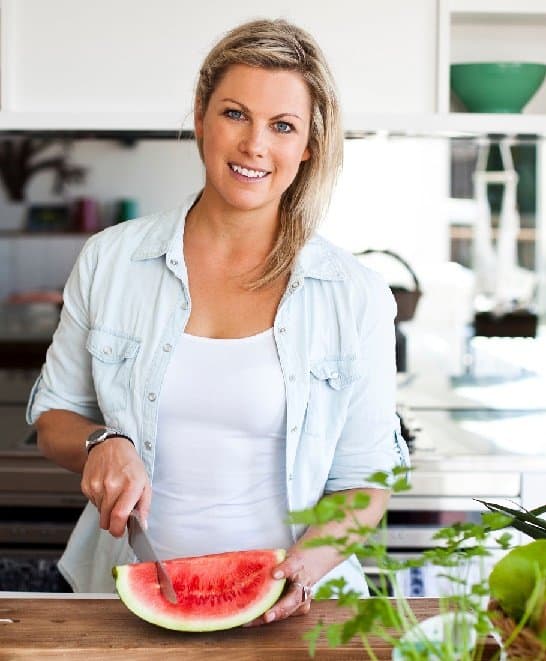
Top Kids’ Snacking Tips from Skye Swaney Children’s dietitian and nutritionist

Snacks are a great opportunity to get some extra nutrients into your child’s diet. We all know the importance of having 5 serves of veg each day for example, but this is much easier said than done if we’re just depending on lunch and dinner. By offering up nutritious snacks throughout the day you can chip away at these daily requirements on the go!
It’s important to teach kids healthy snacking habits early on so that they can continue these throughout their lives. One of the reasons we’re seeing so much diet related disease these days is because of poor snacking habits. Teaching kids how to snack well and why this is so important can really help to protect them from diet related health issues further down the track.
Here are 5 ‘snack sized’ tips to remember when it comes to preparing snacks for your kids!
1. Don’t Skimp On Snacks:
Snacks are a great opportunity to get extra nutrients into kids’ diets which they might otherwise miss out on. Fruit and vegetables offer vitamins, minerals and fibre, dairy foods provide calcium along with a package of nutrients including protein, vitamins and minerals, whole grains will give kids extra B vitamins and fibre, while nuts provide protein and iron.
Ideally, snacks should contain a combination of protein and carbohydrates. Protein helps our muscles to grow and repair and also helps to fill us up, exactly what we want out of a snack. Carbohydrates are the body’s main source of fuel and provide kids with energy to play, learn and grow. Some great snack options are fruit and yoghurt (pouch packs like Yoplait Petit Miam are convenient for on-the-go snacking), vegie sticks with hummus or nut butter, wholegrain crackers with cheese or a homemade smoothie with fruit, milk and yoghurt.
- Avoid Sugary snacks
Snacks such as muesli bars, fruit bars, muffins and many of the flavoured yoghurts on the market might claim to be healthy but actually have huge amounts of sugar. Choose snacks which are minimally processed and contain whole foods, making sure you check the ingredients on the label so you know exactly what’s in any packaged snacks you buy. Once again, fruit and vegetables, wholegrain crackers, yoghurt with minimal sugar added and nuts are all great options.
- Have a snacking schedule
Rather than allowing kids to graze their way through the day, set up a routine of one snack in between each main meal (so 2-3 snacks per day). Allowing kids to snack randomly can lead to overeating and can also interfere with their appetite, meaning they’re not hungry when main meals are served and therefore they miss out on important nutrients like iron. Ideally, snacks should be 2-3 hours after the last meal and 1-2 hours before the next.
- Avoid mindless munching
For both kids and adults alike, snacking in front of the TV, computer or while we’re on our phone can lead to overeating as we’re so distracted we’re not tuning into our fullness cues. To prevent mindless snacking, designate ‘eating’ areas in your home, such as the dining or kitchen table, where all meals and snacks are eaten and make sure distractions such as phones and computers are put away during these times.
- Make healthy snacks easy
Kids will eat what they can see, so keep the healthy snacks visible (e.g. a bowl of fruit on the kitchen counter top or cut up veggie sticks on the top shelf of the fridge), and the not so healthy ones out of sight.
It’s also important to make snacks as convenient as possible. We all get busy so have snacks available which you can just grab out of the fridge, pop into the lunchbox or throw into a bag and off you go. Fruit, veggie sticks, yoghurt, wholegrain crackers with cheese are all healthy options that take very little time to prepare and are easily transported.
About the author:
Skye Swaney is a children’s dietitian and nutritionist and founder of Shift Nutrition, based in Sydney Australia. Skye has partnered with Yoplait Petit Miam to spread the word that the Petit Miam range contains 30% less sugar than the average flavoured yoghurt (visit www.yoplait.com.au for more information) and is a convenient, healthy and delicious snack option for families.