What You Need to Know About a Pre-Employment Medical

A pre-employment medical test is a measure that employers may require as part of the hiring process. While you might have several interview questions about your health, and you may even have to pass a drug test before being hired, many companies require an additional layer of screening with a pre-employment medical test. Whether you’re looking for a new job or waiting to hear back on an application from a potential employer, you may be asked to take one or more tests that identify your risk factors for various illnesses and diseases. There are many reasons an employer will ask you to take this test: it can help them avoid hiring someone who is carrying one of the many viruses that could put other employees at risk for contracting them. It can also protect their company from potential lawsuits due to their employee’s failure to disclose any previous conditions. Read on to learn more about what this means, why some employers ask for it and how they do so.
What is a Pre-Employment Medical Test?
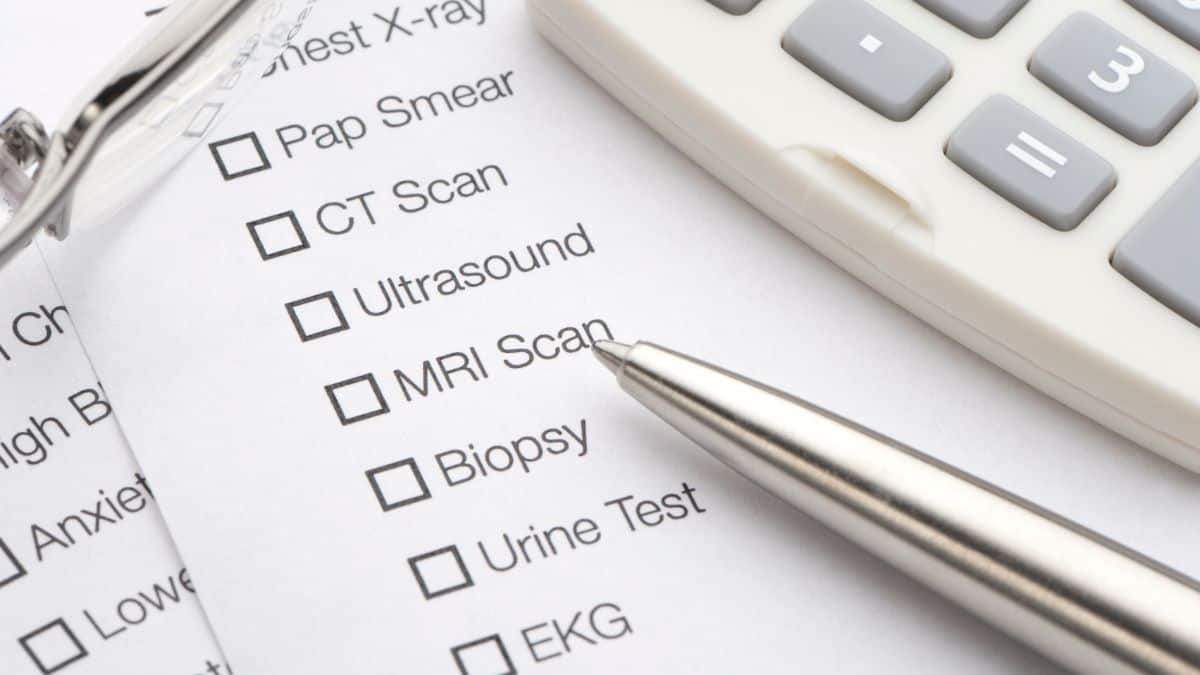
A pre-employment medical test is any screening that an employer might ask you to take as part of the hiring process before they make a decision to hire you. It could be as simple as asking you to fill out a health questionnaire, or it could involve specific diagnostic tests. It can also involve a face-to-face meeting with a doctor who specializes in pre-employment screenings. This may be in your potential employer’s office or in a location that they set up just for this. This meeting is usually performed by a company doctor who works for the employer, and it is not meant to be a full physical examination. Instead, it is focused on the specific issues that the employer wants screened for. Many employers will also ask that you disclose any current medical conditions or medications you are taking. They may ask for this information on a form that you have to sign or in a separate document that you have to sign and then return.

Why Employers May Ask for a Pre-Employment Medical
There are several reasons that an employer may ask you to take a pre-employment medical. The most common one is to identify any diseases or illnesses that you may have that could put other employees at risk for contracting them. Some diseases, such as Herpes, Hepatitis and Tuberculosis, are contagious, and some can be dangerous to others even if you are not contagious. An employer may want to know if you have any of these conditions or diseases so you can be excluded from certain aspects of the job. Other employers may ask that you take a pre-employment medical to protect their company from potential lawsuits due to their employee’s failure to disclose any previous conditions. They may ask you to take a specific test designed to identify certain conditions or diseases, such as obesity, back or knee conditions, or diabetes. They may also ask you to take a test to identify any genetic risk factors for certain diseases, such as cancer.
Which Diseases Does a Pre-employment Medical Test Look For?
There are many diseases that a pre-employment medical may look for, and the specific test will vary from employer to employer. Some of the most common include:
Bloodborne Pathogens
This test determines if your blood has any of the viruses that can be contracted by other people through contact with your blood. Some of these viruses can be contracted if you are exposed to another person’s blood through cuts or open wounds on your skin. At-risk occupations include healthcare workers, laboratory workers, first responders, and workers in industrial settings where blood could be present.
CDL Medical Clearance
This test is specific to commercial drivers who require a Commercial Drivers License (CDL). You may be asked to take this test if you intend to drive a commercial vehicle such as a truck, bus, or taxi. You may also be required to take this test if you work in a warehouse that ships commercial goods and use a forklift or other heavy machinery.
Drug Screening
Most employers are required to test new hires for drug use, but they may also ask applicants to take a drug screen before they hire you. This test can look for many different types of drugs, including prescription medications.
Genetic Testing
This can be a broad test that looks for a variety of genetic markers that could increase your risk for certain diseases. This type of test is not yet regulated by the U.S. government, so it is up to the employer to decide what diseases to test for and what results to accept.
Hepatitis B and C
The hepatitis B and C tests look for the presence of the viruses in your blood. Both of these viruses can be transmitted through the exchange of bodily fluids, such as in various sexual acts and the use of needles or other sharp instruments.
Tuberculosis
Tuberculosis is a bacterial infection that can be found in both humans and animals. Not all types of TB are contagious, but some can be spread through the exchange of bodily fluids or through inhaling infected airborne particles. This disease is most commonly found in undeveloped areas of the world, but it can be found in all areas of the U.S.
Obesity
Obesity is defined as having a body mass index (BMI) of over 30, but some employers may also use a more restrictive standard. This test is used most often in the healthcare field, where workers are at risk for back or knee injuries and must be able to physically perform their duties.
Other Diseases
Other diseases that may be tested include diabetes, heart disease, epilepsy, HIV and mental health conditions. The specific diseases that are tested will vary depending on the industry you work in and whether you will be working in an office or on the front lines.
Other Tests That May Be Part of Your Pre-employment Process
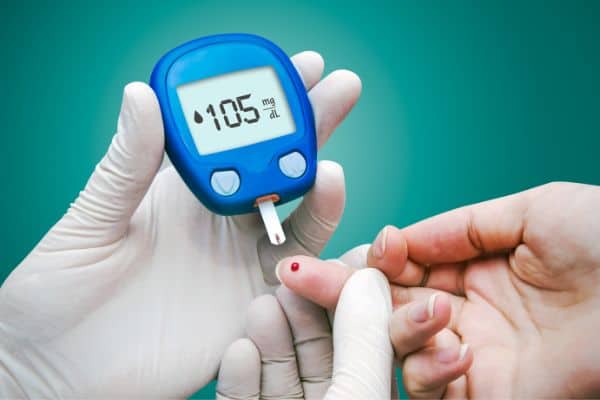
Blood Sugar Test
Employers may ask you to take a blood sugar test if you apply for a job in the healthcare industry where you would be expected to have frequent contact with patients and perform manual tasks like administering medications. This test looks for diabetes, prediabetes and abnormalities in glucose levels.
Vision Screening
Many employers will ask you for your corrected vision results on a standardized eye chart. They may also ask if you wear corrective lenses or have ever had laser eye surgery. This test is not intended to determine your ability to see, but rather your ability to discern various colours.
Face-to-Face Interview
Before you are hired for a position, you may be asked to sit down with a representative of the company and answer a variety of questions. The questions may be about your work history, hobbies, personality, interests and any other topics that the hiring manager feels are important. This is not a test, but it is another way that employers can get a feel for who you are as a person.
Conclusion
A pre-employment medical test may be as simple as asking you to fill out a health questionnaire, or it could involve specific diagnostic tests. It can also involve a face-to-face meeting with a doctor who specializes in pre-employment screenings. This may be in your potential employer’s office or in a location that they set up just for this Whatever the test is, it is important to be honest about your health history. Even if you have nothing to disclose, lying about your health could be grounds for termination. Your best bet is to be honest about your health and be prepared to answer any questions that your doctor may have.